Key points
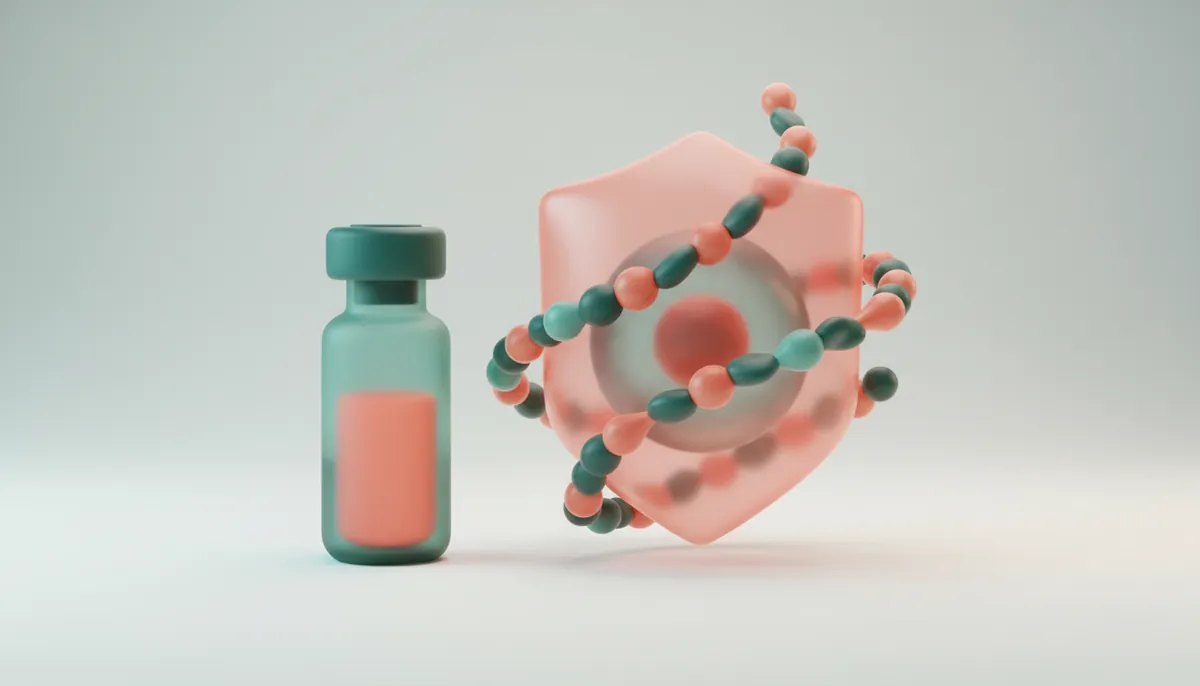
- These vaccines are made separately for each patient, based on the genetic changes in their own tumour, so that the immune system recognises the cancer cells [7].
- In high-risk melanoma removed by surgery, adding this vaccine to immunotherapy reduced relapse, and the benefit lasted up to 5 years [1, 2].
- In pancreatic cancer, in half of the patients in a small study, the vaccine produced a strong immune response, and in them the disease came back later [4, 5].
- According to the manufacturers, the large final study in melanoma has been successful, but its full results have not yet been published [3].
- These vaccines are not yet approved and are given only in clinical studies.
- Overall survival: how long patients lived.
- Progression-free survival: how long the disease did not get worse.
- Disease-free or event-free survival: how long the disease did not come back after treatment.
- Median: the number that half of patients were above and half below; for example, "a median of 10 months" means that in half of patients the disease stayed under control for at least 10 months.
- Phase 3: a large, careful study comparing a new drug with the usual treatment; the basis of most approvals.
Talk to your doctor about what this result means for you.
What is a personalised cancer vaccine and what problem does it solve?
Many patients are still at risk of the disease coming back after complete surgery for a tumour, because microscopic cancer cells may remain in the body. For example, in high-risk melanoma, many patients relapse despite adjuvant treatment with immune checkpoint inhibitors [1].
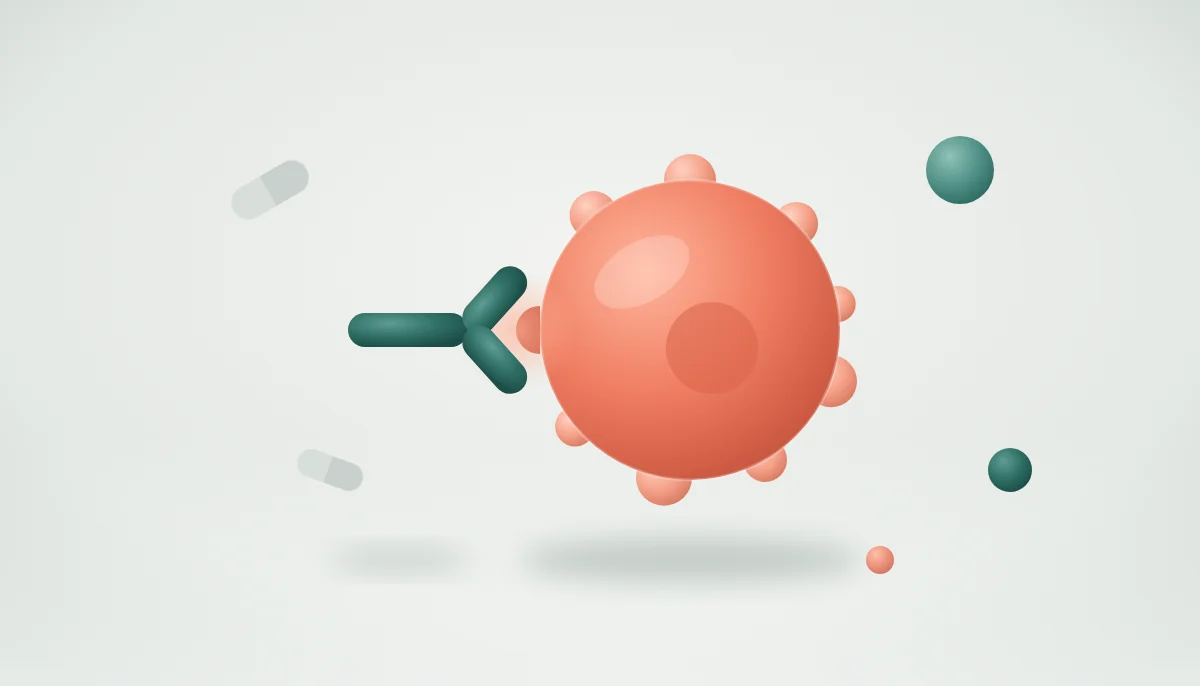
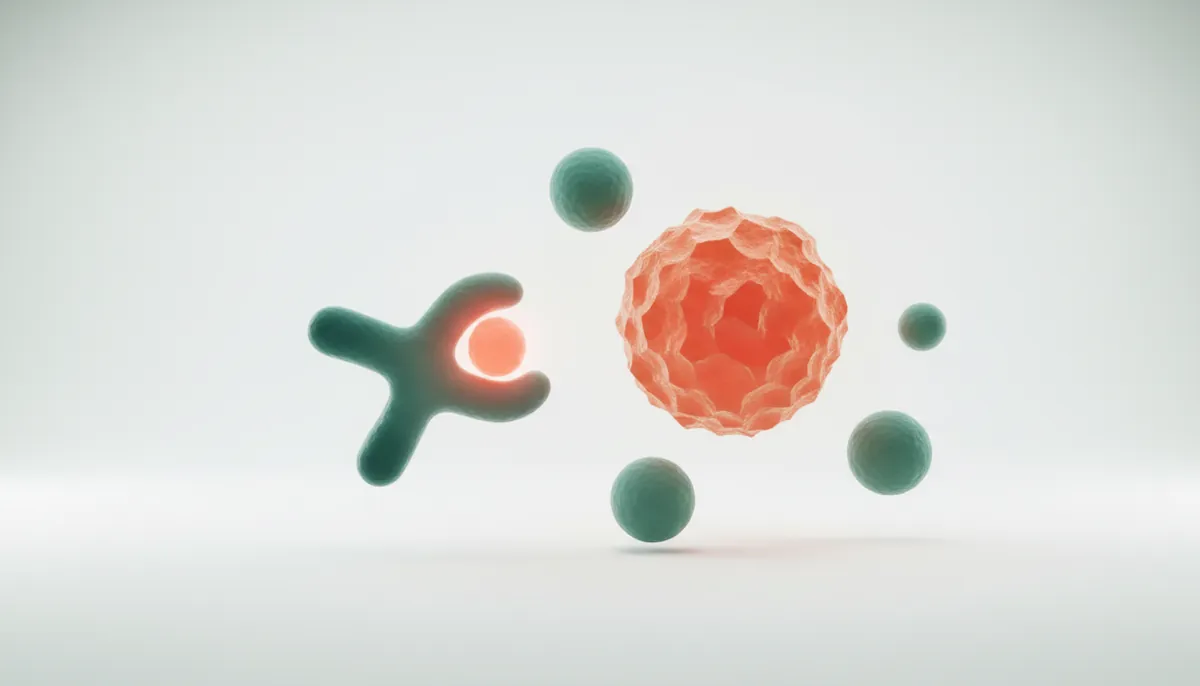
Because of genetic mutations, cancer cells make abnormal proteins, and pieces of them are displayed on the cell surface. These pieces are called neoantigens. Because neoantigens are not found in healthy cells, they are a good target for the immune system; but the pattern of mutations is almost unique in each patient. The idea of a personalised vaccine is to make, for each patient, a vaccine specifically against the neoantigens of their own tumour [7].
How are these vaccines made and how do they work?
What did the studies show?
For physicians
Melanoma: the KEYNOTE-942 trial
In this randomised phase 2b trial, 157 patients with completely resected stage IIIB to IV cutaneous melanoma were randomised 2 to 1 to the vaccine intismeran autogene (previously known as mRNA-4157 or V940) plus pembrolizumab, or to pembrolizumab alone. The vaccine was given as up to 9 intramuscular injections and pembrolizumab as up to 18 doses every three weeks [1].
With a median follow-up of about 2 years, relapse or death occurred in 22% of the combination group versus 40% of the pembrolizumab group, and 18-month relapse-free survival was 79% versus 62% [1]. In the five-year update (median follow-up 60.3 months), the reduction in the risk of relapse and distant metastasis was maintained and a positive trend in overall survival was seen, although these analyses are descriptive [2].
Pancreatic cancer: autogene cevumeran
In a phase 1 study, for patients with pancreatic ductal adenocarcinoma after surgery, the vaccine autogene cevumeran was made in real time alongside treatment and given after atezolizumab and before mFOLFIRINOX chemotherapy. The vaccine produced high-magnitude neoantigen-specific T cells in 8 of 16 patients [4]. At a median follow-up of 3.2 years, "responders" had not yet reached median relapse-free survival, whereas in non-responders it was 13.4 months [5].
Personalised mRNA vaccines are one of the most promising areas of cancer research, but they are not yet approved for routine use and are offered only in clinical studies. These vaccines are designed to prevent relapse after surgery and do not replace standard surgery, chemotherapy or immunotherapy [1, 7]. If you are interested in taking part in a clinical study, ask your treating doctor about the entry criteria.
Limitations and open questions
- The studies are not yet complete: the most important result comes from a medium-sized study of 157 patients [1]. The result of the larger study has appeared only in company announcements, and experts say we should wait for the full results [3].
- Small studies: in pancreatic and kidney cancer only a few patients have been studied [4, 6].
- Not everyone responds: in the pancreatic study only half of patients showed a good immune response [4].
- It is hard to make: it is made separately for each patient, and tumours have ways of escaping the immune system [7].
For physicians
- The evidence is still maturing: the most important published data come from a phase 2b study with 157 patients [1]. The results of the phase 3 INTerpath-001 study have so far been announced only in company press releases, and experts have urged caution until the full data are published [3].
- Small studies: the evidence in pancreatic and kidney cancer comes from phase 1 studies with 16 and 9 patients and no randomised control group [4, 6].
- Not all patients respond: in the pancreatic study only half of patients showed a significant immune response [4].
- Practical challenges: tumour heterogeneity, immune escape, the accuracy of neoantigen prediction and the complexity of individual manufacture for each patient are important obstacles to this technology [7].
Outlook
In melanoma, the benefit of this vaccine was still seen after 5 years [2], and if the full result of the larger study is also good, the first personalised cancer vaccine may be approved [3]. Studies are also under way in pancreatic and lung cancer [7]. The immune cells the vaccine trains can stay in the body for years [5]; this raises the hope that the vaccine can prevent the cancer coming back for a long time.
For physicians
Long-term follow-up of KEYNOTE-942 showed that the benefit of this vaccine was sustained over five years [2], and full publication of the phase 3 INTerpath-001 results could clarify the path to approval of the first personalised mRNA cancer vaccine [3]. At the same time, studies of this technology are under way in other cancers including pancreatic and lung cancer [7]. The finding that vaccine-induced T cells can persist in the body for years [5] strengthens the hope that such vaccines could give long-term protection against relapse.
Trial details and safety (for physicians)
Show detailsHide
| Study | Phase | Patient population | Main result |
|---|---|---|---|
| KEYNOTE-942 [1] | 2b (randomised) | 157 patients with resected stage IIIB–IV melanoma | 18-month relapse-free survival 79% versus 62%; hazard ratio 0.561 |
| KEYNOTE-942, 5-year follow-up [2] | 2b | The same population; median follow-up 60.3 months | Hazard ratio for relapse 0.510 (95% confidence interval 0.294 to 0.887); hazard ratio for distant metastasis 0.411 |
| INTerpath-001 [3] | 3 | Resected high-risk melanoma | Primary endpoint met according to the companies; numerical data not yet published |
| Autogene cevumeran in pancreatic cancer [4, 5] | 1 | 16 patients with pancreatic cancer after surgery | Immune response in 8 patients; delayed relapse in responders |
| Neoantigen vaccine in kidney cancer [6] | 1 | 9 patients with stage III–IV clear cell renal carcinoma after surgery | No relapse in any patient at a median follow-up of 40.2 months |
The results of phase 1 and 2 studies are hypothesis-generating, and definitive confirmation needs phase 3 trials.
- In KEYNOTE-942, treatment-related grade 3 or higher adverse events occurred in 25% of the combination group and 18% of the monotherapy group, and no grade 4 or 5 events related to mRNA-4157 were reported; the frequency of immune-related adverse events was similar in the two groups (36%) [1].
- The primary analysis of KEYNOTE-942 was statistically borderline (hazard ratio for relapse or death 0.561; 95% confidence interval 0.309 to 1.017; two-sided p = 0.053), and the study was open-label; so the results are regarded as hypothesis-generating [1].
- At five-year follow-up, increased T-cell receptor clonal diversity and new clones were seen in the combination group, and greater expansion of new clones was seen in patients without relapse [2].
- In the pancreatic study, about 86% of induced clones in each patient were still detectable about 3 years after vaccination; the two responders who relapsed had fewer vaccine-induced T cells [5].
Frequently asked questions
Does this vaccine prevent getting cancer?
Is an mRNA cancer vaccine available now?
Does this vaccine change the body's DNA?
No. mRNA only gives the cell a temporary instruction so that immune cells learn to recognise the tumour's specific markers [7].
What are its side effects?
In the main study, most side effects were mild to moderate, and no very serious side effect from the vaccine was seen [1].
Scientific evidence
Show detailsHide
Related studies
5 itemsIntismeran Autogene Plus Pembrolizumab Versus Pembrolizumab Alone in High-Risk Resected Melanoma: 5-Year Update of the Randomized Phase IIb KEYNOTE-942 Study
RNA neoantigen vaccines prime long-lived CD8(+) T cells in pancreatic cancer
A neoantigen vaccine generates antitumour immunity in renal cell carcinoma
Individualised neoantigen therapy mRNA-4157 (V940) plus pembrolizumab versus pembrolizumab monotherapy in resected melanoma (KEYNOTE-942): a randomised, phase 2b study
Personalized RNA neoantigen vaccines stimulate T cells in pancreatic cancer
References
7 referencesShow all references, 7 with a study cardClose the reference list
Numbers in the text, such as [1], refer to these sources. Sources with a “Study card” button are summarised in the site’s evidence library.
- 1
- 2
- 3
- 4
- 5
- 6
- 7
This page is based on reputable scientific sources and was last updated on 28 October 2026. The content of this website is for educational and informational purposes only and does not replace consultation, diagnosis or treatment by a specialist physician. Consult your treating physician about any treatment decision.
Printed from the website; the full and up-to-date version: https://drdabiri.com/en/articles/personalized-mrna-cancer-vaccines/