Key points
- With about 614,000 new cases in 2022, bladder cancer is the ninth most common cancer worldwide and the sixth most common cancer in men [1, 4].
- Smoking is the most important risk factor and accounts for about half of all cases; occupational exposure to aromatic amines and certain other chemicals is the second most important factor [3, 4].
- Blood in the urine is the most common sign and should always be investigated; the diagnosis is confirmed by cystoscopy and transurethral resection of bladder tumor (TURBT) [4].
- About three-quarters of patients have non-muscle-invasive disease at diagnosis, which is treated with TURBT and intravesical therapy (chemotherapy or BCG) according to risk group [4].
- In muscle-invasive disease, cisplatin-based chemotherapy before cystectomy, or bladder-preserving trimodality therapy, is standard [5]; in high-risk patients, nivolumab after surgery has prolonged disease-free survival [11], and newer perioperative regimens have also improved survival [8, 9, 10].
- In advanced disease, immunotherapy given with chemotherapy (nivolumab + gemcitabine-cisplatin) or after it (pembrolizumab) has prolonged overall survival [15, 18]; the newer combination of enfortumab vedotin + pembrolizumab nearly doubled median overall survival compared with chemotherapy (33.8 vs 15.9 months) [22].
What is bladder cancer?
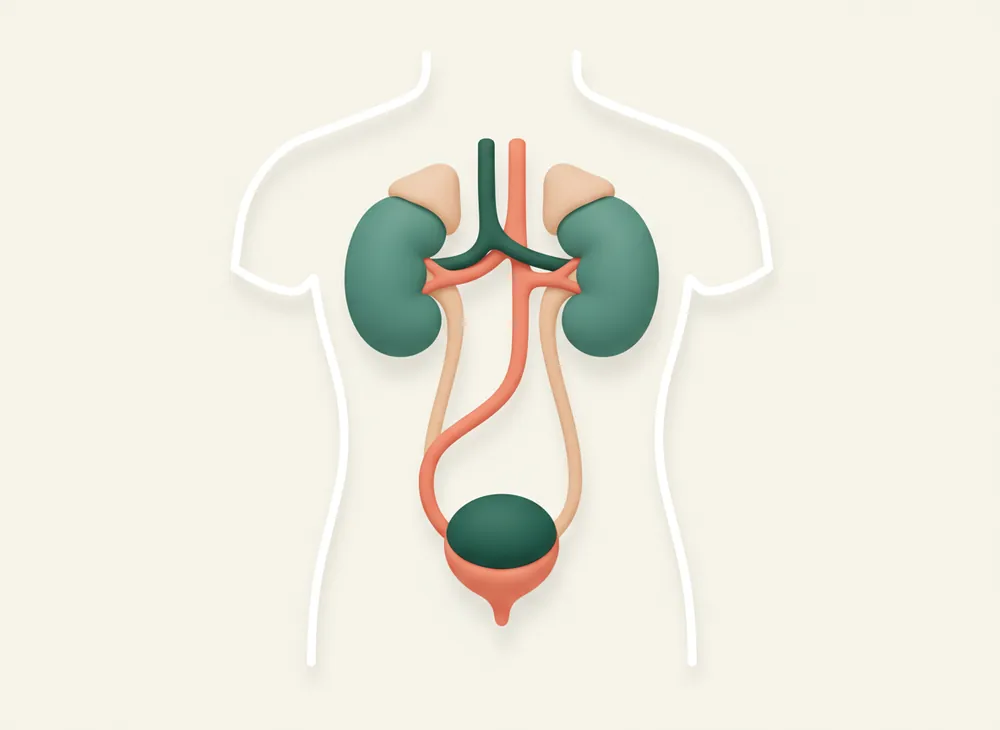
The bladder is a muscular sac in the pelvis that stores urine. Its inner surface is lined by a layer of cells called the urothelium, which is also found in the renal pelvis, the ureters and the urethra. Most bladder cancers start in these cells and are called urothelial carcinoma [2, 4].
Bladder cancer covers a wide spectrum: from low-risk, superficial tumors that often come back and need long-term follow-up with cystoscopy, to aggressive tumors that grow into the muscle wall and carry a high risk of metastasis and death [2]. That is why the most important question after diagnosis is whether or not the tumor has reached the bladder’s muscle layer.
Signs and symptoms
Blood in the urine (hematuria) is the most common finding in bladder cancer [4]. The blood may be visible to the eye (pink, red or brown urine) or detected only on a urine test; visible hematuria has been associated with a more advanced stage at diagnosis [2, 4]. Blood in the urine may appear from time to time and then disappear again.
In some patients, especially those with carcinoma in situ (CIS), irritative urinary symptoms such as frequent urination, urgency or burning on urination occur without any infection [4]. In advanced stages, pelvic or flank pain, weight loss or bone pain may develop.
When should I contact my doctor?
Contact your doctor in these situations:
- Seeing blood in your urine, even once, even if it is painless and goes away on its own. Most cases have a benign cause (such as an infection or stones), but patients with hematuria are evaluated with cystoscopy and imaging of the urinary tract [2, 4].
- Urinary symptoms such as frequent urination, urgency or burning that are not explained by an infection; these symptoms are sometimes a sign of carcinoma in situ (CIS) [4].
- During BCG treatment: a fever above 38.5 °C that lasts more than 48 hours; this needs urgent evaluation [4].
Incidence and risk factors
According to GLOBOCAN 2022 estimates, about 614,000 people worldwide were diagnosed with bladder cancer in 2022 [1]. It is the ninth most common cancer in the world and the sixth most common cancer in men, and it occurs several times more often in men than in women [1, 4]. Older age, male sex and smoking are the main factors in its development [2].
- Smoking: the most important risk factor, accounting for about 50% of cases. Aromatic amines and polycyclic aromatic hydrocarbons in cigarette smoke are excreted by the kidneys and come into contact with the cells of the bladder [4]. In a large US cohort study (more than 460,000 people), the risk of bladder cancer was about 4 times higher in current smokers (HR 4.06) and about 2 times higher in former smokers (HR 2.22) than in people who had never smoked [3]. Low-tar cigarettes do not carry a lower risk, and exposure to secondhand smoke is also associated with an increased risk [4].
- Occupational exposure: Contact with aromatic amines, polycyclic aromatic hydrocarbons and chlorinated hydrocarbons is the second most important risk factor and accounts for about 10% of cases; this exposure occurs mainly in the paint, dye, metal and petroleum product industries [4].
- Other factors: Previous pelvic radiotherapy, genetic factors and certain environmental exposures are also listed as risk factors in guidelines [4].
Diagnosis and staging
Diagnostic pathway for bladder cancer
- 1
History and examination
The doctor asks about urinary symptoms, blood in the urine, smoking history and occupational exposure [4].
- 2
Imaging
In the initial evaluation of hematuria, ultrasound of the kidneys and bladder and/or CT urography is performed. CT urography shows papillary tumors throughout the urinary tract and, once a bladder tumor has been diagnosed, is recommended in selected cases (such as tumors in the trigone region, multiple tumors or high-risk tumors) [4].
- 3
Cystoscopy
Looking inside the bladder with a thin camera (preferably flexible) passed through the urethra. Cystoscopy is the cornerstone of diagnosis, and no urine test or non-invasive test can replace it [4].
- 4
Urine cytology
Examination of the urine for cancer cells, as a complement to cystoscopy, particularly for detecting high-grade tumors and CIS [4].
- 5
TURBT and pathology
Transurethral resection of bladder tumor (TURBT) is both a diagnostic procedure and the first step of treatment. The pathologist determines the type, grade and depth of invasion of the tumor. For T1 tumors, or when no muscle is present in the specimen, a second TURBT is usually needed [4].
- 6
Staging of invasive disease
If the tumor invades the muscle, CT of the chest, abdomen and pelvis is performed to check for spread of the disease, and MRI can help with local staging [5].
| Stage | Description | General approach |
|---|---|---|
| Ta | Papillary tumor confined to the inner lining (mucosa) | Non-muscle-invasive; TURBT and intravesical therapy according to risk group [4] |
| CIS (carcinoma in situ) | Flat, high-grade tumor confined to the mucosa | Non-muscle-invasive but high risk; usually intravesical BCG [4] |
| T1 | Invasion of the tissue beneath the mucosa without reaching the muscle | Non-muscle-invasive; second TURBT and usually BCG; cystectomy is considered in very high-risk cases [4] |
| T2 to T4a, without metastasis | Invasion of the bladder muscle or beyond | Muscle-invasive; systemic therapy before surgery and radical cystectomy, or bladder-preserving trimodality therapy [5] |
| Metastatic | Spread to distant lymph nodes or other organs | Systemic therapy: platinum-based chemotherapy with or followed by immunotherapy (such as gemcitabine-cisplatin + nivolumab), or the newer combination of enfortumab vedotin + pembrolizumab [5, 14, 15] |
The term “superficial bladder cancer” is not used; instead, guidelines use the term non-muscle-invasive bladder cancer (NMIBC) [4].
Treatment of non-muscle-invasive bladder cancer (NMIBC)
About 75% of patients have disease confined to the mucosa (Ta and CIS) or the tissue beneath it (T1) at diagnosis [4]. Treatment of these patients begins with a complete TURBT; then, based on the probability of recurrence and progression, each patient is assigned to one of four risk groups (low, intermediate, high and very high). For this purpose, the EAU guideline recommends the 2021 risk group calculator (www.nmibc.net) [4]. The probability of progression to invasive disease within 5 years (without immediate BCG treatment) ranges from less than 1% in the low-risk group to about 40% in the very high-risk group [4].
BCG (bacillus Calmette–Guérin) is a type of immunotherapy that is placed directly into the bladder through a catheter and activates the immune system against cancer cells. BCG is the main treatment for intermediate- to high-risk disease [2, 4]; for selected high-risk and very high-risk patients who have not received BCG, the EAU 2026 guideline also suggests discussing the benefits and harms of adding the immunotherapy drugs sasanlimab or durvalumab to BCG [4]. In 2026, the FDA also approved the combination of durvalumab + BCG, based on the POTOMAC trial, for high-risk patients who have not previously received BCG [27, 39]. For patients with BCG-unresponsive tumors, radical cystectomy is recommended; for patients who decline surgery or are not suitable for it, bladder-preserving strategies are an option, preferably within a clinical trial [4]. One of these strategies is intravenous immunotherapy with pembrolizumab, which in the phase 2 KEYNOTE-057 trial produced a complete response at 3 months in 41% of patients with BCG-unresponsive carcinoma in situ who declined or were unsuitable for cystectomy [21].
| Risk group | Example features | 5-year probability of progression* | Treatment after TURBT |
|---|---|---|---|
| Low | Primary, solitary, low-grade Ta or T1 tumor, smaller than 3 cm, without CIS, in a patient aged 70 years or younger | 0.93% | A single immediate instillation of intravesical chemotherapy |
| Intermediate | Patients without CIS who do not fall into the other groups | 4.9% | Intravesical chemotherapy; BCG for one year as an alternative option |
| High | All high-grade T1 tumors without CIS and all cases of CIS (except very high-risk cases) | 9.6% | Full-dose BCG for 1 to 3 years; immediate cystectomy should also be considered |
| Very high | For example, high-grade T1 with CIS and additional clinical risk factors | 40% | Radical cystectomy or full-dose BCG for 1 to 3 years |
* Based on the WHO 2004/2016 grading system, in patients who had not received immediate BCG. Additional clinical risk factors: age over 70 years, multiple papillary tumors and tumor diameter greater than 3 cm [4].
Treatment of muscle-invasive bladder cancer (MIBC)
Main treatment options with curative intent
Systemic therapy before surgery
In eligible patients, cisplatin-based combination chemotherapy is recommended before cystectomy [5]. In the classic SWOG trial, neoadjuvant chemotherapy increased the rate of no residual cancer in the removed bladder from 15% to 38% [6]. Newer regimens, namely adding the immunotherapy drug durvalumab to chemotherapy or replacing chemotherapy with enfortumab vedotin + pembrolizumab, have further improved survival in phase 3 trials [8, 9, 10], and both have been approved by the FDA; since 2026, the combination of enfortumab vedotin + pembrolizumab has been approved regardless of whether the patient can receive cisplatin [24, 26, 27].
Radical cystectomy
Complete removal of the bladder together with the pelvic lymph nodes, and creation of a new route for urine (an ileal conduit or a neobladder). Cystectomy should not be delayed for more than 3 months unless neoadjuvant chemotherapy is being given, and it is best performed in experienced centers [5].
Bladder-preserving trimodality therapy
A combination of maximal TURBT, radiotherapy and radiosensitizing chemotherapy for selected patients (for example, those with a smaller solitary tumor, no extensive CIS and good bladder function). In the BC2001 trial, adding chemotherapy to radiotherapy increased 2-year locoregional disease-free survival from 54% to 67% [5, 7].
Treatment after surgery (adjuvant)
In high-risk patients after cystectomy (pT3/4 or lymph node involvement) who did not receive neoadjuvant chemotherapy, cisplatin-based chemotherapy is recommended, and in selected patients who are not suitable for it or decline it, one year of nivolumab [5, 11]. Adjuvant nivolumab has also been studied, and found beneficial, in patients who still have invasive residual disease (ypT2 or higher, or nodal involvement) after neoadjuvant chemotherapy [11]. In patients whose blood test for circulating tumor DNA (ctDNA) becomes positive after cystectomy, atezolizumab improved disease-free survival and overall survival compared with placebo, and the FDA approved it for these patients in 2026 [13, 31].
The European guideline emphasizes that radical cystectomy and bladder-preserving trimodality therapy are both curative treatment options for suitable patients, and that the choice between them should be made within a multidisciplinary team (urologist, oncologist and radiation oncologist) through shared decision-making with the patient. Patients who keep their bladder need lifelong monitoring of the bladder with cystoscopy [5].
Advanced and metastatic bladder cancer
When bladder cancer has spread to distant lymph nodes or other organs, the main treatment is drug therapy. For more than two decades, treatment at this stage relied on platinum-based chemotherapy, but it has changed fundamentally in recent years [5]:
- Immunotherapy with or after chemotherapy: Adding nivolumab to gemcitabine-cisplatin [15], avelumab maintenance in patients whose disease has not progressed on chemotherapy [16], and pembrolizumab after progression on chemotherapy [18] have prolonged patients’ survival.
- Enfortumab vedotin + pembrolizumab: Enfortumab vedotin is an antibody–drug conjugate that targets the protein nectin-4 on the surface of cancer cells [9]. This combination nearly doubled median overall survival compared with chemotherapy and is the preferred first-line option in the European guideline [5, 22].
- Targeted therapy: the oral tablet erdafitinib, for tumors with FGFR3 gene alterations that have progressed after immunotherapy [17]; for this reason, genetic testing of the tumor is recommended in advanced disease [5].
What should I do after diagnosis?
Besides causing bladder cancer, smoking also increases the risk of the disease coming back and progressing, and the European guideline advises all patients who smoke to quit [4]. In one trial, an intensive smoking cessation program at the time of TURBT surgery raised the quit rate from 6% to 36% [4]. Ask your doctor about ways to help you quit smoking.
Frequently asked questions
Frequently asked questions
Does blood in my urine mean I definitely have bladder cancer?
Is cystoscopy painful?
Diagnostic cystoscopy is usually done as an outpatient procedure with a thin camera. The European guideline recommends a flexible cystoscope for both men and women and, to reduce pain in men as the scope passes through the first part of the urethra, suggests squeezing the bag of irrigation fluid [4].
What is BCG and what are its side effects?
BCG is an immunotherapy that is placed into the bladder through a catheter and is the standard treatment for intermediate- to high-risk non-invasive disease [2]. It causes more side effects than intravesical chemotherapy: symptoms similar to a bladder infection (burning and frequent urination), and sometimes fever and a general unwell feeling that usually go away within 48 hours. Serious side effects occur in less than 5% of patients and are almost always treatable. A fever above 38.5 °C that lasts more than 48 hours needs urgent evaluation [4].
Does the bladder always have to be removed?
No. Most patients with non-invasive disease keep their bladder. In muscle-invasive disease, too, bladder-preserving trimodality therapy (tumor removal, radiotherapy and chemotherapy) is a valid option for suitable patients [4, 5, 7].
Is genetic testing of the tumor needed in bladder cancer?
In advanced disease, testing the tumor tissue for FGFR3 gene alterations is recommended, because patients with these alterations can benefit from the oral drug erdafitinib [5, 17].
How effective are the new treatments for advanced cancer?
Immunotherapy with or after chemotherapy, such as nivolumab with gemcitabine-cisplatin or pembrolizumab after chemotherapy, has prolonged patients’ survival [15, 18]. In the EV-302 trial, the newer combination of enfortumab vedotin and pembrolizumab increased median overall survival from about 16 months with chemotherapy to about 34 months [22]; this is the biggest advance in the treatment of this disease in several decades [14].
Recent evidence and advances (for physicians)
For physicians
High-risk NMIBC: durvalumab + BCG
POTOMAC: In this three-arm phase 3 trial (1018 patients with BCG-naive high-risk NMIBC after TURBT), the primary comparison was one year of intravenous durvalumab plus induction and maintenance BCG versus induction and maintenance BCG alone. At a median follow-up of 60.7 months, adding durvalumab reduced the risk of high-risk disease recurrence or death by 32% (HR 0.68; 95% CI 0.50–0.93); grade 3 or 4 treatment-related adverse events occurred in 21% vs 4% [39]. In May 2026, the FDA approved this combination for adults with BCG-naive high-risk NMIBC [27].
Perioperative therapy (MIBC)
VESPER: In the overall perioperative population, the difference in 5-year overall survival (OS) between dd-MVAC and gemcitabine-cisplatin was not significant (64% vs 56%; HR 0.79); the benefit was seen in the neoadjuvant subgroup (89% of patients) [19].
NIAGARA (1063 cisplatin-eligible patients): Adding durvalumab to gemcitabine-cisplatin before surgery and continuing it after cystectomy increased 2-year event-free survival (EFS) from 59.8% to 67.8% (HR 0.68) and 2-year OS from 75.2% to 82.2% (HR 0.75) [8]. The EFS primary end point also included failure to undergo cystectomy; grade 3 or 4 treatment-related adverse events were similar in the two groups (40.6% vs 40.9%), and cystectomy rates were 88.0% vs 83.2%. The separate contributions of the neoadjuvant and adjuvant components of durvalumab cannot be distinguished [8].
KEYNOTE-905/EV-303 (cisplatin-ineligible or declining cisplatin): Enfortumab vedotin + pembrolizumab before and after surgery, compared with surgery alone, improved 2-year EFS (74.7% vs 39.4%) and 2-year OS (79.7% vs 63.1%; HR for death 0.50); the pathologic complete response rate was 57.1% vs 8.6% [9].
EV-304 (cisplatin-eligible): Compared with neoadjuvant cisplatin-gemcitabine, the same combination increased 2-year EFS (79.4% vs 66.2%) and 2-year OS (86.9% vs 81.3%; HR for death 0.65), with a pathologic complete response rate of 55.8% vs 32.5%, but grade 3 or higher adverse events were more frequent (75.7% vs 67.2%) [10]. The control group did not receive perioperative immunotherapy; therefore, superiority over the NIAGARA regimen has not been demonstrated, and in the absence of a head-to-head comparison the relative place of the two regimens is unclear [8, 10].
FDA approval: Enfortumab vedotin + pembrolizumab before and after cystectomy was approved in November 2025 for cisplatin-ineligible patients [40] and in July 2026, based on EV-304, regardless of cisplatin status [24, 26]; durvalumab with gemcitabine-cisplatin before surgery, followed by durvalumab alone after cystectomy, is also in the FDA label [27, 38].
Treatment after surgery (adjuvant)
CheckMate 274: One year of nivolumab after radical surgery in high-risk patients improved disease-free survival [11], and this benefit was sustained with a minimum follow-up of 5 years; median OS was 75.0 vs 50.1 months, but this difference was not statistically significant (HR 0.83) [12]. Patients with upper urinary tract tumors were also enrolled [11]. In a retrospective ctDNA analysis, the hazard ratio for disease-free survival with nivolumab vs placebo was 0.35 in ctDNA-positive patients and 0.99 in ctDNA-negative patients [12].
AMBASSADOR: One year of pembrolizumab after surgery, compared with observation (no placebo), increased median disease-free survival from 14.2 to 29.6 months (HR 0.73), at the cost of more grade 3 or higher adverse events (50.6% vs 31.6%); OS data were not presented in the primary report [20].
In cisplatin-ineligible patients, neoadjuvant non-cisplatin chemotherapy is not recommended [5]; in these patients, cystectomy followed by adjuvant nivolumab if high-risk pathologic features are found is the guideline-based approach [5, 11].
IMvigor011: In patients whose circulating tumor DNA (ctDNA) became positive after cystectomy, atezolizumab compared with placebo improved disease-free survival (median 9.9 vs 4.8 months) and overall survival (32.8 vs 21.1 months); this study has opened the way for ctDNA-guided adjuvant therapy [13]. In May 2026, the FDA approved single-agent atezolizumab as adjuvant treatment of MIBC after cystectomy in patients with ctDNA-defined molecular residual disease, as detected by an FDA-authorized test [31].
Advanced and metastatic disease
- CheckMate 901: Adding nivolumab to gemcitabine-cisplatin in cisplatin-eligible patients improved OS [15].
- EV-302 (886 patients): Enfortumab vedotin + pembrolizumab, compared with platinum-based chemotherapy, improved median progression-free survival (12.5 vs 6.3 months) and median OS (31.5 vs 16.1 months); grade 3 or higher treatment-related adverse events occurred in 55.9% vs 69.5% [14]. The survival benefit was maintained at 2.5-year follow-up [22]. This combination is the preferred first-line option in the EAU 2025 guideline [5].
- JAVELIN Bladder 100: In patients without progression on first-line platinum-based chemotherapy, avelumab maintenance increased median OS from 14.3 to 21.4 months [16], and with more than 2 years of follow-up the survival benefit was maintained (HR 0.76) [23].
- KEYNOTE-045: After progression on platinum-based chemotherapy, pembrolizumab compared with second-line chemotherapy increased median OS from 7.4 to 10.3 months (HR 0.73), with fewer grade 3 or higher treatment-related adverse events (15.0% vs 49.4%) [18].
- THOR: In patients with FGFR3/2 alterations whose disease had progressed after immunotherapy, erdafitinib compared with chemotherapy increased median OS from 7.8 to 12.1 months (HR 0.64) [17]; for this reason, tumor genomic testing for FGFR3 is recommended in advanced disease [5].
| Clinical setting | Option | Key trial |
|---|---|---|
| First line, cisplatin-eligible | Cisplatin/gemcitabine + nivolumab (strong recommendation; listed in the guideline as an alternative to EV + pembrolizumab) | CheckMate 901 [15] |
| First line, eligible for combination therapy | Enfortumab vedotin + pembrolizumab (guideline-preferred option; strong recommendation) | EV-302 [14, 22] |
| First line, platinum-based chemotherapy | Platinum + gemcitabine chemotherapy, followed by avelumab maintenance in patients with at least stable disease (strong recommendation; listed in the guideline as an alternative to EV + pembrolizumab) | JAVELIN Bladder 100 [16, 23] |
| After platinum-based chemotherapy, no prior immunotherapy | Pembrolizumab | KEYNOTE-045 [18] |
| After platinum-based chemotherapy ± immunotherapy, with a targetable FGFR alteration and prior checkpoint inhibitor therapy | Erdafitinib (strong recommendation) | THOR [17] |
| After EV + checkpoint inhibitor | Platinum-based chemotherapy; erdafitinib if an FGFR alteration is present (weak recommendation) | Limited evidence [5] |
EV = enfortumab vedotin. The EAU 2025 guideline also considers trastuzumab deruxtecan for HER2 overexpression (IHC 3+) in later lines [5].
Neoadjuvant immunotherapy alone (without chemotherapy or enfortumab vedotin) before cystectomy is not yet a standard treatment, and the EAU guideline recommends it only within a clinical trial [5]. The approved use of ctDNA for adjuvant treatment decisions is atezolizumab in ctDNA-positive patients identified with an FDA-authorized test (IMvigor011) [13, 31]; however, the ctDNA analyses in CheckMate 274 are exploratory and require confirmation [12].
Treatment regimens and dosing (for physicians)
Treatment regimens and doses: index18 regimens
For all regimens in this section that include these drugs:
- PD-1/PD-L1 inhibitors (nivolumab, pembrolizumab, durvalumab, atezolizumab, avelumab): Dose reduction is not recommended; immune-mediated adverse reactions are managed by withholding or permanently discontinuing the drug and with corticosteroids according to the label, and liver enzymes, creatinine and thyroid function are monitored at baseline and periodically [24, 25, 27, 28, 31].
- Cisplatin: requires pretreatment hydration, potent antiemetics and monitoring of renal function, electrolytes and hearing [37]. Cisplatin ineligibility per the label: creatinine clearance less than 60 mL/min, ECOG 2 or higher, grade 2 or higher hearing loss or peripheral neuropathy, or class III or higher heart failure [26].
- Enfortumab vedotin: Boxed warning: severe skin reactions (SJS/TEN); grade 3 rash: withhold; confirmed SJS/TEN, grade 4 or recurrent grade 3: permanently discontinue. Blood glucose above 250 mg/dL: withhold. Grade 2 neuropathy: withhold until grade 1 or lower; grade 3 or higher: permanently discontinue. Grade 3 or higher pneumonitis: permanently discontinue. Enfortumab vedotin dose reductions: 1, 0.75 and 0.5 mg/kg. Do not use in moderate or severe hepatic impairment. Infuse enfortumab vedotin before pembrolizumab [26].
For physicians
Non-muscle-invasive bladder cancer (NMIBC)
Single immediate intravesical instillation of gemcitabine (SWOG S0337)
Low-risk NMIBC (in S0337: suspected low-grade tumor); the EAU guideline recommends a single immediate instillation of intravesical chemotherapy after TURBT in the low-risk groupCycle length: Single instillation
Low-risk NMIBC (in S0337: suspected low-grade tumor); the EAU guideline recommends a single immediate instillation of intravesical chemotherapy after TURBT in the low-risk group
Before prescribing: Shared safety points| Drug | Dose | Route | Schedule |
|---|---|---|---|
| Gemcitabine | 2 g in 100 mL saline | Intravesical via catheter; retained for 1 hour | Single instillation, immediately after TURBT |
Intravesical BCG: induction and maintenance
Intermediate-risk NMIBC (alternative to intravesical chemotherapy; 1 year) and high- or very high-risk NMIBC (1 to 3 years) after complete TURBTCycle length: Per schedule
Intermediate-risk NMIBC (alternative to intravesical chemotherapy; 1 year) and high- or very high-risk NMIBC (1 to 3 years) after complete TURBT
Before prescribing: Shared safety points| Drug | Dose | Route | Schedule |
|---|---|---|---|
| Induction | |||
| BCG (TICE strain) | 1 vial (1 to 8 × 10⁸ colony-forming units) in 50 mL preservative-free saline | Intravesical by gravity flow via catheter; retained for 2 hours | Once weekly for 6 weeks |
| Maintenance (SWOG schedule) | |||
| BCG | Same full dose | Intravesical | Once weekly for 3 weeks at months 3, 6, 12, 18, 24, 30 and 36 after the start of induction |
Dose and preparation per the FDA label (TICE BCG): start treatment 7 to 14 days after TURBT, biopsy or traumatic catheterization; the patient should not drink fluids for 4 hours before treatment and should empty the bladder; postpone in case of fever, urinary tract infection or gross hematuria. Contraindications: congenital or acquired immunodeficiency (including immunosuppressive drugs) and active tuberculosis. Interchangeability of different BCG strains has not been established [32]. Maintenance schedule from the SWOG trial, which increased median recurrence-free survival from 35.7 to 76.8 months (in that trial, BCG was also given percutaneously) [34]. Treatment duration per EAU; a fever above 38.5 °C lasting more than 48 hours requires urgent evaluation [4].
Durvalumab + BCG (POTOMAC; FDA label)
BCG-naive high-risk NMIBC; EAU 2026 suggests discussing the benefits and harms of adding immunotherapy to BCG in selected patientsEach drug’s schedule in the table
BCG-naive high-risk NMIBC; EAU 2026 suggests discussing the benefits and harms of adding immunotherapy to BCG in selected patients
Before prescribing: Shared safety points| Drug | Dose | Route | Schedule |
|---|---|---|---|
| Durvalumab | 1500 mg (body weight less than 30 kg: 20 mg/kg) | IV; before BCG when given on the same day | Every 4 weeks, 13 cycles |
| BCG | Full dose | Intravesical | Induction weekly ×6, then maintenance weekly ×3 at months 3, 6, 12, 18 and 24 |
Pembrolizumab in BCG-unresponsive NMIBC (KEYNOTE-057)
High-risk BCG-unresponsive carcinoma in situ with or without papillary tumors, in patients unsuitable for or declining cystectomy; ECOG 0 to 2
High-risk BCG-unresponsive carcinoma in situ with or without papillary tumors, in patients unsuitable for or declining cystectomy; ECOG 0 to 2
Before prescribing: Shared safety points| Drug | Dose | Route | Schedule |
|---|---|---|---|
| Pembrolizumab | 200 mg (or 400 mg) | IV infusion over 30 minutes | Day 1 every 3 weeks (400 mg: every 6 weeks) |
Per the FDA label and the KEYNOTE-057 trial [21, 24]. In BCG-unresponsive disease, radical cystectomy is the main EAU recommendation [4].
Evidence: KEYNOTE-057 (2021)
Doses follow the trial protocol, guideline or official drug label (source given in the notes of each regimen). Before prescribing, check blood counts, renal and hepatic function, drug interactions and the patient’s condition, and adjust the dose according to the drug label.
Muscle-invasive cancer (MIBC): perioperative therapy and bladder preservation
Neoadjuvant dd-MVAC (VESPER)
Cisplatin-eligible MIBC cT2 to T4a N0 M0 before cystectomy (in VESPER: creatinine clearance ≥40 mL/min, WHO performance status 0 to 1, left ventricular ejection fraction ≥50%)Cycle length: Every 14 days
Cisplatin-eligible MIBC cT2 to T4a N0 M0 before cystectomy (in VESPER: creatinine clearance ≥40 mL/min, WHO performance status 0 to 1, left ventricular ejection fraction ≥50%)
Before prescribing: Shared safety points| Drug | Dose | Route | Schedule |
|---|---|---|---|
| Methotrexate | 30 mg/m² | IV | Day 1 |
| Vinblastine | 3 mg/m² | IV | Day 2 |
| Doxorubicin | 30 mg/m² | IV | Day 2 |
| Cisplatin | 70 mg/m² | IV | Day 2 |
| G-CSF | — | — | Days 3 and 9 (per the trial registration) |
Evidence: VESPER (2024)
Neoadjuvant gemcitabine-cisplatin (GC; VESPER)
Cisplatin-eligible MIBC before cystectomy; adjuvant cisplatin-based chemotherapy is also recommended for pT3/4 or N+ disease without prior neoadjuvant therapyCycle length: Every 21 days
Cisplatin-eligible MIBC before cystectomy; adjuvant cisplatin-based chemotherapy is also recommended for pT3/4 or N+ disease without prior neoadjuvant therapy
Before prescribing: Shared safety points| Drug | Dose | Route | Schedule |
|---|---|---|---|
| Gemcitabine | 1250 mg/m² | IV | Days 1 and 8 |
| Cisplatin | 70 mg/m² | IV | Day 1 |
Doses from the VESPER trial registration [35]; place in therapy per EAU [5]. In cisplatin-ineligible patients, neoadjuvant non-cisplatin chemotherapy is not recommended [5].
Evidence: VESPER (2024)
Perioperative durvalumab + GC (NIAGARA)
Cisplatin-eligible MIBC cT2 to T4a N0/1 M0 (creatinine clearance ≥40 mL/min), ECOG 0 to 1, candidate for cystectomy
Cisplatin-eligible MIBC cT2 to T4a N0/1 M0 (creatinine clearance ≥40 mL/min), ECOG 0 to 1, candidate for cystectomy
Before prescribing: Shared safety points| Drug | Dose | Route | Schedule |
|---|---|---|---|
| Neoadjuvant: 4 cycles of 21 days | |||
| Durvalumab | 1500 mg | IV | Day 1 |
| Cisplatin | 70 mg/m² (creatinine clearance 40 to less than 60: 35 mg/m² on Days 1 and 8) | IV | Day 1 |
| Gemcitabine | 1000 mg/m² | IV | Days 1 and 8 |
| Adjuvant after cystectomy | |||
| Durvalumab | 1500 mg (body weight less than 30 kg: 20 mg/kg) | IV | Every 4 weeks, up to 8 cycles |
Evidence: NIAGARA (2024)
Perioperative enfortumab vedotin + pembrolizumab (EV-304 and KEYNOTE-905)
MIBC (cT2 to T4a N0 or T1 to T4a N1, M0), candidate for cystectomy and pelvic lymph node dissection; per the FDA label, in both cisplatin-eligible and cisplatin-ineligible patientsEach drug’s schedule in the table
MIBC (cT2 to T4a N0 or T1 to T4a N1, M0), candidate for cystectomy and pelvic lymph node dissection; per the FDA label, in both cisplatin-eligible and cisplatin-ineligible patients
Before prescribing: Shared safety points| Drug | Dose | Route | Schedule |
|---|---|---|---|
| Cisplatin-eligible (EV-304) | |||
| Enfortumab vedotin | 1.25 mg/kg (maximum 125 mg) | IV over 30 minutes | Days 1 and 8; 4 cycles before and 5 cycles after surgery |
| Pembrolizumab | 200 mg (or 400 mg every 6 weeks) | IV over 30 minutes | Day 1; 4 doses before (or 2 doses of 400 mg) and 13 doses after surgery (or 7 doses of 400 mg) |
| Cisplatin-ineligible or declining cisplatin (KEYNOTE-905) | |||
| Enfortumab vedotin | 1.25 mg/kg (maximum 125 mg) | IV over 30 minutes | Days 1 and 8; 3 cycles before and 6 cycles after surgery |
| Pembrolizumab | 200 mg | IV over 30 minutes | Day 1; 3 doses before and 14 doses after surgery (after surgery, alternatively 7 doses of 400 mg every 6 weeks) |
Evidence: KEYNOTE-905/EV-303 (2026), EV-304 (KEYNOTE-B15) (2026)
Bladder-preserving chemoradiotherapy: fluorouracil + mitomycin C (BC2001)
MIBC (T2 to T4a N0 M0) selected for trimodality therapy after maximal TURBT; in BC2001: WHO performance status 0 to 2, GFR greater than 25 mL/min, no prior pelvic radiotherapy or inflammatory bowel disease
MIBC (T2 to T4a N0 M0) selected for trimodality therapy after maximal TURBT; in BC2001: WHO performance status 0 to 2, GFR greater than 25 mL/min, no prior pelvic radiotherapy or inflammatory bowel disease
Before prescribing: Shared safety points| Drug | Dose | Route | Schedule |
|---|---|---|---|
| Fluorouracil | 500 mg/m² per day | Continuous IV infusion | Radiotherapy fractions 1 to 5 and 16 to 20 |
| Mitomycin C | 12 mg/m² | IV | Day 1 |
| External-beam radiotherapy to the bladder | Per institutional protocol | Daily, 5 days a week | For 4 or 6.5 weeks |
BC2001 trial regimen [7, 36]; the total radiation dose is not stated in the abstract or the trial registration. Metronidazole given concurrently with fluorouracil was prohibited in the trial [36].
Evidence: BC2001 (2012)
Before prescribing, check each dose against the drug label, laboratory tests and the patient’s condition.
Muscle-invasive cancer (MIBC): after cystectomy (adjuvant)
Adjuvant nivolumab (CheckMate 274)
High-risk invasive urothelial carcinoma within 120 days after radical surgery: ypT2 to ypT4a or ypN+ after neoadjuvant cisplatin; or pT3 to pT4a or pN+ without it in patients ineligible for or declining adjuvant cisplatin
High-risk invasive urothelial carcinoma within 120 days after radical surgery: ypT2 to ypT4a or ypN+ after neoadjuvant cisplatin; or pT3 to pT4a or pN+ without it in patients ineligible for or declining adjuvant cisplatin
Before prescribing: Shared safety points| Drug | Dose | Route | Schedule |
|---|---|---|---|
| Nivolumab | 240 mg (or 480 mg) | IV infusion over 30 minutes | Every 2 weeks (480 mg: every 4 weeks) |
Per the FDA label and the CheckMate 274 trial [11, 25]. FDA approval applies regardless of PD-L1 expression, whereas EMA approval is limited to tumor-cell PD-L1 expression of 1% or higher [5, 11].
Evidence: CheckMate 274 (2026), CheckMate 274 (2021)
ctDNA-guided adjuvant atezolizumab (IMvigor011)
MIBC after cystectomy with positive ctDNA (molecular residual disease) on serial testing 6 weeks to 1 year after surgery, using an FDA-authorized test; in the trial, ypT2 to T4a/ypN+ after neoadjuvant therapy or pT2 to T4a/pN+ without itCycle length: 14, 21 or 28 days
MIBC after cystectomy with positive ctDNA (molecular residual disease) on serial testing 6 weeks to 1 year after surgery, using an FDA-authorized test; in the trial, ypT2 to T4a/ypN+ after neoadjuvant therapy or pT2 to T4a/pN+ without it
Before prescribing: Shared safety points| Drug | Dose | Route | Schedule |
|---|---|---|---|
| Atezolizumab | 840 mg every 2 weeks, 1200 mg every 3 weeks or 1680 mg every 4 weeks | IV; first infusion over 60 minutes, subsequent infusions over 30 minutes if tolerated | According to the selected dose (trial: 1680 mg on Day 1 every 28 days) |
Evidence: IMvigor011 (2025)
Adjuvant pembrolizumab (AMBASSADOR)
High-risk MIUC after radical surgery (≥ypT2 or N+ or positive margins after neoadjuvant therapy; or ≥pT3 or pN+ in patients ineligible for or declining cisplatin); this use is not included in the pembrolizumab FDA labelCycle length: Every 21 days
High-risk MIUC after radical surgery (≥ypT2 or N+ or positive margins after neoadjuvant therapy; or ≥pT3 or pN+ in patients ineligible for or declining cisplatin); this use is not included in the pembrolizumab FDA label
Before prescribing: Shared safety points| Drug | Dose | Route | Schedule |
|---|---|---|---|
| Pembrolizumab | 200 mg | IV over 30 minutes | Day 1 every 21 days |
AMBASSADOR trial regimen [20].
Evidence: AMBASSADOR (2025)
Before prescribing, check each dose against the drug label, laboratory tests and the patient’s condition.
Advanced or metastatic disease: first line
Nivolumab + gemcitabine-cisplatin (CheckMate 901)
First line, cisplatin-eligible (GFR ≥60 mL/min), ECOG 0 to 1; recurrence at least 12 months after perioperative chemotherapy
First line, cisplatin-eligible (GFR ≥60 mL/min), ECOG 0 to 1; recurrence at least 12 months after perioperative chemotherapy
Before prescribing: Shared safety points| Drug | Dose | Route | Schedule |
|---|---|---|---|
| Combination: up to 6 cycles of 21 days | |||
| Nivolumab | 360 mg | IV over 30 minutes | Day 1 |
| Cisplatin | 70 mg/m² | IV | Day 1 |
| Gemcitabine | 1000 mg/m² | IV | Days 1 and 8 |
| Maintenance | |||
| Nivolumab | 480 mg (or 240 mg every 2 weeks) | IV over 30 minutes | Every 4 weeks |
Per the FDA label and the trial [15, 25]. In the trial, patients who discontinued only cisplatin received gemcitabine-carboplatin for the remaining cycles [15].
Evidence: CheckMate 901 (2023)
Enfortumab vedotin + pembrolizumab (EV-302)
First-line locally advanced or metastatic urothelial carcinoma, regardless of cisplatin eligibility; in EV-302: ECOG 0 to 2; grade 2 or higher neuropathy and uncontrolled diabetes (HbA1c ≥8%) were exclusion criteriaCycle length: Every 21 days
First-line locally advanced or metastatic urothelial carcinoma, regardless of cisplatin eligibility; in EV-302: ECOG 0 to 2; grade 2 or higher neuropathy and uncontrolled diabetes (HbA1c ≥8%) were exclusion criteria
Before prescribing: Shared safety points| Drug | Dose | Route | Schedule |
|---|---|---|---|
| Enfortumab vedotin | 1.25 mg/kg (maximum 125 mg) | IV over 30 minutes | Days 1 and 8 |
| Pembrolizumab | 200 mg (or 400 mg every 6 weeks) | IV over 30 minutes; after enfortumab vedotin | Day 1 |
Per the FDA label and the trial [14, 22, 24, 26]. In EV-302, enfortumab vedotin was discontinued because of adverse reactions in 35% of patients (most commonly peripheral neuropathy, 15%) [26].
Evidence: EV-302 (2025), EV-302 (KEYNOTE-A39) (2024)
Gemcitabine + cisplatin or carboplatin, followed by avelumab maintenance (JAVELIN Bladder 100)
First-line platinum-based chemotherapy (carboplatin if cisplatin-ineligible); avelumab in patients without progression after 4 to 6 cycles (response or stable disease)
First-line platinum-based chemotherapy (carboplatin if cisplatin-ineligible); avelumab in patients without progression after 4 to 6 cycles (response or stable disease)
Before prescribing: Shared safety points| Drug | Dose | Route | Schedule |
|---|---|---|---|
| Chemotherapy: 4 to 6 cycles of 21 days | |||
| Gemcitabine | 1000 mg/m² | IV | Days 1 and 8 |
| Cisplatin or carboplatin | Cisplatin 70 mg/m² or carboplatin AUC 4.5 or 5 | IV | Day 1 |
| Maintenance | |||
| Avelumab | 800 mg (10 mg/kg in the trial) | IV over 60 minutes | Every 2 weeks; start 4 to 10 weeks after the last dose of chemotherapy |
Chemotherapy doses per the EV-302 control arm in the FDA label [26]; avelumab per the label and the trial [16, 23, 28]. Avelumab premedication: an antihistamine and acetaminophen before the first 4 infusions, then as needed [28].
Evidence: JAVELIN Bladder 100 (2023), JAVELIN Bladder 100 (2020)
Before prescribing, check each dose against the drug label, laboratory tests and the patient’s condition.
Advanced or metastatic disease: after first line
Pembrolizumab after platinum-based chemotherapy (KEYNOTE-045)
Progression after platinum-based chemotherapy or recurrence within 12 months of perioperative platinum, no prior immunotherapy; ECOG 0 to 2
Progression after platinum-based chemotherapy or recurrence within 12 months of perioperative platinum, no prior immunotherapy; ECOG 0 to 2
Before prescribing: Shared safety points| Drug | Dose | Route | Schedule |
|---|---|---|---|
| Pembrolizumab | 200 mg (or 400 mg) | IV over 30 minutes | Day 1 every 3 weeks (400 mg: every 6 weeks) |
Evidence: KEYNOTE-045 (2017)
Erdafitinib (THOR)
Susceptible FGFR3 alterations (approved companion diagnostic) after at least one line of systemic therapy; in THOR, after a PD-1/PD-L1 inhibitor; ECOG 0 to 2Cycle length: Continuous
Susceptible FGFR3 alterations (approved companion diagnostic) after at least one line of systemic therapy; in THOR, after a PD-1/PD-L1 inhibitor; ECOG 0 to 2
Before prescribing: Shared safety points| Drug | Dose | Route | Schedule |
|---|---|---|---|
| Erdafitinib | 8 mg once daily; increase to 9 mg on Days 14 to 21 if serum phosphate is less than 9.0 mg/dL | Oral, with or without food; swallow whole | Daily, continuous |
Per the FDA label and the trial [17, 29]. Increase the dose to 9 mg only in the absence of ocular adverse reactions or grade 2 or higher adverse reactions; monitor phosphate monthly. Ophthalmologic examination monthly during the first 4 months, then every 3 months, and urgently for any visual symptom (serous retinal detachment). Dose reductions: 9, 8, 6, 5 and 4 mg [29].
Evidence: THOR (2023)
Trastuzumab deruxtecan for high HER2 expression
Metastatic or unresectable solid tumor with HER2 IHC 3+ after prior systemic therapy and with no satisfactory alternative options (FDA accelerated approval); EAU considers it in later linesCycle length: Every 21 days
Metastatic or unresectable solid tumor with HER2 IHC 3+ after prior systemic therapy and with no satisfactory alternative options (FDA accelerated approval); EAU considers it in later lines
Before prescribing: Shared safety points| Drug | Dose | Route | Schedule |
|---|---|---|---|
| Trastuzumab deruxtecan | 5.4 mg/kg | IV | Day 1 every 3 weeks |
Before prescribing, check each dose against the drug label, laboratory tests and the patient’s condition.
Scientific evidence
Key studies
18 itemsAdjuvant nivolumab versus placebo for high-risk muscle-invasive urothelial carcinoma: 5-year efficacy and ctDNA results from CheckMate 274
Adjuvant Nivolumab versus Placebo in Muscle-Invasive Urothelial Carcinoma
Perioperative dose-dense methotrexate, vinblastine, doxorubicin, and cisplatin in muscle-invasive bladder cancer (VESPER): survival endpoints at 5 years in an open-label, randomised, phase 3 study
Neoadjuvant Chemotherapy plus Cystectomy Compared with Cystectomy Alone for Locally Advanced Bladder Cancer
Radiotherapy with or without Chemotherapy in Muscle-Invasive Bladder Cancer
Adjuvant Pembrolizumab versus Observation in Muscle-Invasive Urothelial Carcinoma
Nivolumab plus Gemcitabine-Cisplatin in Advanced Urothelial Carcinoma
Pembrolizumab as Second-Line Therapy for Advanced Urothelial Carcinoma
Pembrolizumab monotherapy for the treatment of high-risk non-muscle-invasive bladder cancer unresponsive to BCG (KEYNOTE-057): an open-label, single-arm, multicentre, phase 2 study
Enfortumab vedotin plus pembrolizumab in untreated locally advanced or metastatic urothelial carcinoma: 2.5-year median follow-up of the phase III EV-302/KEYNOTE-A39 trial
Avelumab First-Line Maintenance for Advanced Urothelial Carcinoma: Results From the JAVELIN Bladder 100 Trial After ≥2 Years of Follow-Up
Perioperative Enfortumab Vedotin and Pembrolizumab in Bladder Cancer
Enfortumab Vedotin and Pembrolizumab in Cisplatin-Eligible Bladder Cancer
Erdafitinib or Chemotherapy in Advanced or Metastatic Urothelial Carcinoma
ctDNA-Guided Adjuvant Atezolizumab in Muscle-Invasive Bladder Cancer
Perioperative Durvalumab with Neoadjuvant Chemotherapy in Operable Bladder Cancer
Enfortumab Vedotin and Pembrolizumab in Untreated Advanced Urothelial Cancer
Avelumab Maintenance Therapy for Advanced or Metastatic Urothelial Carcinoma
Clinical guidelines
2 itemsEAU Guidelines on Nonmuscle-invasive Bladder Cancer (TaT1 and CIS) - A Summary of the 2026 Guidelines Update
European Association of Urology Guidelines on Muscle-invasive and Metastatic Bladder Cancer: Summary of the 2025 Guidelines
References
40 referencesShow all references, 23 with a study cardClose the reference list
Numbers in the text, such as [1], refer to these sources. Sources with a “Study card” button are summarised in the site’s evidence library.
- 1
- 2
- 3Association between smoking and risk of bladder cancer among men and women
- 4
- 5
- 6Neoadjuvant chemotherapy plus cystectomy compared with cystectomy alone for locally advanced bladder cancer
- 7
- 8
- 9
- 10
- 11
- 12
- 13
- 14
- 15
- 16
- 17
- 18
- 19
- 20Adjuvant Pembrolizumab versus Observation in Muscle-Invasive Urothelial Carcinoma
- 21Pembrolizumab monotherapy for the treatment of high-risk non-muscle-invasive bladder cancer unresponsive to BCG (KEYNOTE-057): an open-label, single-arm, multicentre, phase 2 study
- 22
- 23
- 24
- 25
- 26
- 27
- 28
- 29
- 30
- 31
- 32TICE BCG (BCG live), for intravesical use — Prescribing Information
- 33Effect of Intravesical Instillation of Gemcitabine vs Saline Immediately Following Resection of Suspected Low-Grade Non-Muscle-Invasive Bladder Cancer on Tumor Recurrence: SWOG S0337 Randomized Clinical Trial
- 34Maintenance bacillus Calmette-Guerin immunotherapy for recurrent TA, T1 and carcinoma in situ transitional cell carcinoma of the bladder: a randomized Southwest Oncology Group Study
- 35
- 36
- 37CISPLATIN for injection, for intravenous use — Prescribing Information
- 38
- 39
- 40FDA approves pembrolizumab with enfortumab vedotin-ejfv for muscle invasive bladder cancer
This page is based on reputable scientific sources and was last updated on 21 October 2026. The content of this website is for educational and informational purposes only and does not replace consultation, diagnosis or treatment by a specialist physician. Consult your treating physician about any treatment decision.