Key points
- Colorectal (large bowel) cancer is the third most common cancer and the second leading cause of cancer death worldwide [1].
- Most of these cancers start from benign polyps, and screening can find and remove them before they become cancerous [2].
- Screening is recommended for people at average risk from age 45; there are several methods, ranging from stool tests to colonoscopy [4].
- The number of cases in people under 50 is rising; do not ignore symptoms such as rectal bleeding at any age [3].
- In advanced disease, combination chemotherapy with targeted drugs such as bevacizumab, or, in tumors without RAS mutations, cetuximab and panitumumab, is the main treatment [7]. In MSI-H/dMMR tumors, immunotherapy with pembrolizumab has achieved better results than chemotherapy [17], and in rectal cancer it has even made treatment without surgery possible [15, 16, 32].
What is colorectal cancer?
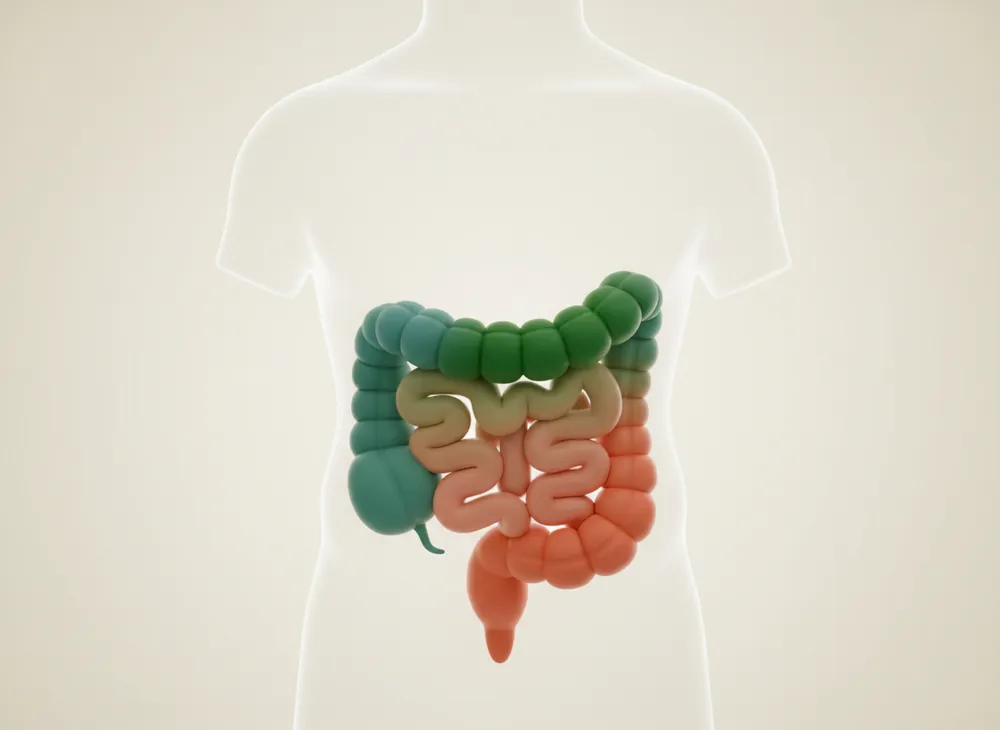
The large bowel consists of the colon and the rectum. Colorectal cancer develops when the cells lining the inner wall of the bowel grow out of control. In most cases, the process begins with a polyp (a small growth on the bowel wall) that can turn into cancer over several years; that is why finding and removing polyps is one of the most effective ways to prevent it [2].
According to GLOBOCAN estimates for 2022, colorectal cancer accounted for 9.6% of all cancers diagnosed and 9.3% of cancer deaths worldwide [1]. The encouraging news is that with early diagnosis many patients are cured completely, and in advanced stages new treatments have markedly improved survival [2].
Signs and symptoms
In its early stages, colorectal cancer often causes no symptoms, and it usually becomes symptomatic at more advanced stages [2]. Symptoms that should be reported to a doctor:
- Bleeding from the rectum or blood in the stool (bright red or dark)
- A persistent change in bowel habits (diarrhea, constipation or narrower stools) that lasts more than a few weeks
- A feeling of incomplete emptying after a bowel movement
- Persistent abdominal pain or bloating
- Unexplained weight loss and fatigue
- Iron-deficiency anemia without an obvious cause
When should I see a doctor?
Don’t put bleeding down to “piles”. Many people blame rectal bleeding on hemorrhoids and put off seeing a doctor. Although most such bleeding has a benign cause, any new or recurring bleeding, especially with a change in bowel habits or anemia, should be checked by a doctor, even if you are young.
Any of the symptoms listed above that lasts more than a few weeks should also be reported to a doctor.
Risk factors, prevention and screening
Factors that increase the risk [2]:
- Older age and a personal history of polyps or bowel cancer
- A family history of bowel cancer in first-degree relatives, and inherited syndromes such as Lynch syndrome and familial adenomatous polyposis (FAP)
- Inflammatory bowel disease (ulcerative colitis and Crohn’s disease)
- Obesity, physical inactivity and smoking
- The dietary pattern of high-income countries (high intake of red and processed meat, and little fiber)
Keeping a healthy weight, regular physical activity, quitting smoking and, above all, taking part in screening are the most effective steps to reduce the risk [2, 4].
The rise of bowel cancer in young adults
While the overall incidence of colorectal cancer has fallen in recent decades in countries such as the United States, the disease is becoming more common in younger people. According to the American Cancer Society’s 2026 report, overall incidence fell by 0.9% per year from 2013 to 2022, but rose by 3% per year in adults aged 20 to 49, with the increase seen mostly in tumors of the distal colon and rectum [3]. Colorectal cancer is now the leading cause of cancer death in people under 50 in the United States, and mortality in this age group has risen by 1% per year since 2004 [3]. The cause of this trend is still unclear, and research to find it continues [3].
Screening: finding polyps before they become cancer
In its 2021 recommendation, the US Preventive Services Task Force (USPSTF) recommended colorectal cancer screening for all adults aged 50 to 75 (grade A recommendation) and for people aged 45 to 49 (grade B recommendation) who are at average risk. For people aged 76 to 85, the decision should be made individually, based on their health and screening history [4]. People with a strong family history, an inherited syndrome or inflammatory bowel disease are not in the “average-risk” group and usually need to be checked earlier and more often [4].
| Method | Description | Interval |
|---|---|---|
| Fecal immunochemical test (FIT) | Checks a stool sample for hidden blood at home; no bowel preparation needed | Every year [4] |
| Stool DNA test with FIT (sDNA-FIT) | Looks for DNA changes from tumor cells and for hidden blood in the stool | Every 1 to 3 years [4] |
| High-sensitivity guaiac fecal occult blood test (gFOBT) | An older, guaiac-based method | Every year [4] |
| CT colonography (virtual colonoscopy) | Imaging of the bowel; requires bowel preparation | Every 5 years [4] |
| Flexible sigmoidoscopy | Inspection of the lower part of the bowel with an endoscope | Every 5 years, or every 10 years with annual FIT [4] |
| Colonoscopy | Complete inspection of the bowel, with removal of polyps during the same procedure | Every 10 years [4] |
An abnormal result from any method other than colonoscopy should be followed up with a colonoscopy [4]. The best method is the one a person will actually do.
Blood tests based on cell-free DNA (cfDNA) are entering the field of screening. In the ECLIPSE study of 7861 people at average risk, one such test detected 83.1% of colorectal cancers but identified only 13.2% of advanced precancerous lesions [5]. These tests therefore do not replace colonoscopy or FIT, and they do not fully deliver the main value of screening, which is finding and removing polyps.
Diagnosis and staging
Diagnostic pathway for colorectal cancer
- 1
Colonoscopy and biopsy
Direct inspection of the bowel and sampling of any suspicious lesion; the definitive diagnosis is made by pathologic examination [2].
- 2
Imaging to assess spread
CT of the chest, abdomen and pelvis to look for spread to the liver, lungs and lymph nodes; in rectal cancer, pelvic MRI is essential for accurate local assessment [2].
- 3
Blood tests
Blood counts, liver tests and the CEA marker for baseline assessment and follow-up [6].
- 4
Molecular marker testing
Testing for DNA mismatch repair status (MMR/MSI) in all patients and, in metastatic disease, testing for RAS, BRAF and HER2 to guide treatment [6].
- 5
Staging (TNM)
Based on how deeply the tumor has invaded (T), lymph node involvement (N) and distant metastasis (M), the disease is classified from stage 0 to IV [2].
- 6
Multidisciplinary team meeting
The surgeon, oncologist, radiation oncologist, radiologist and pathologist decide on the treatment plan together [2].
Molecular markers and why they matter
| Marker | Meaning | Treatment implications |
|---|---|---|
| MSI-H / dMMR | A defect in the DNA repair system; may be a sign of Lynch syndrome | Very good response to immunotherapy: in metastatic disease, pembrolizumab or the combination of nivolumab and ipilimumab in the first line [7, 17, 19] |
| RAS wild-type | No RAS mutation | Combination chemotherapy with anti-EGFR drugs (cetuximab or panitumumab), especially in left-sided tumors [7] |
| RAS (KRAS/NRAS)-mutant | The most common group of mutations | Combination chemotherapy with bevacizumab; anti-EGFR drugs (cetuximab and panitumumab) are not effective [7]; with a KRAS G12C mutation, the specific inhibitor sotorasib plus panitumumab in previously treated disease [7, 21] |
| HER2-positive (HER2 amplification) | A small group of RAS wild-type tumors | Anti-HER2 drugs in previously treated disease: trastuzumab deruxtecan (regardless of RAS status) or, in RAS wild-type tumors, tucatinib + trastuzumab [7, 20, 27] |
| BRAF V600E | Associated with a worse prognosis | Encorafenib + cetuximab with chemotherapy (FOLFOX or FOLFIRI) in the first line [7, 18, 31] |
These markers are tested on a tumor sample and personalize the choice of treatment in advanced disease.
Treatment by stage
Stage 0 and I
Removal of the polyp or superficial tumor by colonoscopy, or surgery to remove part of the bowel together with the lymph nodes. Additional treatment after surgery is usually not needed [2].
Stage II
Stage III
Locally advanced rectal cancer
Stage IV (metastatic)
Systemic treatment based on molecular markers and tumor location: combination chemotherapy (such as FOLFOX, CAPOX or FOLFIRI) with bevacizumab or, in left-sided tumors without RAS mutations, with cetuximab or panitumumab; in treatment-refractory disease, trifluridine/tipiracil with bevacizumab, or regorafenib [7, 29, 30]. For limited liver or lung metastases, surgery or local ablation can be used with curative intent [7].
dMMR / MSI-H tumors
Immunotherapy with pembrolizumab is a first-line treatment for metastatic disease [17]; the combination of nivolumab and ipilimumab is another effective option, which the 2026 ESMO guideline prefers when available [7, 19, 23]. In localized rectal cancer, immunotherapy with a PD-1 inhibitor can replace surgery and radiotherapy [15, 16, 25, 32] (this use does not yet have formal FDA or EMA approval).
What should I do after a diagnosis?
Frequently asked questions
At what age should I start bowel cancer screening?
For people at average risk, from age 45 [4]. If you have a family history of bowel cancer or advanced polyps, an inherited syndrome or inflammatory bowel disease, talk to your doctor about starting earlier. Full answer (Persian)
Is a stool test as reliable as a colonoscopy?
Will I always need a bag (stoma) after surgery?
Is bowel cancer hereditary?
Most cases are not hereditary, but some are linked to inherited syndromes such as Lynch syndrome and FAP [2]. MMR/MSI testing of the tumor helps identify patients who need genetic counseling [6]. Full answer (Persian)
Evidence and recent advances (for physicians)
For physicians
Localized colon cancer: adjuvant therapy
In stage III colon cancer, the standard adjuvant therapy is oxaliplatin-based chemotherapy (FOLFOX or CAPOX) [6, 8]. The IDEA trial showed that 3 months of CAPOX is an appropriate alternative to 6 months in T1–3N1 patients, whereas 6-month treatment was superior in T4 or N2 disease [8]. In dMMR tumors, the phase 3 ATOMIC trial showed that adding atezolizumab to mFOLFOX6 increased three-year disease-free survival from 76.2% to 86.3% (HR 0.50), although grade 3 or 4 adverse events were more frequent (84.1% vs 71.9%) [13].
In the DYNAMIC trial in stage II colon cancer, a ctDNA-guided approach reduced the use of adjuvant chemotherapy from 28% to 15%, while two-year recurrence-free survival was non-inferior (93.5% vs 92.4%) [9]; at 5-year follow-up, recurrence-free survival (88% vs 87%) and overall survival (93.8% vs 93.3%) also remained similar [28].
The phase 3 CHALLENGE trial showed that a structured 3-year exercise program after adjuvant chemotherapy for colon cancer increased 5-year disease-free survival from 73.9% to 80.3% (HR 0.72) [14]. Accordingly, the 2026 update of the ESMO guideline recommends that patients with stage III or high-risk stage II disease be informed of this evidence and that, after shared decision-making, eligible patients be offered participation in a structured exercise program [26].
Locally advanced rectal cancer: total neoadjuvant therapy and organ preservation
In the RAPIDO trial, short-course radiotherapy followed by chemotherapy before TME reduced the cumulative probability of disease-related treatment failure at 3 years from 30.4% to 23.7% (HR 0.75) [10]; however, at 5-year follow-up, locoregional recurrence after surgery was more frequent in this group (10% vs 6%) [24]. In PRODIGE 23, mFOLFIRINOX chemotherapy before chemoradiotherapy increased, at long-term follow-up (median 82.2 months), 7-year disease-free survival from 62.5% to 67.6% and 7-year overall survival from 76.1% to 81.9% [11]. In the OPRA trial (324 patients), using a TNT strategy with nonoperative management in responders, 5-year TME-free survival was 54% in the chemoradiotherapy-followed-by-consolidation-chemotherapy group and 39% in the induction-chemotherapy group, with similar disease-free survival (69% and 71%); about half of the patients preserved their rectum in the long term, and 94% of tumor regrowths occurred in the first 2 years [12]. The 2025 ESMO guideline for localized rectal cancer recommends total neoadjuvant therapy for high-risk tumors of the middle and lower thirds of the rectum [I, A] [25].
In dMMR locally advanced rectal cancer, immunotherapy with a PD-1 inhibitor in place of chemoradiotherapy and surgery has been studied: in a systematic review of 19 studies with 504 patients, PD-1 inhibitor monotherapy was associated with clinical complete response rates of 75 to 100%, and adding chemoradiotherapy provided little benefit [32]. Most data come from the Memorial Sloan Kettering phase 2 trial of dostarlimab for 6 months, which showed a 100% clinical complete response rate in the first 12 patients [15]. In the 2025 update with 117 patients (including other early-stage dMMR solid tumors), all 49 patients with rectal cancer who completed treatment achieved a clinical complete response, and two-year recurrence-free survival in the whole population was 92% [16]. The 2025 ESMO guideline suggests dostarlimab for a treatment duration of 6 months in dMMR/MSI-H locally advanced tumors [II, A]; this use of dostarlimab is not yet approved by the FDA or EMA [25].
pMMR/MSS metastatic disease: first-line
The backbone of first-line treatment for metastatic disease is fluoropyrimidine-based combination chemotherapy plus a biologic agent: cetuximab or panitumumab for RAS wild-type, left-sided tumors, and bevacizumab for RAS-mutant or right-sided tumors [7].
In BRAF V600E-mutant disease, the BREAKWATER trial showed that first-line encorafenib + cetuximab + mFOLFOX6 increased median PFS to 12.8 vs 7.1 months (HR 0.53) and, at the interim analysis, median overall survival to 30.3 vs 15.1 months (HR 0.49) [18]. Encorafenib and cetuximab combined with FOLFIRI also increased median PFS to 15.2 vs 8.3 months in cohort 3 of the same trial (147 patients) (HR 0.44) [31]; the 2026 ESMO guideline recommends both combinations in the first line [7].
MSI-H/dMMR metastatic disease: immunotherapy
In the phase 3 KEYNOTE-177 trial, first-line pembrolizumab for MSI-H/dMMR metastatic colorectal cancer increased median progression-free survival from 8.2 to 16.5 months compared with chemotherapy (HR 0.60) and reduced grade ≥3 treatment-related adverse events from 66% to 22% [17]. In the final analysis (median follow-up 44.5 months), median overall survival was not reached with pembrolizumab vs 36.7 months with chemotherapy (HR 0.74); this difference was not statistically significant, while 60% of patients in the chemotherapy group later received immunotherapy [22]. In CheckMate 8HW, nivolumab plus ipilimumab significantly improved PFS compared with chemotherapy in untreated patients (two-year PFS 72% vs 14%) [19]. In a subsequent report from the same trial, nivolumab plus ipilimumab across all lines of therapy also improved PFS compared with nivolumab alone (HR 0.62; median not reached vs 39.3 months), with grade 3 or 4 treatment-related adverse events in 22% vs 14% [23]. Accordingly, the 2026 ESMO guideline recommends nivolumab plus ipilimumab [I, A], and pembrolizumab when dual therapy is not possible [I, A] [7].
Metastatic disease: later lines
In refractory disease, trifluridine/tipiracil with bevacizumab increased median overall survival from 7.5 to 10.8 months compared with trifluridine/tipiracil alone in the phase 3 SUNLIGHT trial (HR 0.61) [29], and the 2026 ESMO guideline considers it the standard approach [7]; regorafenib also increased median overall survival from 5.0 to 6.4 months compared with placebo in the CORRECT trial (HR 0.77) [30].
In HER2-positive tumors, trastuzumab deruxtecan at 5.4 mg/kg achieved a confirmed objective response rate of 37.8% in previously treated patients (including RAS-mutant tumors) in the randomized phase 2 DESTINY-CRC02 trial [27]; the 2026 ESMO guideline recommends this drug for previously treated HER2 3+ tumors, regardless of RAS status [III, B] [7]. In chemotherapy-refractory HER2-positive, RAS wild-type tumors, tucatinib + trastuzumab achieved an objective response rate of 38.1% in the MOUNTAINEER study [20] (ESMO: [III, B]); trastuzumab combined with pertuzumab or lapatinib is an alternative option [III, C] [7]. In KRAS G12C-mutant disease, the specific inhibitor sotorasib at 960 mg + panitumumab increased median PFS to 5.6 months vs 2.2 months with standard therapy (trifluridine/tipiracil or regorafenib) in the CodeBreaK 300 trial (HR 0.49) [21]; in the overall survival analysis, the hazard ratio was 0.70, which was not statistically significant, and the objective response rate was 30.2% vs 1.9% [33]. The 2026 ESMO guideline recommends this combination at level [II, B] [7].
Treatment regimens and dosing (for physicians)
Treatment regimens and doses: index19 regimens
- Fluorouracil and capecitabine: testing for DPYD gene variants is recommended before starting (risk of severe toxicity in DPD deficiency) [34, 36]. Do not use capecitabine in complete DPD deficiency, and individualize the dose in partial deficiency; reduce the dose by 25% for creatinine clearance 30 to 50 mL/min, and no dose has been established below 30; take the tablets about 12 hours apart and within 30 minutes after a meal [34].
- Irinotecan: in patients homozygous for UGT1A1*28 or *6 (or *6/*28), reduce the starting dose by at least one level; there is no recommended dose for bilirubin above 2 mg/dL; start a new cycle only with neutrophils ≥1500 and platelets ≥100,000/µL and complete resolution of diarrhea; treat late diarrhea promptly with loperamide and early cholinergic diarrhea with atropine; antiemetic premedication is recommended [37].
- Bevacizumab: stop at least 28 days before elective surgery and do not start until 28 days after major surgery and until the wound has healed; monitor blood pressure and proteinuria (proteinuria ≥2 g per 24 hours → withhold until below 2 g) [38].
- Cetuximab: premedication with an H1 antihistamine, and complete the infusion one hour before chemotherapy; monitor magnesium, potassium and calcium [40].
- Panitumumab: grade 3 skin toxicity → withhold 1 to 2 doses, then resume at the same dose, and on recurrence at 80% and then 60% of the dose; monitor magnesium [41].
- Immune checkpoint inhibitors (atezolizumab, pembrolizumab, nivolumab and ipilimumab): check liver enzymes, creatinine and thyroid function before starting and periodically; immune-related adverse events are managed according to severity by withholding or permanently discontinuing the drug and with corticosteroids [42, 43, 44].
For physicians
Stage III colon cancer: adjuvant chemotherapy
CAPOX (XELOX)
Stage III colon cancer after surgery; patient suitable for oxaliplatinCycle length: Every 21 days
Stage III colon cancer after surgery; patient suitable for oxaliplatin
Before prescribing: Shared safety notes| Drug | Dose | Route | Schedule |
|---|---|---|---|
| Oxaliplatin | 130 mg/m² | IV | Day 1 |
| Capecitabine | 1000 mg/m² twice daily | Oral | Days 1–14 |
Treatment duration based on IDEA [8]; doses from the FDA label for capecitabine (a maximum of 8 cycles in the adjuvant setting) [34].
Evidence: IDEA (2018)
mFOLFOX6
Stage III colon cancer after surgery; alternative to CAPOXCycle length: Every 14 days
Stage III colon cancer after surgery; alternative to CAPOX
Before prescribing: Shared safety notes| Drug | Dose | Route | Schedule |
|---|---|---|---|
| Oxaliplatin | 85 mg/m² | IV over 2 h | Day 1 |
| Leucovorin | 400 mg/m² | IV over 2 h | Day 1 |
| Fluorouracil (bolus) | 400 mg/m² | IV bolus | Day 1 |
| Fluorouracil (infusion) | 2400 mg/m² | IV, continuous 46-h infusion | Starting day 1 |
Doses from the ATOMIC trial (mFOLFOX6 arm) [13]. In IDEA, unlike CAPOX, three months of FOLFOX was not as effective as six months, and longer treatment gave better disease-free survival, particularly in high-risk patients [8]. The regimen in the FDA label is FOLFOX4: oxaliplatin 85 and leucovorin 200 mg/m² over 2 hours, then fluorouracil 400 mg/m² as a bolus and 600 mg/m² as a 22-hour infusion on day 1, and leucovorin and fluorouracil at the same doses on day 2; every 14 days for up to 12 cycles [35].
Oxaliplatin modifications per the label (adjuvant setting): persistent grade 2 sensory neuropathy → consider reducing to 75 mg/m²; persistent grade 3 → consider discontinuing; grade 4 → discontinue. Grade 4 or febrile neutropenia, or grade 3–4 thrombocytopenia → delay until neutrophils ≥1,500 and platelets ≥75,000/µL, then give oxaliplatin 75 mg/m². Creatinine clearance below 30 mL/min → oxaliplatin 65 mg/m² [35].
Evidence: ATOMIC (Alliance A021502) (2026), IDEA (2018)
Single-agent capecitabine
Adjuvant treatment of colon cancer in patients for whom oxaliplatin is not suitableCycle length: Every 21 days
Adjuvant treatment of colon cancer in patients for whom oxaliplatin is not suitable
Before prescribing: Shared safety notes| Drug | Dose | Route | Schedule |
|---|---|---|---|
| Capecitabine | 1250 mg/m² twice daily | Oral | Days 1–14 |
Dose from the FDA label for capecitabine [34].
Atezolizumab + mFOLFOX6 (ATOMIC)
Stage III colon cancer with DNA mismatch repair deficiency (dMMR), after surgery; in the trial, started within 10 weeks of surgeryCycle length: Every 14 days
Stage III colon cancer with DNA mismatch repair deficiency (dMMR), after surgery; in the trial, started within 10 weeks of surgery
Before prescribing: Shared safety notes| Drug | Dose | Route | Schedule |
|---|---|---|---|
| Phase 1: 12 cycles (6 months) | |||
| Atezolizumab | 840 mg | IV (before chemotherapy) | Day 1 |
| Oxaliplatin | 85 mg/m² | IV over 2 h | Day 1 |
| Leucovorin | 400 mg/m² | IV over 2 h | Day 1 |
| Fluorouracil (bolus) | 400 mg/m² | IV bolus | Day 1 |
| Fluorouracil (infusion) | 2400 mg/m² | IV, continuous 46-h infusion | Starting day 1 |
| Phase 2: 13 cycles (6 months) | |||
| Atezolizumab monotherapy | 840 mg | IV | Day 1 |
ATOMIC trial regimen [13]. The FDA label for atezolizumab includes this use: 840 mg every 2 weeks (or 1200 mg every 3 weeks or 1680 mg every 4 weeks) with chemotherapy for 6 months, followed by monotherapy for 6 months; if chemotherapy is stopped early, atezolizumab is continued to a total of 12 months; dose reduction of atezolizumab is not recommended [42].
Evidence: ATOMIC (Alliance A021502) (2026)
Doses follow the trial protocol, guideline or official drug label (source given in the notes of each regimen). Before prescribing, check blood counts, renal and hepatic function, drug interactions and the patient’s condition, and adjust the dose according to the drug label.
Locally advanced rectal cancer: total neoadjuvant therapy (TNT) and immunotherapy
Short-course radiotherapy followed by CAPOX or FOLFOX4 (RAPIDO)
High-risk locally advanced rectal adenocarcinoma on MRI (at least one of: cT4a/b, extramural vascular invasion, cN2, mesorectal fascia involvement or enlarged lateral lymph nodes); ECOG 0–1
High-risk locally advanced rectal adenocarcinoma on MRI (at least one of: cT4a/b, extramural vascular invasion, cN2, mesorectal fascia involvement or enlarged lateral lymph nodes); ECOG 0–1
Before prescribing: Shared safety notes| Drug | Dose | Route | Schedule |
|---|---|---|---|
| Phase 1 | |||
| Short-course radiotherapy | 5 × 5 Gy | Pelvis | Within a maximum of 8 days |
| Phase 2: 6 cycles of CAPOX (every 21 days) | |||
| Oxaliplatin | 130 mg/m² | IV | Day 1 |
| Capecitabine | 1000 mg/m² twice daily | Oral | Days 1–14 |
| Or phase 2: 9 cycles of FOLFOX4 (every 14 days) | |||
| Oxaliplatin | 85 mg/m² | IV | Day 1 |
| Leucovorin | 200 mg/m² | IV | Days 1 and 2 |
| Fluorouracil | 400 mg/m² bolus, then 600 mg/m² over 22 hours | IV | Days 1 and 2 |
Doses and schedule from the RAPIDO publication [10].
Evidence: RAPIDO (2023), RAPIDO (2021)
mFOLFIRINOX followed by chemoradiotherapy (PRODIGE 23)
Rectal adenocarcinoma cT3 or cT4 M0; age 18 to 75 years; WHO performance status 0–1
Rectal adenocarcinoma cT3 or cT4 M0; age 18 to 75 years; WHO performance status 0–1
Before prescribing: Shared safety notes| Drug | Dose | Route | Schedule |
|---|---|---|---|
| Phase 1: 6 cycles (every 14 days) | |||
| Oxaliplatin | 85 mg/m² | IV | Day 1, every 14 days |
| Irinotecan | 180 mg/m² | IV | Day 1, every 14 days |
| Leucovorin | 400 mg/m² | IV | Day 1, every 14 days |
| Fluorouracil | 2400 mg/m² (no bolus) | IV, continuous 46- to 48-h infusion | Days 1 and 2, every 14 days |
| Phase 2: chemoradiotherapy | |||
| Radiotherapy | 50 Gy | Pelvis | Over 5 weeks |
| Concurrent capecitabine | 800 mg/m² twice daily | Oral | 5 days per week during radiotherapy |
| Phase 4: 3 months of adjuvant therapy after TME | |||
| mFOLFOX6 (6 cycles, every 14 days) or capecitabine | mFOLFOX6 at the standard doses above; or capecitabine 1250 mg/m² twice daily, days 1–14 every 21 days | IV / oral | mFOLFOX6 every 14 days (6 cycles); capecitabine days 1–14, every 21 days |
Doses from the original PRODIGE 23 publication [51]; infusion durations (oxaliplatin and leucovorin over 2 hours, irinotecan over 90 minutes, fluorouracil 1200 mg/m² per day over 2 days without a bolus) from the trial registration [53].
Evidence: PRODIGE 23 (2024), PRODIGE 23 (2021)
Chemoradiotherapy followed by consolidation chemotherapy (OPRA; aiming at rectal preservation)
Stage II or III rectal adenocarcinoma; with a complete or near-complete response, nonoperative follow-up (watch and wait)
Stage II or III rectal adenocarcinoma; with a complete or near-complete response, nonoperative follow-up (watch and wait)
Before prescribing: Shared safety notes| Drug | Dose | Route | Schedule |
|---|---|---|---|
| Phase 1: chemoradiotherapy | |||
| Radiotherapy | 45 Gy in 25 fractions to the pelvis, with a boost to a total of 50 to 56 Gy to the tumor and involved nodes | External beam | |
| Concurrent capecitabine (or continuous-infusion fluorouracil) | 825 mg/m² twice daily | Oral | During radiotherapy |
| Phase 2: consolidation chemotherapy (about 4 months) | |||
| FOLFOX or CAPOX | 8 two-weekly cycles of FOLFOX or 5 three-weekly cycles of CAPOX (doses as in the regimens above) | IV / oral | |
Radiotherapy schedule and number of cycles from OPRA [12]; capecitabine dose with radiotherapy from the FDA label [34].
Evidence: OPRA (2024), OPRA (2022)
Dostarlimab (dMMR rectal cancer)
Locally advanced (stage II or III) dMMR/MSI-H rectal cancerCycle length: Every 3 weeks
Locally advanced (stage II or III) dMMR/MSI-H rectal cancer
Before prescribing: Shared safety notes| Drug | Dose | Route | Schedule |
|---|---|---|---|
| Dostarlimab | 500 mg | IV | Day 1 |
Regimen of the Memorial Sloan Kettering phase 2 trial [15, 16]. If tumor remained, the protocol called for standard chemoradiotherapy (5040 cGy in 28 fractions with capecitabine) followed by TME [15]. ESMO 2025 suggests this treatment at level [II, A], but this use does not yet have FDA or EMA approval [25].
Evidence: MSK Dostarlimab (Cercek 2025) (2025), MSK Dostarlimab (Cercek 2022) (2022)
Before prescribing, check each dose against the drug label, laboratory tests and the patient’s condition.
pMMR/MSS metastatic colorectal cancer: first-line
mFOLFOX6 ± bevacizumab or anti-EGFR
First-line; cetuximab or panitumumab only for RAS wild-type disease (especially left-sided tumors); bevacizumab for RAS-mutant or right-sided tumorsCycle length: Every 14 days
First-line; cetuximab or panitumumab only for RAS wild-type disease (especially left-sided tumors); bevacizumab for RAS-mutant or right-sided tumors
Before prescribing: Shared safety notes| Drug | Dose | Route | Schedule |
|---|---|---|---|
| Oxaliplatin | 85 mg/m² | IV over 2 h | Day 1 |
| Leucovorin | 400 mg/m² | IV over 2 h | Day 1 |
| Fluorouracil (bolus) | 400 mg/m² | IV bolus | Day 1 |
| Fluorouracil (infusion) | 2400 mg/m² | IV, continuous 46-h infusion | Starting day 1 |
| Plus one of these drugs | |||
| Bevacizumab | 5 mg/kg | IV | Day 1 |
| Cetuximab | 500 mg/m² over 120 min (or 400 mg/m², then 250 mg/m² weekly) | IV | Day 1 |
| Panitumumab | 6 mg/kg over 60 min (doses above 1000 mg: 90 min) | IV | Day 1 |
Doses of mFOLFOX6 with bevacizumab 5 mg/kg or with cetuximab from KEYNOTE-177 [22]; per the European SmPC, the bevacizumab dose in metastatic colorectal cancer is 5 or 10 mg/kg every 2 weeks or 7.5 or 15 mg/kg every 3 weeks [39]; cetuximab [40]; panitumumab with FOLFOX in the first line for RAS wild-type disease [41].
Evidence: KEYNOTE-177 (2022)
CAPOX ± bevacizumab
First-line metastatic diseaseCycle length: Every 21 days
First-line metastatic disease
Before prescribing: Shared safety notes| Drug | Dose | Route | Schedule |
|---|---|---|---|
| Oxaliplatin | 130 mg/m² | IV | Day 1 |
| Capecitabine | 1000 mg/m² twice daily | Oral | Days 1–14 |
| Bevacizumab | 7.5 mg/kg | IV | Day 1 |
FOLFIRI ± bevacizumab or cetuximab
First- or second-line metastatic disease; cetuximab only for RAS wild-type diseaseCycle length: Every 14 days
First- or second-line metastatic disease; cetuximab only for RAS wild-type disease
Before prescribing: Shared safety notes| Drug | Dose | Route | Schedule |
|---|---|---|---|
| Irinotecan | 180 mg/m² | IV over 90 min | Day 1 |
| Leucovorin | 400 mg/m² | IV | Day 1 |
| Fluorouracil (bolus) | 400 mg/m² | IV bolus | Day 1 |
| Fluorouracil (infusion) | 1200 mg/m² per day for 2 days (2400 mg/m²) | IV, continuous infusion | Days 1 and 2 |
| Plus one of these drugs | |||
| Bevacizumab | 5 mg/kg | IV | Day 1 |
| Cetuximab | 500 mg/m² every 2 weeks, or 400 then 250 mg/m² weekly | IV | Day 1 |
Doses of FOLFIRI and bevacizumab from KEYNOTE-177 [22]; cetuximab with FOLFIRI per the FDA label [40]; after progression on a bevacizumab-containing regimen, bevacizumab 5 mg/kg every 2 weeks or 7.5 mg/kg every 3 weeks can be continued with irinotecan- or oxaliplatin-based backbone chemotherapy [38].
Evidence: KEYNOTE-177 (2022)
Encorafenib + cetuximab + mFOLFOX6 (BREAKWATER)
BRAF V600E-mutant metastatic colorectal cancer; first-lineEach drug’s schedule in the table
BRAF V600E-mutant metastatic colorectal cancer; first-line
Before prescribing: Shared safety notes| Drug | Dose | Route | Schedule |
|---|---|---|---|
| Encorafenib | 300 mg once daily | Oral | Continuous |
| Cetuximab | 500 mg/m² | IV | Day 1 (every 2 weeks) |
| Oxaliplatin | 85 mg/m² | IV over 2 h | Day 1 (every 2 weeks) |
| Leucovorin | 400 mg/m² | IV over 2 h | Day 1 (every 2 weeks) |
| Fluorouracil (bolus) | 400 mg/m² | IV bolus | Day 1 (every 2 weeks) |
| Fluorouracil (infusion) | 2400 mg/m² | IV, continuous 46-h infusion | Starting day 1 (every 2 weeks) |
Doses from BREAKWATER [18] and the FDA label for encorafenib, which also covers the combination with biweekly cetuximab and FOLFIRI [45]; results of the combination with FOLFIRI in cohort 3 of the same trial [31].
Encorafenib: dose reductions in colorectal cancer to 225 mg and then 150 mg daily; discontinue if 150 mg is not tolerated. QTcF greater than 500 ms with an increase of ≤60 ms → withhold until ≤500 and resume at a lower dose; QTcF greater than 500 with an increase of more than 60 ms → discontinue permanently [45].
Evidence: BREAKWATER (2025)
Before prescribing, check each dose against the drug label, laboratory tests and the patient’s condition.
MSI-H/dMMR metastatic colorectal cancer: first-line
Pembrolizumab (KEYNOTE-177)
MSI-H/dMMR metastatic colorectal cancer; first-line (in ESMO 2026, when dual therapy is not possible)Cycle length: Every 3 or 6 weeks
MSI-H/dMMR metastatic colorectal cancer; first-line (in ESMO 2026, when dual therapy is not possible) [7]
Before prescribing: Shared safety notes| Drug | Dose | Route | Schedule |
|---|---|---|---|
| Pembrolizumab | 200 mg every 3 weeks or 400 mg every 6 weeks | IV | Day 1 |
Dose from the FDA label for pembrolizumab [43]; in KEYNOTE-177, 200 mg every 3 weeks for up to 35 doses [17, 22].
Evidence: KEYNOTE-177 (2022), KEYNOTE-177 (2020)
Nivolumab + ipilimumab (CheckMate 8HW)
MSI-H/dMMR metastatic colorectal cancer; preferred option in ESMO 2026
MSI-H/dMMR metastatic colorectal cancer; preferred option in ESMO 2026 [7]
Before prescribing: Shared safety notes| Drug | Dose | Route | Schedule |
|---|---|---|---|
| Phase 1: up to 4 doses, every 3 weeks | |||
| Nivolumab | 240 mg | IV | Day 1 |
| Ipilimumab | 1 mg/kg | IV (same day, after nivolumab) | Day 1 |
| Phase 2: maintenance | |||
| Nivolumab | 240 mg every 2 weeks or 480 mg every 4 weeks | IV | |
Evidence: CheckMate 8HW (2025), CheckMate 8HW (2024)
Before prescribing, check each dose against the drug label, laboratory tests and the patient’s condition.
Metastatic colorectal cancer: later lines, regardless of biomarkers
Trifluridine/tipiracil + bevacizumab (SUNLIGHT)
Disease previously treated with a fluoropyrimidine, oxaliplatin, irinotecan, an anti-VEGF agent (optional) and, if RAS wild-type, an anti-EGFR agent; in SUNLIGHT, a maximum of 2 prior regimens and ECOG 0–1Cycle length: Every 28 days
Disease previously treated with a fluoropyrimidine, oxaliplatin, irinotecan, an anti-VEGF agent (optional) and, if RAS wild-type, an anti-EGFR agent; in SUNLIGHT, a maximum of 2 prior regimens and ECOG 0–1
Before prescribing: Shared safety notes| Drug | Dose | Route | Schedule |
|---|---|---|---|
| Trifluridine/tipiracil | 35 mg/m² twice daily (maximum 80 mg per dose; based on the trifluridine component) | Oral, with food | Days 1–5 and 8–12 |
| Bevacizumab | 5 mg/kg | IV | Days 1 and 15 |
Doses from the FDA label for trifluridine/tipiracil (SUNLIGHT section) [46]; evidence: SUNLIGHT [29].
Complete blood count before each cycle and on day 15; start a cycle only with neutrophils ≥1500 and platelets ≥75,000/µL; after febrile neutropenia or severe toxicity, reduce by 5 mg/m² per dose (up to 3 times). Creatinine clearance 15 to 29 mL/min → 20 mg/m² twice daily [46].
Evidence: SUNLIGHT (2023)
Regorafenib (CORRECT)
Disease previously treated with fluoropyrimidine-, oxaliplatin- and irinotecan-based chemotherapy, an anti-VEGF agent and, if RAS wild-type, an anti-EGFR agentCycle length: Every 28 days
Disease previously treated with fluoropyrimidine-, oxaliplatin- and irinotecan-based chemotherapy, an anti-VEGF agent and, if RAS wild-type, an anti-EGFR agent
Before prescribing: Shared safety notes| Drug | Dose | Route | Schedule |
|---|---|---|---|
| Regorafenib | 160 mg once daily | Oral, after a low-fat meal | Days 1–21 |
Dose from the FDA label [47]; evidence: CORRECT [30].
Dose reduction in 40-mg steps (120 mg, then 80 mg; lowest dose 80 mg). Liver tests (ALT, AST, bilirubin) before starting, at least every 2 weeks for the first 2 months and monthly thereafter; monitor for hand–foot skin reaction and blood pressure [47].
Before prescribing, check each dose against the drug label, laboratory tests and the patient’s condition.
Metastatic colorectal cancer: later lines by biomarker (HER2-positive, KRAS G12C)
Trastuzumab deruxtecan (DESTINY-CRC02)
Previously treated HER2-positive (IHC 3+) tumors, regardless of RAS statusCycle length: Every 21 days
Previously treated HER2-positive (IHC 3+) tumors, regardless of RAS status
Before prescribing: Shared safety notes| Drug | Dose | Route | Schedule |
|---|---|---|---|
| Trastuzumab deruxtecan | 5.4 mg/kg | IV | Day 1 |
Dose from the FDA label (HER2 3+ solid tumors, accelerated approval) [49]; evidence: DESTINY-CRC02 [27]. Do not substitute trastuzumab or trastuzumab emtansine [49].
The drug is highly emetogenic, and antiemetic prophylaxis is required. Monitor for interstitial lung disease (ILD): asymptomatic ILD (grade 1) → withhold until complete resolution; symptomatic ILD (grade ≥2) → discontinue permanently; start corticosteroids early if ILD is suspected. LVEF before starting and periodically [49].
Tucatinib + trastuzumab (MOUNTAINEER)
HER2-positive, RAS wild-type metastatic colorectal cancer, after fluoropyrimidine-, oxaliplatin- and irinotecan-based chemotherapyEach drug’s schedule in the table
HER2-positive, RAS wild-type metastatic colorectal cancer, after fluoropyrimidine-, oxaliplatin- and irinotecan-based chemotherapy
Before prescribing: Shared safety notes| Drug | Dose | Route | Schedule |
|---|---|---|---|
| Tucatinib | 300 mg twice daily | Oral | Continuous |
| Trastuzumab | Loading dose 8 mg/kg, then 6 mg/kg | IV | Day 1 of the first cycle; then day 1 every 21 days |
Doses from the FDA label for tucatinib (accelerated approval) [48]; evidence: MOUNTAINEER [20].
In severe hepatic impairment (Child-Pugh C), tucatinib 200 mg twice daily [48]. Trastuzumab: assess cardiac function before starting and during treatment [52].
Evidence: MOUNTAINEER (2023)
Sotorasib + panitumumab (CodeBreaK 300)
KRAS G12C-mutant metastatic colorectal cancer, after fluoropyrimidine-, oxaliplatin- and irinotecan-based chemotherapyEach drug’s schedule in the table
KRAS G12C-mutant metastatic colorectal cancer, after fluoropyrimidine-, oxaliplatin- and irinotecan-based chemotherapy
Before prescribing: Shared safety notes| Drug | Dose | Route | Schedule |
|---|---|---|---|
| Sotorasib | 960 mg once daily | Oral | Continuous (first dose before the first panitumumab infusion) |
| Panitumumab | 6 mg/kg | IV | Day 1 (every 14 days) |
Doses from the FDA labels for sotorasib and panitumumab [50, 41]; evidence: CodeBreaK 300 [21, 33].
If sotorasib is withheld or permanently discontinued, panitumumab should also be stopped [41]. Liver tests every 3 weeks for the first 3 months and monthly thereafter; stop sotorasib immediately if ILD is suspected; avoid proton pump inhibitors and H2 antagonists [50].
Evidence: CodeBreak 300 (2023)
Before prescribing, check each dose against the drug label, laboratory tests and the patient’s condition.
Scientific evidence
Key studies
18 itemsPembrolizumab versus chemotherapy for microsatellite instability-high or mismatch repair-deficient metastatic colorectal cancer (KEYNOTE-177): final analysis of a randomised, open-label, phase 3 study
Duration of Adjuvant Chemotherapy for Stage III Colon Cancer
Circulating tumor DNA analysis guiding adjuvant therapy in stage II colon cancer: 5-year outcomes of the randomized DYNAMIC trial
Circulating Tumor DNA Analysis Guiding Adjuvant Therapy in Stage II Colon Cancer
Total neoadjuvant therapy with mFOLFIRINOX versus preoperative chemoradiotherapy in patients with locally advanced rectal cancer: long-term results of the UNICANCER-PRODIGE 23 trial
Short-course radiotherapy followed by chemotherapy before total mesorectal excision (TME) versus preoperative chemoradiotherapy, TME, and optional adjuvant chemotherapy in locally advanced rectal cancer (RAPIDO): a randomised, open-label, phase 3 trial
Locoregional Failure During and After Short-course Radiotherapy Followed by Chemotherapy and Surgery Compared With Long-course Chemoradiotherapy and Surgery
Long-Term Results of Organ Preservation in Patients With Rectal Adenocarcinoma Treated With Total Neoadjuvant Therapy: The Randomized Phase II OPRA Trial
Structured Exercise after Adjuvant Chemotherapy for Colon Cancer
Trifluridine-Tipiracil and Bevacizumab in Refractory Metastatic Colorectal Cancer
Encorafenib, Cetuximab, and mFOLFOX6 in BRAF-Mutated Colorectal Cancer
Tucatinib plus trastuzumab for chemotherapy-refractory, HER2-positive, RAS wild-type unresectable or metastatic colorectal cancer (MOUNTAINEER): a multicentre, open-label, phase 2 study
Atezolizumab plus FOLFOX for Stage III Mismatch Repair-Deficient Colon Cancer
Nivolumab plus Ipilimumab in Microsatellite-Instability-High Metastatic Colorectal Cancer
Nivolumab plus ipilimumab versus nivolumab in microsatellite instability-high metastatic colorectal cancer (CheckMate 8HW): a randomised, open-label, phase 3 trial
Nonoperative Management of Mismatch Repair-Deficient Tumors
Pembrolizumab in Microsatellite-Instability-High Advanced Colorectal Cancer
PD-1 Blockade in Mismatch Repair-Deficient, Locally Advanced Rectal Cancer
Clinical guidelines
4 itemsMetastatic colorectal cancer: ESMO Clinical Practice Guideline for diagnosis, treatment and follow-up
ESMO Clinical Practice Guideline Express Update on the adoption of physical exercise in patients with localised colon cancer
Localised rectal cancer: ESMO Clinical Practice Guideline for diagnosis, treatment and follow-up
Localised colon cancer: ESMO Clinical Practice Guidelines for diagnosis, treatment and follow-up
References
53 referencesShow all references, 30 with a study cardClose the reference list
Numbers in the text, such as [1], refer to these sources. Sources with a “Study card” button are summarised in the site’s evidence library.
- 1Global cancer statistics 2022: GLOBOCAN estimates of incidence and mortality worldwide for 36 cancers in 185 countries
- 2
- 3
- 4
- 5A Cell-free DNA Blood-Based Test for Colorectal Cancer Screening
- 6
- 7
- 8
- 9Circulating Tumor DNA Analysis Guiding Adjuvant Therapy in Stage II Colon Cancer
- 10
- 11Total neoadjuvant therapy with mFOLFIRINOX versus preoperative chemoradiotherapy in patients with locally advanced rectal cancer: long-term results of the UNICANCER-PRODIGE 23 trial
- 12
- 13
- 14Structured Exercise after Adjuvant Chemotherapy for Colon Cancer
- 15
- 16
- 17
- 18
- 19
- 20
- 21
- 22
- 23
- 24Locoregional Failure During and After Short-course Radiotherapy Followed by Chemotherapy and Surgery Compared With Long-course Chemoradiotherapy and Surgery: A 5-Year Follow-up of the RAPIDO Trial
- 25
- 26ESMO Clinical Practice Guideline Express Update on the adoption of physical exercise in patients with localised colon cancer
- 27
- 28Circulating tumor DNA analysis guiding adjuvant therapy in stage II colon cancer: 5-year outcomes of the randomized DYNAMIC trial
- 29
- 30
- 31
- 32
- 33
- 34
- 35
- 36Fluorouracil injection, for intravenous use — Prescribing Information
- 37CAMPTOSAR (irinotecan) injection, for intravenous use — Prescribing Information
- 38
- 39
- 40
- 41
- 42
- 43
- 44
- 45
- 46
- 47
- 48
- 49
- 50
- 51Neoadjuvant chemotherapy with FOLFIRINOX and preoperative chemoradiotherapy for patients with locally advanced rectal cancer (UNICANCER-PRODIGE 23): a multicentre, randomised, open-label, phase 3 trial
- 52HERCEPTIN (trastuzumab) for injection, for intravenous use — Prescribing Information
- 53Efficacy of Neoadjuvant Folfirinox Regimen in Patients With Resectable Locally Advanced Rectal Cancer (PRODIGE 23; NCT01804790)
This page is based on reputable scientific sources and was last updated on 21 October 2026. The content of this website is for educational and informational purposes only and does not replace consultation, diagnosis or treatment by a specialist physician. Consult your treating physician about any treatment decision.