Key points
- About 90% of thyroid cancers are of the differentiated type (mostly papillary) and have a very good prognosis; 10-year survival for patients with the papillary type is about 93% [1].
- Much of the rise in thyroid cancer cases in recent decades is due to overdiagnosis of small, harmless tumors by ultrasound; for this reason, screening people without symptoms is not recommended [2, 3].
- For many small, low-risk tumors, more limited surgery (removing one lobe) is enough, and for papillary microcarcinomas smaller than 1 cm, active surveillance without immediate surgery is an accepted option [1, 4].
- The ESTIMABL2 and IoN trials showed that many low-risk patients do not need radioactive iodine after thyroidectomy [5, 6].
- In advanced disease, targeted drugs have improved treatment outcomes: lenvatinib in the radioactive iodine-refractory differentiated type [7], vandetanib and the newer drug selpercatinib (for RET mutations) in the medullary type [18, 8], and the dabrafenib–trametinib combination for BRAF V600E mutations in the anaplastic type [9].
What is thyroid cancer?
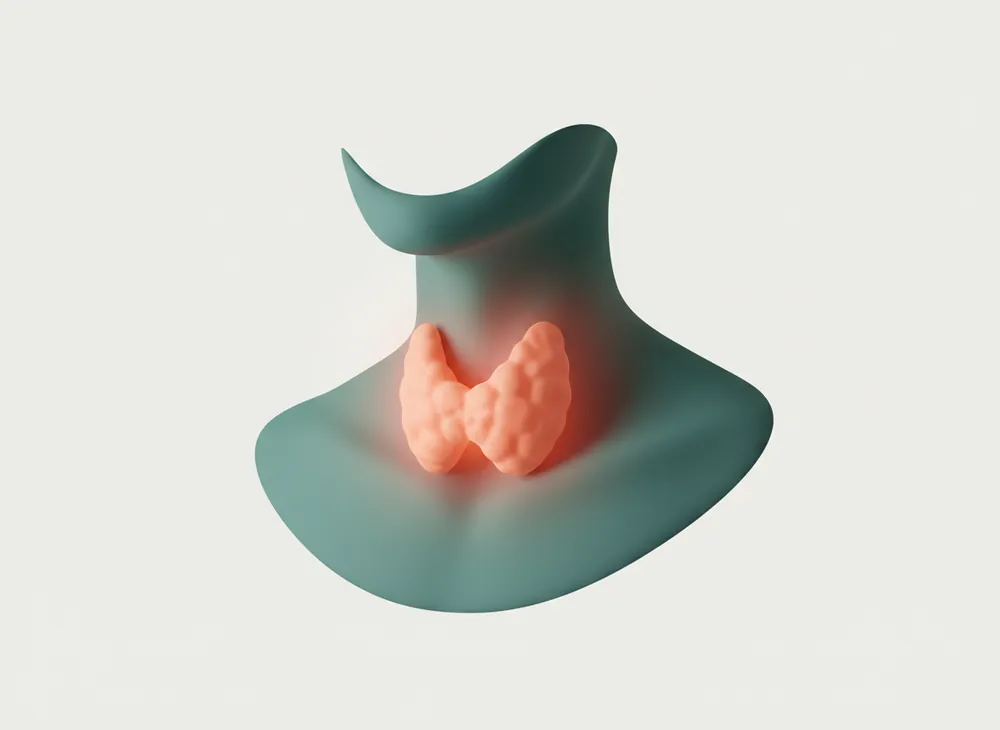
The thyroid gland is a butterfly-shaped organ at the front of the neck that makes hormones that regulate the body’s metabolism. Thyroid cancer develops when cells of this gland grow in an uncontrolled way. Most thyroid cancers arise from follicular cells (the cells that make thyroid hormone), and a small group, called medullary carcinoma, arises from C cells (which make the hormone calcitonin) [10].
The good news is that about 90% of cases are of the “differentiated” type [1]. Papillary carcinoma, the most common type, usually grows slowly and is associated with excellent long-term survival: about 96% at 5 years, 93% at 10 years and more than 90% at 20 years [1]. In the United States, the overall five-year survival rate for thyroid cancer has been reported as 98.1% [3].
Types of thyroid cancer
| Type | Origin and features | Behavior and prognosis | Mainstays of treatment |
|---|---|---|---|
| Papillary (PTC) | From follicular cells; the most common type; in about 90% of cases it arises through activation of the MAPK pathway (especially BRAF V600E or RAS mutations) and sometimes through a RET gene fusion [1, 10] | Usually slow-growing; 10-year survival about 93%; risk of recurrence 15 to 35%, usually in the thyroid bed or the lymph nodes of the neck [1] | Surgery; radioactive iodine in selected cases; active surveillance for low-risk microcarcinoma [1] |
| Follicular (FTC) | From follicular cells, without the nuclear features of papillary cancer; mostly with RAS mutations or a PAX8::PPARγ fusion [1] | Its diagnostic hallmark is invasion of the capsule or blood vessels [1] | Surgery and, if needed, radioactive iodine [1] |
| Oncocytic (OTC; formerly “Hürthle cell”) | Now regarded as a distinct type of differentiated cancer; about 3% of differentiated cancers [1, 10] | Clinical behavior differs from that of classic follicular cancer [1] | Surgery; risk-based follow-up [1] |
| Medullary (MTC) | From C cells; occurs in two forms, sporadic and hereditary [10, 11] | There is a separate American Thyroid Association guideline for it [11] | The ATA guideline covers the diagnosis and treatment of both the sporadic and the hereditary forms [11]; in advanced, progressive disease, the kinase inhibitors vandetanib or cabozantinib [11, 18, 19]; with a RET mutation, the newer selective drug selpercatinib [8, 19] |
| Anaplastic (ATC) | The most undifferentiated form of follicular cell-derived cancer [10] | Rare but highly lethal [12] | Multimodal treatment (surgery, radiation therapy, systemic/targeted therapy) [12]; with a BRAF V600E mutation, dabrafenib + trametinib [9]; in the absence of a targetable alteration, chemotherapy such as paclitaxel with or without carboplatin [19] |
Surgery, radiation therapy and drug treatment are decided for each patient by a multidisciplinary team, based on the type, stage and risk of recurrence.
When should I contact my doctor?
Thyroid cancer may cause no symptoms at first. If you have any of these symptoms, see a doctor [34]:
- A lump or swelling in the neck
- Hoarseness
- Difficulty swallowing or pain when swallowing
- Difficulty breathing
These symptoms can also have other causes [34], and most thyroid nodules are benign [13]. However, a neck lump that is growing quickly should be checked without delay; the rare anaplastic type grows very fast, and the assessments needed before treating it should be completed as quickly as possible [12].
Overdiagnosis: why isn’t every small thyroid cancer dangerous?
Over the past few decades, with the spread of neck ultrasound, the number of thyroid cancers diagnosed in many countries has risen sharply, while deaths from the disease have stayed the same or fallen; this increase has been largely confined to small papillary cancers in young and middle-aged people [2]. A population-based study estimated that between 2003 and 2007, at least 60% of thyroid cancer cases in women under 80 in France, Italy, the United States, Australia and South Korea were due to changes in how the disease is diagnosed (that is, more searching) [2].
“Overdiagnosis” means diagnosing cancers that, had they not been found, would never have caused symptoms or death [1]. Such a diagnosis can lead to surgery, lifelong hormone treatment and unnecessary complications. For this reason, the US Preventive Services Task Force (USPSTF) recommends against screening for thyroid cancer in adults without symptoms (grade D recommendation) and has concluded that the harms of screening outweigh its benefits [3]. In the United States, after peaking at 14.9 per 100,000 people in 2015, the incidence of thyroid cancer fell for the first time in 30 years; this decline coincided with guideline recommendations for larger size thresholds and stricter ultrasound criteria for nodule biopsy [1].
Thyroid nodules and the diagnostic pathway
Thyroid nodules (lumps) are very common, and most of them are benign [13]. The goal of the evaluation is to find the small number of nodules that are malignant or need surgery, without putting many people through unnecessary biopsies. Ultrasound-based risk classification systems (such as ACR TI-RADS) were designed for exactly this purpose: based on how a nodule looks on ultrasound, they determine whether a biopsy is needed or whether follow-up with ultrasound is enough [13, 14]. According to the ATA guideline, fine-needle aspiration (FNA) biopsy is not routinely recommended for nodules 1 cm or smaller with low-risk features [1].
The diagnostic pathway for a thyroid nodule
- 1
Examination and TSH test
The doctor examines your neck and asks about your history (radiation exposure, family history). The evaluation and management of thyroid nodules are described in detail in the 2023 European Thyroid Association (ETA) guideline [15].
- 2
Ultrasound of the thyroid and neck
The size, composition and features of the nodule (such as its margins, calcifications and echogenicity) are assessed and classified in a risk system such as TI-RADS [13].
- 3
Fine-needle aspiration (FNA) biopsy
If needed, a few cells are taken from the nodule under ultrasound guidance. This is done as an outpatient procedure and is usually only mildly painful. The result is reported in one of six categories according to the Bethesda system [16].
- 4
- 5
Staging before surgery
For all patients having surgery because of malignant findings, an ultrasound of the neck lymph nodes is recommended before the operation [1].
| Category | Name | Simple explanation |
|---|---|---|
| I | Nondiagnostic | Not enough cells were obtained to make a judgment [16] |
| II | Benign | The findings favor a benign nodule [16] |
| III | Atypia of undetermined significance (AUS) | Indeterminate changes; sometimes a repeat FNA or molecular testing is needed [16] |
| IV | Follicular neoplasm | A follicular tumor; benign cannot be distinguished from malignant by cytology [16] |
| V | Suspicious for malignancy | The likelihood of malignancy is high [16] |
| VI | Malignant | The findings are diagnostic of cancer [16] |
Each category has its own estimated risk of malignancy, which was updated in the 2023 edition; treatment decisions are always made taking into account the ultrasound and the patient’s circumstances.
Treatment of differentiated thyroid cancer
Pillars of treatment
Surgery
The main treatment; depending on the size and extent of the tumor, removal of one lobe (lobectomy) or of the whole gland (total thyroidectomy), together with removal of involved lymph nodes [1].
Radioactive iodine (RAI)
Only for patients who benefit from it; it is not routinely recommended for low-risk patients and is routinely recommended for high-risk or metastatic patients [1].
Thyroid hormone (levothyroxine)
Hormone replacement after surgery, with the TSH level adjusted according to the risk of recurrence; long-term TSH suppression is not needed for most low-risk and intermediate-risk patients [1].
Active surveillance
For some papillary microcarcinomas smaller than 1 cm that have not spread, regular ultrasound follow-up instead of immediate surgery [1].
Targeted therapy
For advanced, radioactive iodine-refractory disease, usually multikinase inhibitors such as lenvatinib or sorafenib; and when the tumor has specific genetic alterations (such as RET, BRAF and NTRK), the corresponding targeted drug [1].
Surgery: lobectomy or total thyroidectomy?
The 2025 American Thyroid Association (ATA) guideline sets the extent of surgery according to the size and extent of the tumor [1]:
- Tumor 2 cm or smaller without obvious extension beyond the thyroid and without metastases: the initial surgery should be lobectomy, unless the cancer is bilateral or there is another reason to remove the opposite lobe (strong recommendation) [1].
- Low-risk unilateral tumor between 2 and 4 cm: lobectomy may be the preferred treatment because of its lower risk and fewer complications; however, the patient and the care team may choose total thyroidectomy to make radioactive iodine treatment possible or to make follow-up easier (conditional recommendation) [1].
- Tumor larger than 4 cm, obvious extension beyond the thyroid, or obvious metastases to lymph nodes or distant sites: total thyroidectomy with removal of the involved lymph nodes (strong recommendation) [1].
The advantages of lobectomy are fewer complications and a high chance of preserving normal thyroid function: after lobectomy, biochemical hypothyroidism occurs in about 22% of patients on average, and clinically overt hypothyroidism in about 4% [1]. Preserving the recurrent laryngeal nerve (which is responsible for the voice) and the parathyroid glands (which regulate calcium) is a basic principle of every thyroid operation [1]. If high-risk features are found in the pathology report after lobectomy, completion surgery (removal of the other lobe) may be recommended [1].
Radioactive iodine: who really needs it?
| Study | Patients | Comparison | Main result |
|---|---|---|---|
| HiLo (UK, 2012) [17] | 438 patients with T1 to T3 tumors without distant metastases | Low dose (1.1 GBq) versus high dose (3.7 GBq) of radioiodine; and thyrotropin alfa versus hormone withdrawal | Ablation success 85.0% vs 88.9% (noninferior); side effects 21% vs 33% [17] |
| ESTIMABL2 (France, 2022) [5] | 730 low-risk patients evaluable at 3 years | Radioactive iodine 1.1 GBq after recombinant thyrotropin versus no radioiodine | Event-free at 3 years: 95.6% without radioiodine vs 95.9% with radioiodine (noninferior) [5] |
| IoN (UK, 2025) [6] | 504 low-risk patients after total thyroidectomy | Ablation with 1.1 GBq versus no ablation | Five-year recurrence-free survival 97.9% without ablation vs 96.3% with ablation (noninferior) [6] |
For years, radioactive iodine was routinely given after thyroidectomy; these trials showed that in many low-risk patients it can be reduced or omitted. “Noninferior” means that the simpler approach was not statistically worse than the standard approach.
Thyroid hormone, TSH suppression and follow-up
After total thyroidectomy, all patients need to take thyroid hormone (levothyroxine). In the past, to lower the risk of recurrence, the hormone dose was raised high enough to suppress TSH (thyroid-stimulating hormone). Today the evidence shows that this is not necessary for most patients: the 2025 ATA guideline suggests against long-term TSH suppression for low-risk or intermediate-risk patients who have no evidence of biochemical or structural recurrence, and considers the decision to lower TSH below the normal range an individual one, based on each person’s benefits and harms and with the awareness that high-risk patients are likely to benefit more [1].
In patients who have an “excellent response” to treatment, the goal is a TSH within the normal range. When deciding whether to keep TSH lower, coexisting conditions such as atrial fibrillation and osteoporosis should be taken into account [1]. The risks and benefits of TSH suppression, and its target, should be reassessed over time [1].
Follow-up after treatment is done with neck ultrasound, and after total thyroidectomy the thyroglobulin blood test is also an important part of it. The type and frequency of these checks are determined by each patient’s risk of recurrence and response to treatment, and in low-risk patients with a sustained excellent response they become less frequent over time [1].
Active surveillance for papillary microcarcinoma
For some patients with a small papillary carcinoma (1 cm or less) without lymph node involvement and without metastases (cT1aN0M0), active surveillance is a suitable option; that is, instead of immediate surgery, the tumor is monitored with regular ultrasounds. This decision should be made jointly by the patient and the care team, with an understanding of the risks and benefits [1]. A systematic review on which this recommendation is based showed, with low-certainty evidence, that active surveillance and immediate surgery carry a similar, low risk of death, distant metastasis and recurrence [1].
The best-known data come from Kuma Hospital in Japan: of 1,235 patients with low-risk microcarcinoma who chose active surveillance between 1993 and 2011 (follow-up 18 to 227 months, mean 75 months), no patient developed distant metastases or died of thyroid cancer. Tumor progression was more common in younger patients (under 40) and less common in patients aged 60 and older; of the 191 patients who later had surgery for various reasons, none died of thyroid cancer [4].
According to the ATA guideline, surgery is indicated in the event of a new lymph node metastasis (confirmed by biopsy), growth of the primary tumor by 3 mm or more, extension beyond the thyroid, growth toward the back, patient anxiety, inability to continue follow-up, or patient preference [1]. In selected patients, ultrasound-guided percutaneous ablation can also be an alternative to active surveillance or surgery [1].
With active surveillance, your tumor is checked carefully and regularly with ultrasound, and if there is any sign of progression, surgery is done. In the researchers’ view, even if the tumor progresses later, surgery at that point is probably still not too late [4]. Choosing between surgery and active surveillance is a personal decision that you should talk over with your doctor.
What should I do after diagnosis?
Frequently asked questions
Frequently asked questions
Should I have a screening ultrasound for thyroid cancer?
If you have no symptoms, an ultrasound just for a thyroid “checkup” is not recommended; the US Preventive Services Task Force recommends against screening adults without symptoms (grade D recommendation) [3]. But if you can feel a lump in your neck, your voice is persistently hoarse or you have trouble swallowing, or if you have a history of radiation exposure to the neck or a family history of thyroid cancer, talk to a doctor.
Is every thyroid nodule cancer?
Will I have to take pills for the rest of my life after thyroid surgery?
After the whole thyroid is removed, yes; levothyroxine replaces the body’s natural hormone. After a lobectomy, the remaining lobe makes enough hormone in many patients; biochemical hypothyroidism occurs in about 22% of patients on average, and clinically overt hypothyroidism in about 4% [1].
Does every patient need radioactive iodine?
Can I choose not to have surgery for a small thyroid cancer?
For some papillary carcinomas smaller than 1 cm that have not spread, active surveillance is an accepted option [1]. In a large Japanese study of 1,235 patients, no one developed distant metastases or died of thyroid cancer during follow-up [4]. This decision should be made with your doctor and with a plan for regular follow-up.
Is thyroid cancer hereditary?
Most thyroid cancers are not hereditary. Medullary carcinoma occurs in two forms, sporadic and hereditary [11]; if you or one of your relatives has this type, talk to your doctor about genetic counseling.
What are the side effects of radioactive iodine, and what precautions should I take?
Radioactive iodine can be associated with side effects such as salivary gland problems, narrowing of the tear duct and a small risk of a second cancer; the absolute increase in the risk of a second cancer is small and does not call for additional screening [1]. Before treatment, you will receive verbal and written instructions to reduce radiation exposure for your family and the people around you [1].
Can I get pregnant after treatment?
Yes. The only caution is that after receiving radioactive iodine, pregnancy should be avoided for at least 6 months [1]. Plan your pregnancy with your doctor so that your hormone dose can be adjusted correctly during pregnancy.
Evidence and recent advances (for physicians)
For physicians
Radioactive iodine after thyroidectomy in low-risk disease
In ESTIMABL2, the composite endpoint comprised functional, structural and biological abnormalities at 3 years; the between-group difference was −0.3 percentage points (two-sided 90% CI, −2.7 to 2.2), meeting the noninferiority criterion (less than 5 percentage points). Events were more frequent in patients whose postoperative serum thyroglobulin on thyroid hormone therapy was above 1 ng/mL [5].
In IoN (33 centers in the UK; median follow-up about 6.8 and 6.6 years), the five-year absolute risk difference was 0.5 percentage points (95% CI, −2.2 to 3.2). Recurrence rates were higher in pT3/pT3a (9%) and N1a (13%) tumors; the authors concluded that ablation can be omitted in pT1 and pT2 tumors with N0 or Nx and no adverse features [6].
In HiLo, low-dose radioiodine with thyrotropin alfa was as effective as the high dose; ablation success was similar with preparation by thyroid hormone withdrawal and with thyrotropin alfa (86.7% vs 87.1%), and hospital stays of 3 days or longer were more common in the high-dose group (36.3% vs 13.0%) [17].
On this basis, the 2025 ATA guideline recommends that thyroid remnant ablation not be routinely performed in low-risk patients (strong recommendation, high-certainty evidence); in low-intermediate and intermediate-high risk, adjuvant radioiodine “may be considered”; and in high-risk patients or those with distant metastases it is routinely recommended. When radioiodine is planned, preparation with recombinant TSH is preferred over thyroid hormone withdrawal [1].
Follow-up and dynamic risk stratification
The 2025 ATA risk stratification system (based on histologic features, number of involved lymph nodes, AJCC stage, postoperative imaging and thyroglobulin) is recommended for estimating the risk of persistent or recurrent disease [1]. Serum thyroglobulin measurement 6 to 12 weeks after total thyroidectomy and ultrasound of the thyroid bed and cervical lymph nodes are the main follow-up tools [1]. In low-risk patients treated with total thyroidectomy and radioactive iodine who have a sustained excellent response 5 to 8 years after treatment, routine ultrasound can be discontinued and follow-up continued with biochemical markers every 1 to 2 years [1].
Radioactive iodine-refractory differentiated thyroid cancer (RAIR-DTC)
For physicians
Asymptomatic, stable or minimally progressive metastatic disease can be followed with TSH-suppressive hormone therapy and periodic imaging every 3 to 12 months [1]. In the absence of a biomarker with an approved first-line therapy, the multikinase inhibitor lenvatinib or sorafenib is recommended, with lenvatinib preferred in most cases; the recommended starting dose of lenvatinib is 24 mg once daily [1]. Cabozantinib is second-line therapy after a multikinase inhibitor, and in the presence of an NTRK or ALK fusion, the corresponding targeted therapy is recommended in the first line [1].
In the phase 3 SELECT trial (392 patients), lenvatinib increased median PFS from 3.6 to 18.3 months (HR 0.21), and the response rate was 64.8% vs 1.5%; however, adverse events such as hypertension (67.8%), diarrhea (59.4%) and fatigue (59.0%) were common, and 14.2% of patients discontinued the drug because of adverse events [7].
In the phase 3 DECISION trial (417 patients), sorafenib increased median progression-free survival compared with placebo from 5.8 to 10.8 months (HR 0.59); the most common adverse events were hand–foot skin reaction (76.3%), diarrhea (68.6%), alopecia (67.1%) and rash (50.2%) [22].
Advanced medullary thyroid cancer
For physicians
The ATA and NCCN guidelines recommend the kinase inhibitors vandetanib and cabozantinib for progressive or symptomatic metastatic medullary thyroid cancer (both with category 1 evidence in NCCN) [11, 19]. In the phase 3 ZETA trial (331 patients with advanced MTC, 90% sporadic), vandetanib 300 mg daily prolonged progression-free survival compared with placebo (HR 0.46; 95% CI, 0.31–0.69), and the objective response rate was also significantly higher; overall survival data were immature at the time. Diarrhea (56%), rash (45%) and hypertension (32%) were common adverse events [18].
In RET-mutant tumors, the newer, highly selective drug selpercatinib was compared with cabozantinib or vandetanib in the first-line setting in the phase 3 LIBRETTO-531 trial (291 patients). Median PFS was not reached in the selpercatinib group and was 16.8 months in the control group (HR 0.28; 12-month PFS 86.8% vs 65.7%); the response rate was 69.4% vs 38.8%, and dose reductions due to adverse events (38.9% vs 77.3%) and treatment discontinuation (4.7% vs 26.8%) were less frequent with selpercatinib [8]. The NCCN guideline considers selpercatinib the preferred option for RET-mutant medullary thyroid cancer [19].
Anaplastic thyroid cancer
For physicians
Anaplastic thyroid cancer is rare but highly lethal, and a separate guideline has been published for it [12]. In the anaplastic cohort of the phase 2 ROAR study, in an updated analysis of 36 patients, the combination of dabrafenib and trametinib achieved a response rate of 56% (including three complete responses), a median PFS of 6.7 months and a median overall survival of 14.5 months, with a reported 24-month survival of 31.5%; on the basis of the ROAR data, this combination has been approved for this disease in several countries [9], and in the NCCN guideline it is the preferred treatment for metastatic BRAF V600E-mutant anaplastic thyroid cancer [19]. For tumors without a targetable genetic alteration, NCCN recommends chemotherapy with paclitaxel, carboplatin–paclitaxel or doxorubicin for metastatic disease, and carboplatin–paclitaxel, paclitaxel or docetaxel concurrently with radiotherapy (no preferred regimen) [19].
Treatment regimens and dosing (for physicians)
Treatment regimens and doses: index13 regimens
For physicians
Radioactive iodine: activity and preparation
Low-activity iodine-131 after thyrotropin alfa (HiLo, ESTIMABL2, IoN)
After total (or near-total) thyroidectomy for differentiated thyroid cancer, only when radioiodine is indicated; not routinely recommended in low risk and “may be considered” in low-intermediate and intermediate-high risk; no distant metastases
After total (or near-total) thyroidectomy for differentiated thyroid cancer, only when radioiodine is indicated; not routinely recommended in low risk and “may be considered” in low-intermediate and intermediate-high risk [1]; no distant metastases
Before prescribing: Common safety considerations| Drug | Dose | Route | Schedule |
|---|---|---|---|
| Preparation (preferred by the ATA guideline) | |||
| Thyrotropin alfa (recombinant TSH) | 0.9 mg | IM (buttock); never IV | Day 1 and day 2 (24 hours apart) |
| Alternative preparation: hormone withdrawal (HiLo protocol) | |||
| Withdrawal of liothyronine (T3) or levothyroxine (T4) | Stop T3 for 2 weeks, or T4 for 4 weeks | — | Before radioiodine |
| Ablation | |||
| Iodine-131 | 1.1 GBq (about 30 mCi) | Oral | 24 hours after the second thyrotropin alfa injection (or after the hormone withdrawal period) |
Sources: thyrotropin alfa FDA label (dose and schedule; the radioiodine activity is chosen by the nuclear medicine physician) [31]; HiLo [17]; ESTIMABL2 [5]. In HiLo (ablation 1 to 6 months after surgery [32]), 1.1 GBq was noninferior to 3.7 GBq (about 100 mCi), and the two preparation methods (thyrotropin alfa or thyroid hormone withdrawal) gave similar results [17]. In the HiLo hormone-withdrawal group, most patients stopped liothyronine (mean 60 mcg per day) 2 weeks before ablation, and a small number stopped levothyroxine (mean 200 mcg per day) 4 weeks before ablation [32]. In patients in whom tumor growth after TSH stimulation could compress vital structures, consider pretreatment with a glucocorticoid [31].
Evidence: ESTIMABL2 (2022), HiLo (2012)
Doses follow the trial protocol, guideline or official drug label (source given in the notes of each regimen). Before prescribing, check blood counts, renal and hepatic function, drug interactions and the patient’s condition, and adjust the dose according to the drug label.
- Molecular testing before systemic therapy: In radioactive iodine-refractory differentiated thyroid cancer, tissue biomarker testing for targetable genetic alterations is recommended before starting systemic therapy (strong recommendation) [1]. In anaplastic thyroid cancer, at a minimum, BRAF V600E testing should be performed early and urgently; BRAF immunohistochemistry gives a rapid result, and if it is negative, the more sensitive NGS should be performed [12].
- Kinase inhibitors: May not be appropriate for indolent disease that is stable or slowly progressive, and should be used with caution in untreated central nervous system metastases because of the risk of bleeding [19]. In anaplastic thyroid cancer invading the trachea, esophagus or great vessels, antiangiogenic drugs carry a risk of bleeding, and rapid tumor shrinkage may lead to hemorrhage or fistula formation [12].
- Paclitaxel premedication: To prevent severe hypersensitivity reactions, all patients should receive premedication; for example, dexamethasone 20 mg orally approximately 12 and 6 hours before the infusion, diphenhydramine 50 mg IV, and cimetidine 300 mg or ranitidine 50 mg IV 30 to 60 minutes before the infusion. Do not administer to patients with solid tumors whose baseline neutrophil count is below 1,500/µL [38].
- Carboplatin: The dose is calculated from the target AUC with the Calvert formula: total dose (mg) = target AUC × (GFR + 25); the result is in mg, not mg/m² [39].
- Doxorubicin: The risk of cardiomyopathy rises with cumulative dose (1% to 20% at cumulative doses of 300 to 500 mg/m² when given every 3 weeks), and cumulative doses above 550 mg/m² carry a higher risk; assess LVEF before, during and after treatment. Contraindicated in severe hepatic impairment (Child-Pugh C or bilirubin above 5 mg/dL); with elevated bilirubin, reduce the dose according to the label table [37].
For physicians
Radioactive iodine-refractory differentiated thyroid cancer: systemic therapy
Lenvatinib (SELECT)
Locally recurrent or metastatic, progressive, radioactive iodine-refractory differentiated thyroid cancer; in the absence of a biomarker with an approved first-line therapy (preferred over sorafenib)
Locally recurrent or metastatic, progressive, radioactive iodine-refractory differentiated thyroid cancer; in the absence of a biomarker with an approved first-line therapy (preferred over sorafenib) [1]
Before prescribing: Common safety considerations| Drug | Dose | Route | Schedule |
|---|---|---|---|
| Lenvatinib | 24 mg | Oral, with or without food | Once daily, continuously |
Source: FDA label [20]; SELECT [7]. Dose reduction levels: 20 mg, then 14 mg, then 10 mg daily. CrCl less than 30 mL/min or severe hepatic impairment (Child-Pugh C): 14 mg daily. Control blood pressure before starting and monitor it during treatment (grade 3 despite optimal therapy → withhold; grade 4 → permanently discontinue). Check for proteinuria before starting and periodically (≥2 g/24 hours → withhold; nephrotic syndrome → permanently discontinue) [20].
Evidence: SELECT (2015)
Sorafenib (DECISION)
Locally advanced or metastatic, progressive, radioactive iodine-refractory differentiated thyroid cancerCycle length: Continuous
Locally advanced or metastatic, progressive, radioactive iodine-refractory differentiated thyroid cancer
Before prescribing: Common safety considerations| Drug | Dose | Route | Schedule |
|---|---|---|---|
| Sorafenib | 400 mg | Oral, on an empty stomach (1 hour before or 2 hours after a meal) | Twice daily, continuously |
Source: FDA label [21]. Dose reduction levels in thyroid cancer: 600 mg per day (400 mg and 200 mg, 12 hours apart), then 200 mg twice daily, then 200 mg once daily [21]. Pivotal trial: DECISION [22].
Evidence: DECISION (2014)
Cabozantinib tablets (second line, differentiated thyroid cancer)
Locally advanced or metastatic differentiated thyroid cancer, radioactive iodine-refractory or ineligible, progressing after VEGFR-targeted therapy (e.g., lenvatinib or sorafenib)Cycle length: Continuous
Locally advanced or metastatic differentiated thyroid cancer, radioactive iodine-refractory or ineligible, progressing after VEGFR-targeted therapy (e.g., lenvatinib or sorafenib) [1]
Before prescribing: Common safety considerations| Drug | Dose | Route | Schedule |
|---|---|---|---|
| Cabozantinib (tablets) | 60 mg | Oral, on an empty stomach (1 hour before or 2 hours after a meal) | Once daily, continuously |
TRK inhibitors (single agent)
Advanced thyroid cancer with an NTRK gene fusion (recommended first-line targeted therapy)Cycle length: Continuous
Advanced thyroid cancer with an NTRK gene fusion (recommended first-line targeted therapy [1])
Before prescribing: Common safety considerations| Drug | Dose | Route | Schedule |
|---|---|---|---|
| One of the following, continuously | |||
| Larotrectinib | 100 mg | Oral, with or without food | Twice daily |
| Entrectinib | 600 mg | Oral, with or without food | Once daily |
Doses follow the trial protocol, guideline or official drug label (source given in the notes of each regimen). Before prescribing, check blood counts, renal and hepatic function, drug interactions and the patient’s condition, and adjust the dose according to the drug label.
Advanced or metastatic medullary thyroid cancer
Vandetanib (ZETA)
Unresectable locally advanced or metastatic medullary thyroid cancer, symptomatic or progressiveCycle length: Continuous
Unresectable locally advanced or metastatic medullary thyroid cancer, symptomatic or progressive
Before prescribing: Common safety considerations| Drug | Dose | Route | Schedule |
|---|---|---|---|
| Vandetanib | 300 mg | Oral, with or without food | Once daily, continuously |
Source: FDA label [25]; ZETA [18]. Boxed warning: QT prolongation, torsades de pointes and sudden death; do not use in patients with hypocalcemia, hypokalemia, hypomagnesemia or long QT syndrome, and correct these abnormalities before starting. ECG and potassium, calcium, magnesium and TSH at baseline, at weeks 2 to 4, at weeks 8 to 12 and then every 3 months; maintain potassium ≥4 mEq/L. QTcF above 500 ms → withhold, then resume at a reduced dose once it falls below 450 ms. Dose reduction levels: 200 mg, then 100 mg. CrCl 30 to less than 50 mL/min: starting dose 200 mg. Avoid QT-prolonging drugs [25].
Evidence: ZETA (2012)
Cabozantinib capsules (medullary thyroid cancer)
Progressive metastatic medullary thyroid cancerCycle length: Continuous
Progressive metastatic medullary thyroid cancer
Before prescribing: Common safety considerations| Drug | Dose | Route | Schedule |
|---|---|---|---|
| Cabozantinib (capsules) | 140 mg | Oral, on an empty stomach (no food for 2 hours before and 1 hour after the dose) | Once daily, continuously |
Selpercatinib (LIBRETTO-531)
Advanced or metastatic RET-mutant medullary thyroid cancer requiring systemic therapy; or advanced RET fusion-positive thyroid cancer (in differentiated thyroid cancer: radioactive iodine-refractory or ineligible)Cycle length: Continuous
Advanced or metastatic RET-mutant medullary thyroid cancer requiring systemic therapy; or advanced RET fusion-positive thyroid cancer (in differentiated thyroid cancer: radioactive iodine-refractory or ineligible)
Before prescribing: Common safety considerations| Drug | Dose | Route | Schedule |
|---|---|---|---|
| Selpercatinib | 120 mg (weight <50 kg) or 160 mg (≥50 kg) | Oral | Twice daily, continuously |
Source: FDA label [26]; LIBRETTO-531 [8]. ALT/AST before starting, every 2 weeks during the first 3 months and then monthly; monitor blood pressure and QTc. Avoid PPIs, H2 antihistamines and antacids; if unavoidable: take with food when on a PPI, 2 hours before or 10 hours after an H2 blocker, and 2 hours before or after an antacid [26].
Evidence: LIBRETTO-531 (2023)
Before prescribing, check each dose against the drug label, laboratory tests and the patient’s condition.
Anaplastic thyroid cancer: targeted therapy and chemotherapy
Dabrafenib + trametinib (ROAR)
Locally advanced or metastatic BRAF V600E-mutant anaplastic thyroid cancer with no satisfactory locoregional treatment optionsCycle length: Continuous
Locally advanced or metastatic BRAF V600E-mutant anaplastic thyroid cancer with no satisfactory locoregional treatment options
Before prescribing: Common safety considerations| Drug | Dose | Route | Schedule |
|---|---|---|---|
| Dabrafenib | 150 mg | Oral, 1 hour before or 2 hours after a meal | Twice daily |
| Trametinib | 2 mg | Oral | Once daily |
Sources: FDA labels [29, 30]; ROAR [9]. Fever is common: for a fever of 38 to 40 °C, withhold dabrafenib until the fever resolves, then resume at the same or a lower dose [29]; LVEF before starting and periodically [30].
Evidence: ROAR (2022)
Weekly paclitaxel (anaplastic thyroid cancer without a therapeutic target)
Anaplastic thyroid cancer without a targetable genetic alteration
Anaplastic thyroid cancer without a targetable genetic alteration
Before prescribing: Common safety considerations| Drug | Dose | Route | Schedule |
|---|---|---|---|
| Paclitaxel | 80 mg/m² | IV | Once weekly |
Dose source: protocol of the Japanese nationwide prospective study: paclitaxel 80 mg/m² IV once weekly; each cycle consisted of 3 infusions, and at least one cycle was required; continuation of treatment was at the treating physician’s discretion, and with concurrent radiotherapy the dose was reduced to 30 mg/m² [36]. Results (56 patients): objective response 21% (in 42 patients with evaluable lesions), median overall survival 6.7 months; no patient discontinued treatment because of adverse events [33]. The ATA guideline gives a weekly paclitaxel dose of 60 to 90 mg/m² IV [12].
Carboplatin–paclitaxel every 3 weeks (metastatic anaplastic thyroid cancer)
Metastatic anaplastic thyroid cancer without a targetable genetic alteration; category 2B option in NCCNCycle length: Every 21 days
Metastatic anaplastic thyroid cancer without a targetable genetic alteration; category 2B option in NCCN [19]
Before prescribing: Common safety considerations| Drug | Dose | Route | Schedule |
|---|---|---|---|
| Paclitaxel | 200 mg/m² | IV | Day 1, before carboplatin |
| Carboplatin | AUC 6 (Calvert formula) | IV | Day 1, after paclitaxel |
Dose source: the carboplatin–paclitaxel arm of a randomized trial in anaplastic thyroid cancer that evaluated the addition of fosbretabulin (6 cycles of paclitaxel 200 mg/m² followed by carboplatin AUC 6 on day 1 every 3 weeks); median overall survival in this arm was 4.0 months (25 patients) [35]. For patients with metastatic disease who have no other option (including a clinical trial), the ATA guideline suggests chemotherapy comprising a taxane and/or an anthracycline, or a taxane with or without cisplatin or carboplatin (conditional recommendation, low-quality evidence) [12].
Doxorubicin (metastatic anaplastic thyroid cancer)
Metastatic anaplastic thyroid cancer without a targetable genetic alteration; the only chemotherapy drug specifically FDA-approved for anaplastic thyroid cancer
Metastatic anaplastic thyroid cancer without a targetable genetic alteration; the only chemotherapy drug specifically FDA-approved for anaplastic thyroid cancer [12]
Before prescribing: Common safety considerations| Drug | Dose | Route | Schedule |
|---|---|---|---|
| Every-3-weeks schedule | |||
| Doxorubicin | 60 to 75 mg/m² | IV | Day 1 |
| Or weekly schedule | |||
| Doxorubicin | 20 mg/m² | IV | Weekly |
Weekly chemotherapy with radiotherapy (locoregional anaplastic thyroid cancer)
Anaplastic thyroid cancer confined to the neck (stage IVA or IVB), with definitive or postoperative radiotherapy; also considered for airway preservation in patients without a BRAF mutation who have a low metastatic burden
Anaplastic thyroid cancer confined to the neck (stage IVA or IVB), with definitive or postoperative radiotherapy; also considered for airway preservation in patients without a BRAF mutation who have a low metastatic burden [12]
Before prescribing: Common safety considerations| Drug | Dose | Route | Schedule |
|---|---|---|---|
| Option 1 | |||
| Paclitaxel | 50 mg/m² | IV | Weekly |
| Carboplatin | AUC 2 | IV | Weekly |
| Option 2 | |||
| Docetaxel | 20 mg/m² | IV | Weekly |
| Doxorubicin | 20 mg/m² | IV | Weekly |
| Option 3 | |||
| Paclitaxel | 30 to 60 mg/m² | IV | Weekly |
| Option 4 | |||
| Docetaxel | 20 mg/m² | IV | Weekly |
Dose source: Table 6 of the 2021 ATA guideline (examples of chemotherapy regimens given concurrently with radiotherapy) [12]. The ATA recommends chemotherapy comprising a taxane (paclitaxel or docetaxel), with or without doxorubicin or cisplatin/carboplatin, for patients receiving radiotherapy with definitive intent [12].
Before prescribing, check each dose against the drug label, laboratory tests and the patient’s condition.
Scientific evidence
Key studies
8 itemsLenvatinib versus placebo in radioiodine-refractory thyroid cancer
Sorafenib in radioactive iodine-refractory, locally advanced or metastatic differentiated thyroid cancer: a randomised, double-blind, phase 3 trial
Vandetanib in patients with locally advanced or metastatic medullary thyroid cancer: a randomized, double-blind phase III trial
Dabrafenib plus trametinib in patients with BRAF V600E-mutant anaplastic thyroid cancer: updated analysis from the phase II ROAR basket study
Thyroidectomy without Radioiodine in Patients with Low-Risk Thyroid Cancer
Thyroidectomy with or without postoperative radioiodine for patients with low-risk differentiated thyroid cancer in the UK (IoN): a randomised, multicentre, non-inferiority trial
Ablation with low-dose radioiodine and thyrotropin alfa in thyroid cancer
Phase 3 Trial of Selpercatinib in Advanced RET-Mutant Medullary Thyroid Cancer
Clinical guidelines
3 items2025 American Thyroid Association Management Guidelines for Adult Patients with Differentiated Thyroid Cancer
Revised American Thyroid Association Guidelines for the Management of Medullary Thyroid Carcinoma
2021 American Thyroid Association Guidelines for Management of Patients with Anaplastic Thyroid Cancer
References
39 referencesShow all references, 18 with a study cardClose the reference list
Numbers in the text, such as [1], refer to these sources. Sources with a “Study card” button are summarised in the site’s evidence library.
- 12025 American Thyroid Association Management Guidelines for Adult Patients with Differentiated Thyroid Cancer
- 2
- 3
- 4
- 5
- 6
- 7
- 8
- 9
- 10
- 11
- 12
- 13
- 14Thyroid cancer
- 152023 European Thyroid Association Clinical Practice Guidelines for thyroid nodule management
- 16
- 17
- 18
- 19
- 20
- 21
- 22Sorafenib in radioactive iodine-refractory, locally advanced or metastatic differentiated thyroid cancer: a randomised, double-blind, phase 3 trial
- 23
- 24
- 25
- 26
- 27
- 28
- 29
- 30
- 31
- 32
- 33The Safety and Efficacy of Weekly Paclitaxel Administration for Anaplastic Thyroid Cancer Patients: A Nationwide Prospective Study
- 34
- 35Randomized safety and efficacy study of fosbretabulin with paclitaxel/carboplatin against anaplastic thyroid carcinoma
- 36Concept and design of a nationwide prospective feasibility/efficacy/safety study of weekly paclitaxel for patients with pathologically confirmed anaplastic thyroid cancer (ATCCJ-PTX-P2)
- 37
- 38Paclitaxel injection: Prescribing Information
- 39Carboplatin injection: Prescribing Information
This page is based on reputable scientific sources and was last updated on 21 October 2026. The content of this website is for educational and informational purposes only and does not replace consultation, diagnosis or treatment by a specialist physician. Consult your treating physician about any treatment decision.