Key points
- APL is now one of the most curable blood cancers; with tretinoin and arsenic, and no chemotherapy, 97 in 100 patients were alive and free of relapse after 2 years [2].
- The main danger is the first few days: the disease starts with bleeding, and about 17 in 100 patients still die in those first days [4].
- Tretinoin should be started the moment APL is suspected, even before the genetic test result [5].
The story of APL: from the deadliest to the most curable
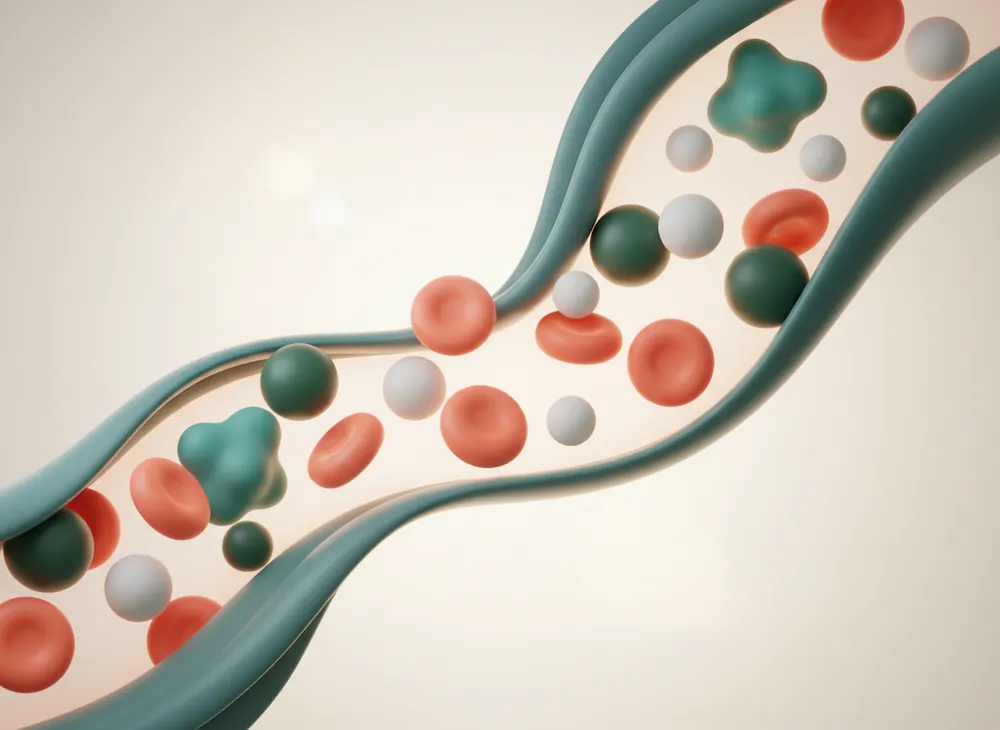
Acute promyelocytic leukaemia (APL) is a type of acute leukaemia in which immature blood cells "get stuck" at a particular stage. These cells release clotting substances, and the patient may come in with bruising, bleeding from the gums and nose, or bleeding in the brain; this bleeding is the biggest danger of the first days [5]. For years the only treatment was chemotherapy.
In 1988 doctors at the Shanghai Institute of Haematology tried something new: they gave 24 patients tretinoin, a drug from the vitamin A family. It forced the stuck cells to mature, and all the patients went into remission without their bone marrow being wiped out [1]. Later arsenic trioxide was added to this treatment.
Finally, a large Italian-German study showed that tretinoin with arsenic, without any chemotherapy, is better than the old treatment (tretinoin with chemotherapy): two years later almost all patients were alive and free of relapse [2], and it stayed that way years later [3].
Why every hour counts
Treatment today is so good that most APL deaths happen in the first days, before the drugs have fully taken effect. In the United States, one in 6 patients was found to die in the first days, and more among older people. The researchers said doctors who see the patient first need to recognise this disease better [4].
That is why the European guideline says tretinoin should start the moment the doctor suspects APL, before the genetic test result arrives, while low clotting factors and platelets are replaced at the same time [5].
What is treatment like?
When should you see a doctor straight away?
Unexplained bruises, bleeding from the gums or nose that will not stop, or tiny red spots on the skin, together with tiredness or fever, should be checked the same day; a simple blood count is the first step (symptoms of blood cancer). During treatment, report a severe headache, breathlessness, rapid weight gain or swelling straight away; it may be a sign of a complication that needs early treatment [5].
Frequently asked questions
Isn't arsenic poisonous?
Arsenic trioxide at an exact dose and under medical supervision is a standard APL drug, and in studies it caused less infection and fewer low blood counts than chemotherapy [2]. The ECG and blood salts are checked regularly during treatment [5].
Does APL come back?
Is APL the same as ordinary acute leukaemia?
No. APL is a special type of acute myeloid leukaemia with a completely different treatment; that is why diagnosing it quickly matters [5].
For physicians
Show detailsHide
With a suspicious peripheral blood or bone marrow smear (especially with DIC), start ATRA before PML::RARA confirmation; fibrinogen above 100 to 150 mg/dL, platelets above 30 to 50 thousand and INR below 1.5; avoid central catheters and lumbar puncture before and during induction [5]. APL0406 (low to intermediate risk): 2-year EFS 97% with ATRA + ATO versus 86% with ATRA + idarubicin [2]; confirmed at final follow-up [3]. SEER: early death 17.3%, and 24.2% at age 55 and over [4]. Doses: ATRA + arsenic trioxide · 10 cheap steps that save patients' lives.
Scientific evidence
Show detailsHide
Scientific evidence
1 itemRetinoic acid and arsenic trioxide for acute promyelocytic leukemia
Read more
Related cancer types
Treatment guides
References
5 referencesShow all references, 1 with a study cardClose the reference list
Numbers in the text, such as [1], refer to these sources. Sources with a “Study card” button are summarised in the site’s evidence library.
- 1
- 2
- 3
- 4
- 5
This page is based on reputable scientific sources and was last updated on 28 October 2026. The content of this website is for educational and informational purposes only and does not replace consultation, diagnosis or treatment by a specialist physician. Consult your treating physician about any treatment decision.
Printed from the website; the full and up-to-date version: https://drdabiri.com/en/articles/apl-treatment-without-chemotherapy/