Key points
- The first treatment for myeloma today is a combination of three or four new drugs; in suitable patients, together with a transplant of the patient's own cells [10].
- Adding daratumumab to treatment increased the number of patients alive 5 years after starting from 54 to 67 in every 100 [4].
- Maintenance drugs after a transplant controlled the disease more than twice as long [3].
- When the disease comes back, CAR-T cell therapy and antibodies that link immune cells to myeloma cells have had unprecedented results [7, 8].
Twenty years of change
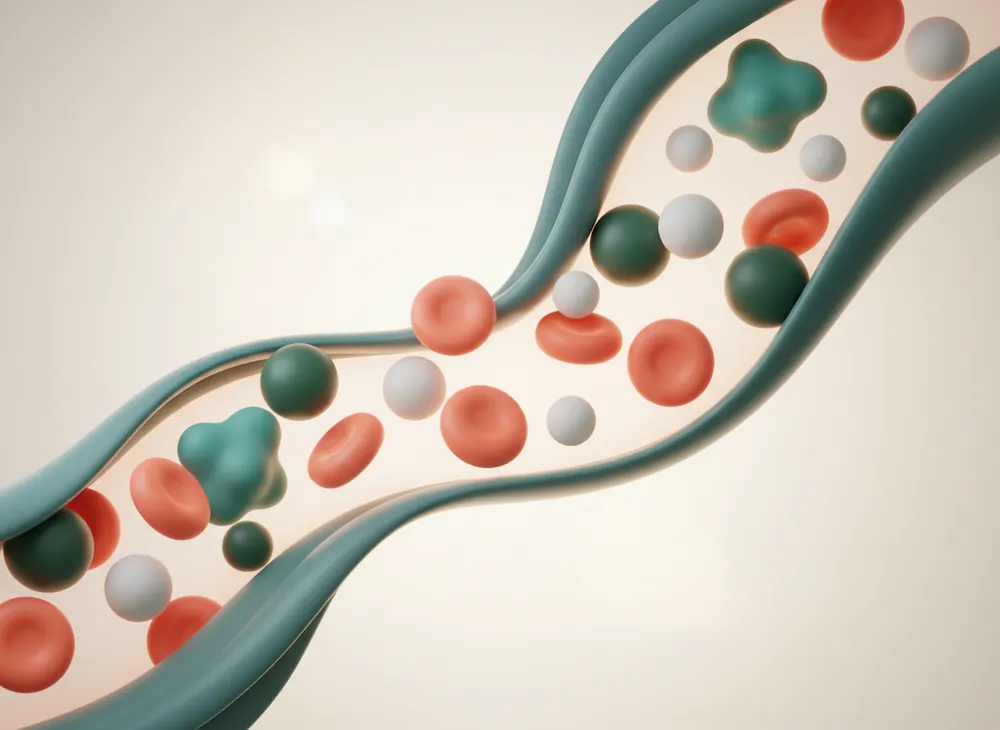
Multiple myeloma is a cancer of plasma cells, the antibody-making cells in the bone marrow, and it damages the bones, kidneys and blood. Until the early 2000s, most patients were treated with melphalan chemotherapy tablets and a steroid [2].
The first turning point was bortezomib. When the disease had come back, more patients responded to it and more survived [1]. When it was added to the first treatment of older people, complete response rose from 4 to 30 in every 100 [2]. Then came lenalidomide, which after a transplant kept the disease quiet more than twice as long and lengthened life [3].
The next turning point was the antibody daratumumab. In patients not having a transplant, adding it to two other drugs kept the disease quiet nearly twice as long, and more patients survived [4].
Today's treatment for newly diagnosed patients
- 1
If a transplant is suitable for you
Several cycles of a four-drug combination (daratumumab with bortezomib, lenalidomide and dexamethasone), then a transplant of your own cells and then a maintenance drug. With four drugs, four years later the disease had stayed quiet in most patients (more than 8 in 10); more than with three-drug treatment [5].
- 2
- 3
- 4
When the disease comes back
Myeloma usually comes back after a while, but today there are stronger options than ever. CAR-T cell therapy (the patient's own immune cells trained in the laboratory to find myeloma) greatly lengthened disease control in lenalidomide-resistant disease, and deaths were fewer [7]. Bispecific antibodies, such as teclistamab, which links immune cells to myeloma cells, together with daratumumab, kept the disease quiet for three years in most patients; with usual treatment, in only a third [8] (news of this study).
Smouldering myeloma: wait or treat?
"Smouldering myeloma" means tests show myeloma cells but no damage has been done to the body yet. Most of these patients are simply followed; but in high-risk people, daratumumab under the skin delayed progression to active myeloma, and more patients survived [9].
When should I call my doctor?
Report fever or shivering (infection is common and dangerous in myeloma) [11], new or severe bone pain, weakness or numbness in the legs, confusion or great thirst (a sign of high calcium) and passing less urine straight away.
Frequently asked questions
Can myeloma be cured?
Is a bone marrow transplant needed?
Why is there so much emphasis on infection and vaccines?
Myeloma and its treatments weaken the immune system; vaccines and medicines to prevent infection save patients' lives [11].
For physicians
Show detailsHide
APEX: 1-year survival 80% versus 66% [1]. VISTA: CR 30% versus 4% [2]. Lenalidomide maintenance meta-analysis: median PFS 52.8 versus 23.5 months [3]. MAIA: median PFS 61.9 versus 34.4 months, 60-month OS 66.6% versus 53.6% [4]. PERSEUS: D-VRd, 48-month PFS 84.3% versus 67.7%, MRD negativity 75.2% [5]. CEPHEUS: MRD negativity 60.9% versus 39.4% [6]. CARTITUDE-4: cilta-cel in lenalidomide-refractory disease, deaths 24% versus 39% [7]. MajesTEC-3: Tec-Dara, 36-month PFS 83.4% versus 29.7% [8]. AQUILA: high-risk smouldering myeloma [9]. EHA-EMN 2025 [10]; IMWG 2022 infection prevention [11]. Doses: regimens on the multiple myeloma page.
Scientific evidence
Show detailsHide
Scientific evidence
10 itemsBortezomib or High-Dose Dexamethasone for Relapsed Multiple Myeloma
Bortezomib plus Melphalan and Prednisone for Initial Treatment of Multiple Myeloma
Lenalidomide Maintenance After Autologous Stem-Cell Transplantation in Newly Diagnosed Multiple Myeloma: A Meta-Analysis
EHA–EMN Evidence-Based Guidelines for diagnosis, treatment and follow-up of patients with multiple myeloma
Daratumumab/lenalidomide/dexamethasone in transplant-ineligible newly diagnosed myeloma: MAIA long-term outcomes.
Daratumumab, Bortezomib, Lenalidomide, and Dexamethasone for Multiple Myeloma
Daratumumab plus bortezomib, lenalidomide and dexamethasone for transplant-ineligible or transplant-deferred newly diagnosed multiple myeloma: the randomized phase 3 CEPHEUS trial.
Daratumumab or Active Monitoring for High-Risk Smoldering Multiple Myeloma
Cilta-cel in lenalidomide-refractory multiple myeloma (CARTITUDE-4): an updated analysis including overall survival from an open-label, multicentre, randomised, phase 3 trial.
Teclistamab plus Daratumumab in Relapsed or Refractory Multiple Myeloma
Read more
Related cancer types
Treatment guides
References
11 referencesShow all references, 11 with a study cardClose the reference list
Numbers in the text, such as [1], refer to these sources. Sources with a “Study card” button are summarised in the site’s evidence library.
- 1Bortezomib or High-Dose Dexamethasone for Relapsed Multiple Myeloma
- 2
- 3
- 4
- 5
- 6
- 7
- 8
- 9Daratumumab or Active Monitoring for High-Risk Smoldering Multiple Myeloma
- 10
- 11
This page is based on reputable scientific sources and was last updated on 28 October 2026. The content of this website is for educational and informational purposes only and does not replace consultation, diagnosis or treatment by a specialist physician. Consult your treating physician about any treatment decision.
Printed from the website; the full and up-to-date version: https://drdabiri.com/en/articles/multiple-myeloma-new-treatments/