Key points
- A stem cell transplant is a process with several stages: assessment, finding a donor (for an allogeneic transplant), collecting the cells, the conditioning regimen, infusing the cells on "day zero" and then waiting for engraftment; the whole journey takes several months [1].
- Before the transplant, the function of the heart, lungs, liver and kidneys, hidden infections and dental health are checked; invasive dental work should ideally be finished at least 10 to 14 days before the conditioning regimen starts [2, 3].
- How well a donor matches is measured by the HLA tissue markers; a matched brother or sister is usually the best option, and without one, an unrelated donor, a half-matched family member or cord blood can be used instead [1, 4].
- To collect the cells, a stimulating medicine (such as filgrastim) is injected for a few days, and then an apheresis machine separates the stem cells from the blood over 4 to 6 hours [5, 6].
- Infusing the cells is like a blood transfusion and takes 1 to 5 hours; in transplants using the patient's own cells in myeloma, white blood cells usually came back about 12 days later [1, 7].
- If you are of reproductive age, talk to your doctor about freezing sperm, eggs or embryos before treatment starts [8].
- A committed companion (carer) is needed in most cases; in a careful study, palliative (supportive) care during the hospital stay lessened the fall in quality of life and brought less depression and anxiety [9, 10].
How is a transplant done?
The transplant journey usually takes several months; part of it is spent in hospital and part at home or near the transplant centre [1]. The transplant team counts the days in relation to the day the cells are infused: the infusion day is "day zero", the days before it have negative numbers (for example, in a common conditioning regimen the drugs are given from "day minus 7" to "day minus 2") and the days after it have positive numbers [1, 11].
The details of each stage depend on the type of transplant (autologous or allogeneic), the underlying disease and the treatment centre's practice; this guide explains the usual stages. For an overview of the types of transplant and what they are used for, see the main stem cell transplant page.
The transplant journey at a glance
- 1
- 2
- 3
Collecting the cells
Injections of a stimulating medicine and separating the cells with an apheresis machine, or collecting them from the bone marrow of the hip bone [5].
- 4
The conditioning regimen
One to two weeks of high-dose chemotherapy and sometimes radiotherapy [1].
- 5
Day zero
Infusing the cells through an IV catheter over 1 to 5 hours [1].
- 6
- 7
Discharge and follow-up
Visits two to three times a week after discharge; full recovery of immunity over several months (autologous) to 1 to 2 years (allogeneic) [1]. The rest of the journey is in the guide to after discharge.
Assessment and preparation before the transplant
The aim of the assessment before a transplant is to make sure the body is ready for high-dose treatment and to reduce preventable risks:
- Heart, lungs, liver and kidneys: an echocardiogram, lung function tests and blood tests are usually done. Doctors score the findings and other illnesses in the "haematopoietic cell transplantation comorbidity index" (HCT-CI); this index helps predict the risk of the transplant and guide counselling [2, 12].
- Infections: blood tests for viruses such as cytomegalovirus (CMV), herpes, chickenpox and Epstein-Barr, and for hepatitis B and C, are done so the right preventive medicines can be chosen [3].
- Mouth and teeth: mouth sores during the transplant can let germs into the blood; that is why a dental examination and treatment are recommended before the conditioning regimen, ideally with 10 to 14 days between invasive dental work (such as an extraction) and the start of the regimen [3].
- Fertility: transplant treatments can cause infertility [1]. Freezing sperm, eggs and embryos are the standard ways to preserve fertility, and this conversation should happen as early as possible and before treatment starts [8]. See the guide to fertility and sexual health.
- Chickenpox vaccine for those around you: family members and visitors who are not immune to chickenpox should be vaccinated as early as possible, preferably 4 to 6 weeks before the transplant; if they develop a rash after the vaccine, they should not have contact with the patient during conditioning [3].
- Practical and emotional preparation: the transplant team will talk with you about your carer, accommodation near the centre (sometimes needed after discharge) and the support you need [1, 9].
For physicians
Assessment before the transplant (for physicians)
- HCT-CI: in the derivation cohort, 62% of patients had a score above zero (versus 12% with the Charlson index), and prediction of non-relapse mortality and survival was better (c statistic 0.661 versus 0.561) [12]. Example definitions: EF ≤50% in adults (cardiac, 1 point); DLco and/or FEV1 of 66 to 80% or dyspnoea on slight activity (moderate pulmonary, 2 points) and ≤65% or dyspnoea at rest or needing oxygen (severe pulmonary, 3 points); creatinine above 2 mg/dL, dialysis or kidney transplant (2 points); cirrhosis, bilirubin above 1.5 times or AST/ALT above 2.5 times the upper limit (moderate/severe hepatic, 3 points) [2].
- Serology: CMV, HSV, VZV and EBV IgG in the recipient (and CMV and EBV in the donor) to set the risk and prevention plan; HBV and HCV screening in recipient and donor [3].
- Cell source: in the randomised BMT CTN 0201 trial (551 patients, unrelated donor), 2-year survival was 51% with peripheral blood cells and 46% with bone marrow (P=0.29); graft failure was 3% versus 9% and 2-year chronic GVHD 53% versus 41%, and neutrophil engraftment with peripheral blood came a median of 5 days earlier [13].
The donor and HLA matching in plain words
On the surface of most cells in the body there are proteins called HLA (human leukocyte antigens) that act like the cell's "identity card" and differ from person to person. The more alike the donor's and the patient's HLA, the more likely the donor cells are to be accepted and the lower the risk of GVHD [1].
The best donor is usually a matched brother or sister [1]. An international guideline estimates that about 25 to 30 percent of patients have a fully matched brother or sister [3]. If there is no such person, there are other options [4]:
| Type of donor | Explanation |
|---|---|
| Matched brother or sister | Usually the best option [1] |
| Matched unrelated donor | Found through donor registries; "fully matched" means identical at 10 HLA markers on detailed testing (HLA-A, HLA-B, HLA-C, HLA-DRB1 and HLA-DQB1). In mostly registry studies, results have been similar to a transplant from a matched brother or sister [4] |
| Half-matched family member (haploidentical) | A donor, often from the family, who differs from the patient in one HLA "haplotype"; with GVHD prevention using post-transplant cyclophosphamide, results in several retrospective studies have been similar to a matched donor [4] |
| Cord blood | Obtained from public cord blood banks; because the amount is small, it is used mostly for children or adults of low body weight [5] |
| Identical twin (syngeneic transplant) | Rarely possible [5] |
The donor is also examined before donating and tested for transmissible infections such as HIV and hepatitis B and C [3]. Side effects of donating are usually temporary [5]; see the frequently asked questions on the main transplant page.
Collecting the stem cells
From the blood (apheresis): the commonest method. Four to five days before collection, injections of a medicine such as filgrastim start, to increase the number of stem cells in the bloodstream [5]. Then blood flows through a central venous catheter or a large arm vein into a machine that separates the stem cells and returns the rest of the blood to the body; each session takes 4 to 6 hours, and if not enough cells are collected another session is needed [5]. In an autologous transplant this is done before high-dose treatment starts, and the cells are kept frozen until the transplant [5].
The stimulating medicine can cause flu-like symptoms, bone and muscle pain, headache, tiredness, nausea and poor sleep, which usually go away 2 to 3 days after the last dose [5, 6]. During apheresis you may feel light-headed, shivery, numb around the lips or have cramps in your hands; tell the nurse straight away about these symptoms [5].
If not enough cells move into the blood, your doctor may add a medicine called plerixafor; in the registration studies of this drug, adding it to filgrastim significantly increased the proportion of patients who reached the collection target [14].
From the bone marrow: collected with a needle from the hip bone under general anaesthetic, taking one to one and a half hours; the collection site may be sore or stiff for a few days [5].
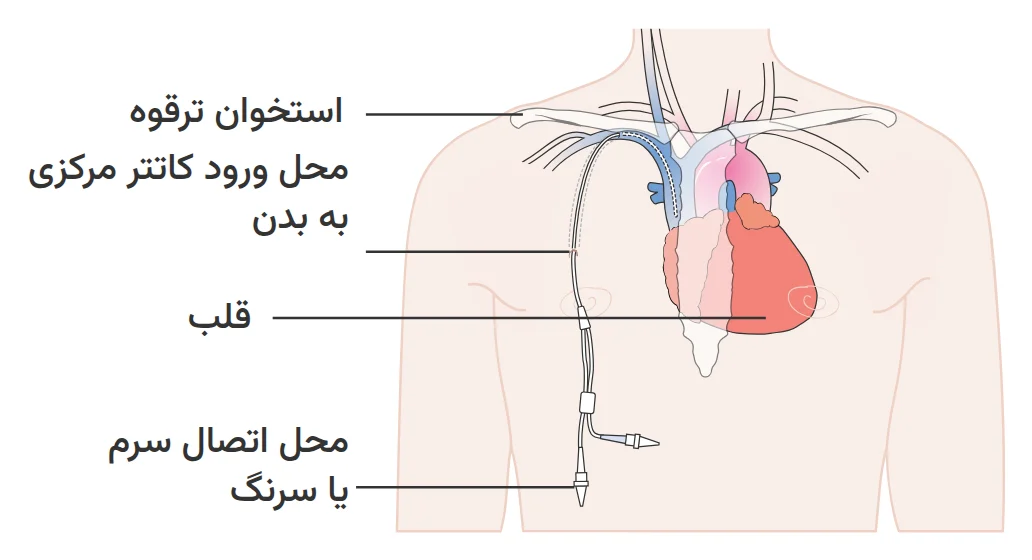
The central venous catheter
Medicines, blood products and the stem cells themselves are given through an IV catheter [1], and in transplant patients a central venous catheter is used: a thin tube placed in one of the large veins [3]. Sometimes apheresis is also done through a central venous catheter [5].
A catheter can let germs into the blood; that is why it is inserted under fully sterile conditions and cared for with hand washing and disinfection [3]. Keep the area around the catheter clean and dry, and report redness, swelling, pain or discharge at the catheter site straight away [15].
The conditioning regimen
Show detailsHide
The conditioning regimen is high-dose chemotherapy and sometimes total body irradiation, lasting one to two weeks, after which the cells are infused following a few days' rest [1]. Its aim is to destroy remaining cancer cells and, in an allogeneic transplant, to suppress the immune system to prevent rejection of the donor cells [1].
Regimens differ in intensity [16]:
- Myeloablative (full intensity): shuts down the bone marrow irreversibly, and stem cell infusion is essential.
- Reduced intensity: lowers blood counts for a variable length of time and is given with stem cells; these regimens are used mostly for people over 50 and people with serious other illnesses [13].
- Non-myeloablative: lowers blood counts only slightly.
A more intensive regimen usually means less relapse but more treatment-related complications [17]; the transplant team chooses the regimen based on the type of disease, age, other illnesses and the type of transplant. Common side effects at this stage, such as nausea, mouth sores, diarrhoea and hair loss, are covered in the guide to complications during the transplant.
For physicians
Regimen intensity and evidence (for physicians)
- Working definitions: myeloablative = irreversible cytopenia definitely needing stem cell support; non-myeloablative = minimal cytopenia that can be given without stem cell support; RIC = in between, with cytopenia of variable duration that must be given with stem cells [16].
- BMT CTN 0901: in 272 patients aged 18 to 65 with AML or MDS, HCT-CI ≤4 and bone marrow blasts below 5%, enrolment was stopped early because of more relapse with RIC (relapse 48.3% vs 13.5%); 18-month survival was 67.7% with RIC versus 77.5% with MAC (P=0.07), treatment-related mortality 4.4% versus 15.8% and relapse-free survival 47.3% versus 67.8%; the authors regarded MAC as the standard for patients able to tolerate it [17].
- Myeloma: total body irradiation should not be used in conditioning, because it increases toxicity without noticeable benefit [4].
- RIC regimens allowed in BMT CTN 1703 (total doses): fludarabine 120 to 180 mg/m² + busulfan (at most 8 mg/kg oral or 6.4 mg/kg IV); fludarabine 120 to 180 mg/m² + melphalan (at most 150 mg/m²); fludarabine 90 to 120 mg/m² + cyclophosphamide (120 mg/kg or 2250 mg/m²); fludarabine 90 mg/m² + TBI 200 cGy; or fludarabine 150 mg/m² + TBI 200 cGy + cyclophosphamide 29 to 50 mg/kg. The target CD34+ cell dose was 2 to 10 million per kg of actual body weight [18].
Day zero: infusing the cells
After the conditioning regimen ends and a few days' rest, the stem cells are infused through an IV catheter; this is like a blood transfusion and takes 1 to 5 hours. Once in the bloodstream, the cells find their own way to the bone marrow [1].
Cells that have been frozen (such as cells for an autologous transplant) are kept with a protective substance called DMSO [5, 19]. This substance can cause shivering, nausea, vomiting, tummy ache, cough, breathlessness or changes in blood pressure and heart rate during the infusion [20]; in a European study, side effects were more common in patients who received more DMSO [19]. Tell the nurse straight away about any unpleasant feeling during this time. Part of the DMSO is turned into a compound that is breathed out and smells like garlic [20].
Engraftment and the hospital stay
Engraftment means the new cells settle in the bone marrow and start making blood again. The transplant team knows this from daily blood tests: when white blood cells rise high enough for several days in a row [7].
Its timing depends on the type of transplant: in transplants using the patient's own cells in myeloma, white blood cells and platelets usually came back about 2 weeks after the infusion [7]; cells taken from a donor's blood usually settle in a few days sooner than bone marrow cells [13]. Sometimes the doctor gives filgrastim injections so white blood cells come back sooner [6].
Until engraftment happens (usually 2 to 6 weeks), white cells are low and the mouth and gut are damaged, so the risk of infection is high [3]. That is why patients stay in special rooms with filtered air [3]. During these days, platelet and blood transfusions, medicines to prevent infection and sometimes extra nutritional support are usually needed [21, 22, 23].
Things you can do yourself
Hand hygiene
Washing your hands often or using an alcohol hand rub is the most important way to prevent infection in hospital; ask your companions and visitors to clean their hands before and after every visit too [3].
Mouth care
During conditioning and until mouth sores heal, rinse your mouth 4 to 6 times a day with sterile water, saline or a baking soda solution and clean your teeth 2 to 3 times a day with a soft toothbrush; if you have dentures, wear them only when eating [3]. See the guide to mouth sores.
Moving every day
Enough nutrition
Tell your care team about poor appetite, nausea and mouth sores. Guidelines recommend weekly nutrition checks during the transplant, and if eating is not enough, nutritional counselling, oral supplements or tube or IV feeding are considered [23].
Healthy visitors
People who have a fever, a cold, flu symptoms, diarrhoea or vomiting, or who have recently been in contact with chickenpox, measles, mumps or whooping cough, should not visit. Do not bring flowers or plants (fresh or dried) into the patient's room [3].
Emotional and psychological support
The transplant period is physically and emotionally hard; patients admitted for a transplant experience significant physical and psychological symptoms and a fall in quality of life [10]. Feeling anxious, sad, tired and lonely is understandable; talk about these feelings with your care team.
In a careful study of 160 patients having autologous and allogeneic transplants, visits from the palliative (supportive) care team at least twice a week during the hospital stay, focused on controlling physical and psychological symptoms, meant quality of life fell less two weeks after the transplant, depression rose less and anxiety was lower; three months later quality of life was still better and depression lower [10]. Palliative care in this sense means help with controlling symptoms such as pain, nausea, poor sleep and worry alongside transplant treatment [10].
Regular exercise may also reduce depression a little [24]. If sadness or worry is stopping you sleeping, eating or taking part in treatment, ask for a psychology or psychiatry consultation.
The role of family and carers
In most cases, having a companion or carer (a partner, parents, children, brothers and sisters or a friend) is a necessary and important part of the transplant process [9]. In centres that do transplants as outpatients, a carer is usually needed around the clock in the period after the transplant [9]. A carer's usual tasks [9]:
- helping with taking medicines on time;
- measuring vital signs (such as temperature) and recording fluids drunk and urine passed, if the care team asks;
- getting the home ready to prevent infection;
- taking the patient to the transplant centre several times a week after discharge;
- giving the patient emotional support.
Caring for a transplant patient brings a lot of physical and emotional strain, especially in the first 100 days after the transplant [9]. Carers also need to rest, accept help from others and use psychological support if needed; in the study mentioned above, carers of patients who received palliative care had a smaller rise in depression [10].
Medicines at this stage
Show detailsHide
Treatment regimens and doses: index4 regimens
Common medicines before and during the transplant
White cell growth factor (filgrastim)
Given to move stem cells into the blood before apheresis, and sometimes after the transplant to shorten the period of neutropenia; the commonest side effects at the collection stage are bone pain, fever and headache [6]. Filgrastim drug page
Plerixafor
Together with filgrastim, it increases the release of stem cells from the bone marrow and is injected under the skin about 11 hours before each apheresis session [14].
Conditioning regimen drugs
Drugs such as melphalan, busulfan, cyclophosphamide and fludarabine, alone or together and sometimes with total body irradiation, chosen according to the disease and type of transplant [7, 11, 18].
Anti-sickness medicines
Before high-dose chemotherapy, a combination of three medicines (a 5-HT3 antagonist such as ondansetron, dexamethasone and aprepitant) is recommended, and olanzapine may also be added [27]. Nausea and vomiting guide
Preventing infection
Preventing GVHD (allogeneic only)
Immunosuppressive medicines, such as a calcineurin inhibitor (tacrolimus or ciclosporin) with methotrexate, or post-transplant cyclophosphamide with tacrolimus and mycophenolate mofetil, and in some transplants antithymocyte globulin (ATG) [18, 28]. Details in the guide to complications during the transplant.
- Filgrastim and plerixafor: splenic rupture (sometimes fatal) has been reported; assess a patient with left upper abdominal pain or shoulder or shoulder-blade pain for an enlarged or ruptured spleen. Breathlessness during filgrastim can be a sign of acute respiratory distress syndrome [6, 14].
- Busulfan: seizure prophylaxis with an anticonvulsant (such as a benzodiazepine, phenytoin, valproate or levetiracetam) from 12 hours before the first dose until 24 hours after the last dose; antiemetics before the first dose and on a fixed schedule [11].
- High-dose melphalan: nausea, vomiting, mucositis and diarrhoea occur in more than 50% of patients, and antiemetic prophylaxis is needed; with weight above 130% of ideal body weight, calculate body surface area from adjusted ideal body weight [7]. Oral cryotherapy is recommended to prevent mucositis [29].
- Plerixafor in kidney impairment: with creatinine clearance ≤50 mL/min, reduce the dose to 0.16 mg/kg (at most 27 mg a day) [14].
For physicians
Stem cell collection and conditioning regimens: doses and schedules
Stem cell mobilisation with filgrastim
Mobilising the patient's own (autologous) peripheral blood stem cells for collection by leukapheresisCycle length: Daily
Mobilising the patient's own (autologous) peripheral blood stem cells for collection by leukapheresis
Before prescribing: Shared safety points| Drug | Dose | Route | Schedule |
|---|---|---|---|
| Filgrastim | 10 µg/kg a day | Subcutaneous | Daily; at least 4 days before the first leukapheresis and until the last leukapheresis |
The optimal duration of treatment and leukapheresis schedule have not been established; giving it for 6 to 7 days with leukapheresis on days 5, 6 and 7 has been safe and effective. Common side effects during mobilisation: bone pain, fever and headache. Keep splenic rupture and acute respiratory distress syndrome in mind [6].
Filgrastim + plerixafor
Autologous stem cell mobilisation in non-Hodgkin lymphoma and multiple myelomaCycle length: Daily
Autologous stem cell mobilisation in non-Hodgkin lymphoma and multiple myeloma
Before prescribing: Shared safety points| Drug | Dose | Route | Schedule |
|---|---|---|---|
| Filgrastim | 10 µg/kg | Subcutaneous | Every morning for 4 days before the first plerixafor dose and then every morning before apheresis |
| Plerixafor | Weight ≤83 kg: a fixed 20 mg or 0.24 mg/kg; weight above 83 kg: 0.24 mg/kg of actual body weight; at most 40 mg a day | Subcutaneous | About 11 hours before each apheresis starts; at most 4 consecutive days |
Creatinine clearance ≤50 mL/min: a fixed 13 mg or 0.16 mg/kg (weight ≤83 kg) and 0.16 mg/kg (weight above 83 kg); at most 27 mg a day. In the registration trials, 59% of patients with non-Hodgkin lymphoma on this combination reached ≥5 million CD34+ cells per kg in 4 or fewer apheresis sessions (versus 20% with placebo + filgrastim), and 72% of patients with myeloma reached ≥6 million CD34+ cells per kg in 2 or fewer sessions (versus 34%). Keep in mind vasovagal reactions in the first hour after injection and an enlarged or ruptured spleen [14].
High-dose melphalan (200 mg/m²)
Conditioning regimen before autologous transplant in multiple myelomaCycle length: One course
Conditioning regimen before autologous transplant in multiple myeloma
Before prescribing: Shared safety points| Drug | Dose | Route | Schedule |
|---|---|---|---|
| Melphalan (Evomela product) | 100 mg/m² a day | IV infusion over 30 minutes through a port or central venous catheter | Days −3 and −2; cells infused on day zero |
With weight above 130% of ideal body weight, calculate body surface area from adjusted ideal body weight. Antiemetic prophylaxis is needed. In a single-arm trial of 61 patients, diarrhoea occurred in 93% and nausea in 90%, grade 3 or 4 mucositis was 13%, and median neutrophil engraftment was 12 days and platelet engraftment 13 days; engraftment syndrome was more common in patients aged 65 and over (28% vs 7%) [7]. Oral cryotherapy is recommended to prevent mucositis [29].
Busulfan + cyclophosphamide (BuCy)
Myeloablative conditioning regimen before allogeneic transplant (label indication: chronic myeloid leukaemia)Cycle length: One course
Myeloablative conditioning regimen before allogeneic transplant (label indication: chronic myeloid leukaemia)
Before prescribing: Shared safety points| Drug | Dose | Route | Schedule |
|---|---|---|---|
| IV busulfan | 0.8 mg/kg (ideal body weight or actual weight, whichever is lower) | 2-hour IV infusion through a central venous catheter | Every 6 hours, 16 doses on days −7 to −4 |
| Cyclophosphamide | 60 mg/kg a day | 1-hour IV infusion | Days −3 and −2 (starting at least 6 hours after the sixteenth busulfan dose) |
Seizure prophylaxis with an anticonvulsant from 12 hours before the first busulfan dose until 24 hours after the last dose; antiemetics on a fixed schedule. In obese or severely obese patients, calculate the dose on adjusted ideal body weight: ideal weight + 0.25 × (actual weight − ideal weight) [11]. The combination of busulfan and cyclophosphamide increases the risk of hepatic sinusoidal obstruction syndrome [25].
Doses follow the trial protocol, guideline or official drug label (source given in the notes of each regimen). Before prescribing, check blood counts, renal and hepatic function, drug interactions and the patient’s condition, and adjust the dose according to the drug label.
When should I call my doctor?
In the days before admission (assessment, cell collection and the days when you have a catheter) and on the transplant unit, tell the transplant team straight away about these symptoms:
- A temperature of 38 °C or higher, shivering, a cough or sore throat; call your doctor before taking fever medicine [15].
- Redness, swelling, pain or discharge at the catheter site [15].
- Pain in the upper left part of the tummy, shoulder or shoulder-blade pain, or breathlessness on the days you are having filgrastim or plerixafor injections [6, 14].
- Numbness around the lips, cramps in the hands, light-headedness or shivering during apheresis; tell the nurse straight away [5].
- Bleeding that does not stop after a few minutes, red urine or black stools [30].
- On the day the cells are infused: shivering, breathlessness, nausea or any new unpleasant feeling [20].
Frequently asked questions
Is collecting the cells painful?
Apheresis is like giving blood with a machine and takes 4 to 6 hours; you may feel some discomfort, light-headedness, shivering, numbness around the lips or cramps in the hands. Collection from the bone marrow is done under general anaesthetic, and the site is sore for a few days [5].
Why do I need to see a dentist before the transplant?
Mouth sores from chemotherapy can let mouth bacteria into the blood and cause a dangerous infection. Treating decayed or infected teeth before the transplant lowers this risk, and there should ideally be at least 10 to 14 days between dental surgery and the start of the conditioning regimen [3].
Can I have children after a transplant?
Transplant treatments can cause infertility [1]. Freezing sperm, eggs and embryos are the standard ways to preserve fertility, and decisions about them should be made before treatment starts [8]. See the guide to fertility and sexual health.
Is a garlic smell normal on infusion day?
Yes; the protective substance for frozen cells (DMSO) is turned in the body into a compound that is breathed out and smells like garlic [20].
How long will I stay in hospital?
If I do not have a matched brother or sister, is a transplant impossible?
It may still be possible. A 10/10 matched unrelated donor, a half-matched family member (with GVHD prevention using post-transplant cyclophosphamide) and cord blood are alternative options; results of these transplants are improving and in studies have in many cases come close to a transplant from a matched brother or sister [4].
Can I have visitors during my hospital stay?
Yes, following the transplant centre's rules: visitors must be healthy, clean their hands before and after the visit and not bring flowers or plants [3].
Related cancer types
References
30 referencesShow all references, 4 with a study cardClose the reference list
Numbers in the text, such as [1], refer to these sources. Sources with a “Study card” button are summarised in the site’s evidence library.
- 1
- 2
- 3
- 4
- 5
- 6
- 7
- 8
- 9
- 10
- 11
- 12
- 13
- 14
- 15
- 16
- 17
- 18
- 19
- 20
- 21Platelet Transfusion: A Clinical Practice Guideline From the AABB
- 22Antimicrobial Prophylaxis for Adult Patients With Cancer-Related Immunosuppression: ASCO and IDSA Clinical Practice Guideline Update
- 23
- 24
- 25
- 26Engraftment Syndrome after Autologous Stem Cell Transplantation: An Update Unifying the Definition and Management Approach
- 272023 updated MASCC/ESMO consensus recommendations: prevention of nausea and vomiting following multiple-day chemotherapy, high-dose chemotherapy, and breakthrough nausea and vomiting
- 28Prophylaxis and management of graft-versus-host disease after stem-cell transplantation for haematological malignancies: updated consensus recommendations of the European Society for Blood and Marrow Transplantation
- 29MASCC/ISOO clinical practice guidelines for the management of mucositis secondary to cancer therapy
- 30Bleeding and Bruising (Thrombocytopenia) and Cancer Treatment
This page is based on reputable scientific sources and was last updated on 28 October 2026. The content of this website is for educational and informational purposes only and does not replace consultation, diagnosis or treatment by a specialist physician. Consult your treating physician about any treatment decision.
Printed from the website; the full and up-to-date version: https://drdabiri.com/en/guides/transplant-journey/