Key points
- Mucositis is inflammation and ulceration of the lining of the mouth and throat that happens with some chemotherapy, immunotherapy, head and neck radiotherapy and stem cell transplant [1, 8].
- See a dentist before treatment starts and have any necessary dental work done [1].
- Gentle brushing with a very soft toothbrush after every meal and before bed, and rinsing the mouth often with a solution of warm water, baking soda and salt are recommended [1]; the MASCC/ISOO guideline considers multi-part oral care programmes helpful [3].
- Sucking ice during the infusion (oral cryotherapy) is recommended for patients having fast (bolus) injections of 5-fluorouracil or high-dose melphalan [4].
- In stem cell transplant and head and neck radiotherapy, low-level laser (photobiomodulation) with specific protocols is recommended for prevention [5].
- A temperature of 38 °C or higher, or pain that stops you eating, drinking or sleeping, needs an urgent call to your care team [1].
Why does cancer treatment cause mouth sores?
The cells lining the mouth and gut divide and are replaced quickly. Chemotherapy and radiotherapy damage these cells too, so the lining of the mouth becomes thin, inflamed and sore [8]. Head and neck radiotherapy can also damage the salivary glands and make chewing and swallowing difficult [1].
Common mouth problems during cancer treatment include [1]:
- Pain, swelling and sores in the mouth (mucositis)
- Mouth infections
- Dry mouth
- Changes in taste or smell
- Sensitivity to cold or hot foods
- Difficulty swallowing and tooth decay
Some targeted drugs also cause mouth sores; for example, everolimus, which is used in breast cancer [7]. Mouth problems become serious when they stop you eating and drinking, because they can lead to dehydration and malnutrition [1].
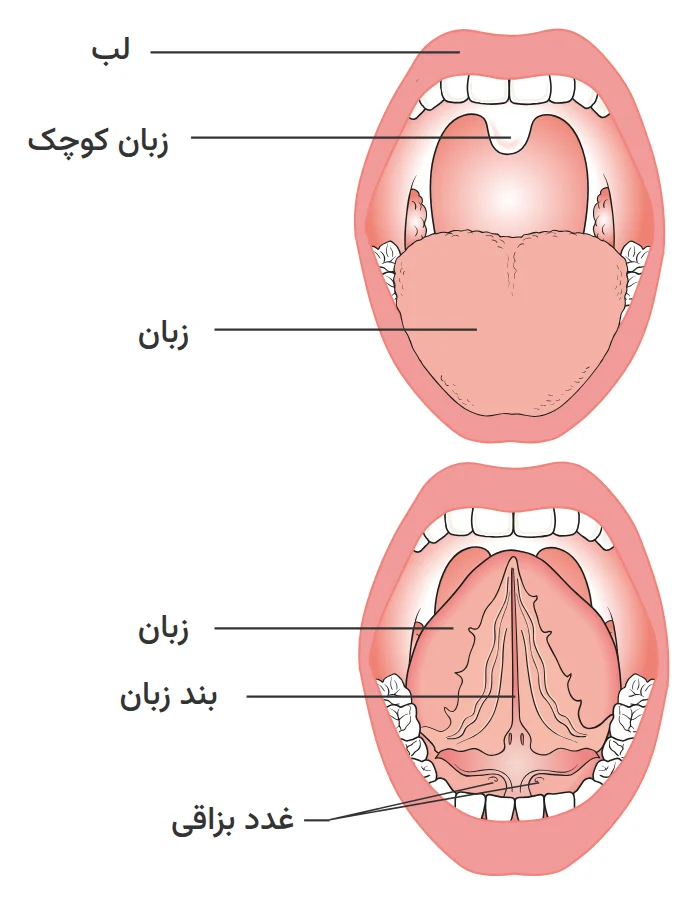
Daily mouth care
Mouth care plan
- 1
Before treatment: see a dentist
Go to the dentist for a clean and a check-up, tell them about your cancer treatment, and have any dental work done before treatment starts if you can [1].
- 2
Look in your mouth every day
Check your mouth every day for sores or white patches, and tell your doctor or nurse early about any change, pain or sensitivity [1].
- 3
A soft, gentle toothbrush
Gently clean your teeth, gums and tongue after every meal and before bed with a very soft toothbrush or a cotton bud. If you are at risk of bleeding, ask your care team about flossing [1].
- 4
A simple mouth rinse
Rinse your mouth during the day with a solution of warm water, baking soda and salt, and ask your nurse to write down the exact recipe for you [1]. Ask your care team before using shop-bought mouthwashes, especially those containing alcohol.
- 5
Ice during the infusion (if your doctor advises it)
If you are having 5-fluorouracil as a fast injection, or high-dose melphalan before a transplant, sucking ice chips during the infusion prevents mouth sores [4]. The cold reduces blood flow in the mouth so less drug reaches the lining of the mouth.
- 6
No tobacco or alcohol
Cigarettes, waterpipes (shisha) and other tobacco, and alcoholic drinks irritate the lining of the mouth and should be stopped [1].
When your mouth is sore
Soft, moist food
Choose soft, moist foods that are easy to swallow; soften dry foods with sauce, gravy or liquids, and use a blender to make shakes or puréed food [1].
Foods to avoid
Crunchy and hard, salty, spicy and very sweet foods, and alcoholic drinks irritate the sores [1]. Let very hot food cool down a little too.
Numbing medicine
Ask your doctor about lozenges or numbing sprays that reduce pain when you eat [1].
If your mouth is dry
Take sips of water regularly, suck ice chips or sugar-free sweets, chew sugar-free gum and use a lip balm. A dry mouth raises the risk of tooth decay and infection [1].
What can your doctor do?
Show detailsHide
| Method | In which patients | Evidence |
|---|---|---|
| Multi-part oral care programme | Chemotherapy, head and neck radiotherapy, stem cell transplant | Suggested by the MASCC/ISOO guideline [3] |
| Oral cryotherapy | Bolus 5-fluorouracil; high-dose melphalan before autologous transplant | Recommended by MASCC/ISOO [4] |
| Photobiomodulation (low-level laser) | Stem cell transplant; head and neck radiotherapy with or without chemotherapy | Recommended for prevention with specific protocols [5] |
| Palifermin (a growth factor for lining cells) | Autologous transplant after total body irradiation and high-dose chemotherapy | Reduced severe mouth sores in a careful study [6] |
| Alcohol-free dexamethasone mouthwash | Women having everolimus and exemestane | In a small study, moderate and severe mouth sores were far fewer than in earlier patients [7] |
| Chlorhexidine mouthwash | Head and neck radiotherapy | Not recommended for prevention [3] |
The choice of method depends on your type of treatment; talk to your oncologist.
For physicians
Guideline summary for physicians
- MASCC/ISOO 2020, based on evidence from 1197 papers, issued 13 new guidelines and confirmed 11 earlier ones; the recommendations depend on the type of treatment (chemotherapy, head and neck radiotherapy, transplant) [2]. Among them, benzydamine mouthwash is recommended to prevent mucositis in moderate-dose head and neck radiotherapy [2].
- Multi-part oral care programme: suggested by MASCC/ISOO (level of evidence III) in chemotherapy, head and neck radiotherapy and stem cell transplant [3].
- Cryotherapy: the level of evidence for autologous transplant with high-dose melphalan was upgraded to a "recommendation", and the recommendation for bolus 5-FU was confirmed; no guideline was possible for other settings [4].
- Photobiomodulation: recommended to prevent mucositis and related pain in HSCT, head and neck radiotherapy and head and neck chemoradiotherapy, and all parameters of the chosen protocol must be followed; there is insufficient evidence for treating established mucositis or chemotherapy-induced mucositis [5].
- Palifermin: in a double-blind trial (212 patients, total body irradiation and high-dose chemotherapy before autologous transplant), 60 µg/kg a day IV for three days before conditioning and three days after transplant reduced WHO grade 3 or 4 mucositis from 98% to 63% and the need for parenteral nutrition from 55% to 31% [6].
- mTOR inhibitor stomatitis: in the phase 2 SWISH study, an alcohol-free dexamethasone 0.5 mg/5 mL mouthwash (10 mL, swished for 2 minutes and spat out, 4 times a day for 8 weeks) reduced grade ≥2 stomatitis to 2%, versus 33% in the historical comparison group [7].
Myths and facts
| Common belief | Fact |
|---|---|
| When my mouth is sore, I should not brush my teeth. | Keeping your mouth clean is very important; clean gently with a very soft toothbrush or a cotton bud [1, 3]. |
| Any antiseptic mouthwash is better. | Chlorhexidine is not recommended to prevent mucositis in head and neck radiotherapy [3]; a simple solution of water, salt and baking soda is often enough [1]. |
| Mouth sores are just uncomfortable and not dangerous. | If they stop you eating and drinking they can lead to dehydration and malnutrition, and with a fever they need urgent assessment [1]. |
When should I call my doctor?
- A temperature of 38 °C or higher; during chemotherapy this is an emergency [1, 9].
- Pain in the mouth, lips or throat that stops you eating, drinking or sleeping [1].
- You cannot drink enough fluids or swallow your medicines; there is a risk of dehydration [1].
- White patches or a white coating on the tongue and mouth, or new sores; this may be a sign of infection [1, 9].
Frequently asked questions
How can I cope with changes in the taste of food?
Try different foods and cold foods. If food tastes bland, flavour it with herbs, spices or sauces; if it tastes metallic, use plastic cutlery and dishes; if red meat tastes strange, have chicken, eggs, fish, beans and lentils or dairy foods instead [1].
What is low-level laser and does it hurt?
Photobiomodulation means shining low-power laser or light onto the lining of the mouth; it is recommended to prevent mucositis in stem cell transplant and head and neck radiotherapy [5]. It should be done with a precise protocol in an equipped centre.
Related cancer types
Related guides
References
9 referencesShow all references, 7 with a study cardClose the reference list
Numbers in the text, such as [1], refer to these sources. Sources with a “Study card” button are summarised in the site’s evidence library.
- 1
- 2MASCC/ISOO clinical practice guidelines for the management of mucositis secondary to cancer therapy
- 3
- 4
- 5
- 6Palifermin for Oral Mucositis after Intensive Therapy for Hematologic Cancers
- 7
- 8Management of oral and gastrointestinal mucosal injury: ESMO Clinical Practice Guidelines for diagnosis, treatment, and follow-up
- 9
This page is based on reputable scientific sources and was last updated on 28 October 2026. The content of this website is for educational and informational purposes only and does not replace consultation, diagnosis or treatment by a specialist physician. Consult your treating physician about any treatment decision.
Printed from the website; the full and up-to-date version: https://drdabiri.com/en/guides/mouth-sores/