There is no fixed number of chemotherapy sessions; it depends on the type and stage of the cancer, the drugs, the aim of treatment (cure, control or easing symptoms) and how your body responds [1]. Chemotherapy is usually given in "cycles": a few days of treatment followed by rest so that healthy cells can recover [1]. For example, treatment after surgery for stage 3 bowel cancer is usually 3 or 6 months, treatment for low-risk lymphoma 4 to 6 cycles, and chemotherapy for prostate cancer that has spread 6 cycles [2, 3, 4].
What does a chemotherapy "cycle" mean?
Most patients receive chemotherapy in cycles. Each cycle includes a period when the drug is given, followed by a rest period so the body has a chance to recover and make new healthy cells [1]; for example, one week of treatment and three weeks of rest make up a 4-week cycle [1]. So the "number of sessions" is not the same as the "number of cycles": one cycle may involve one day of infusion or several days of treatment.
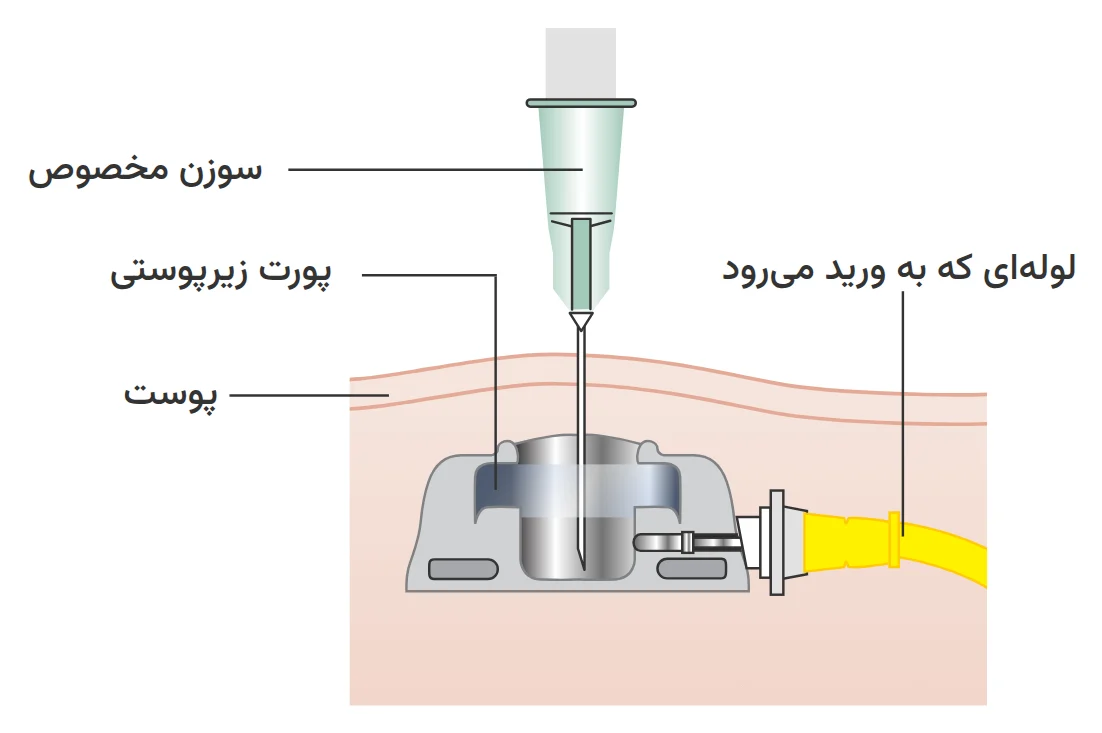
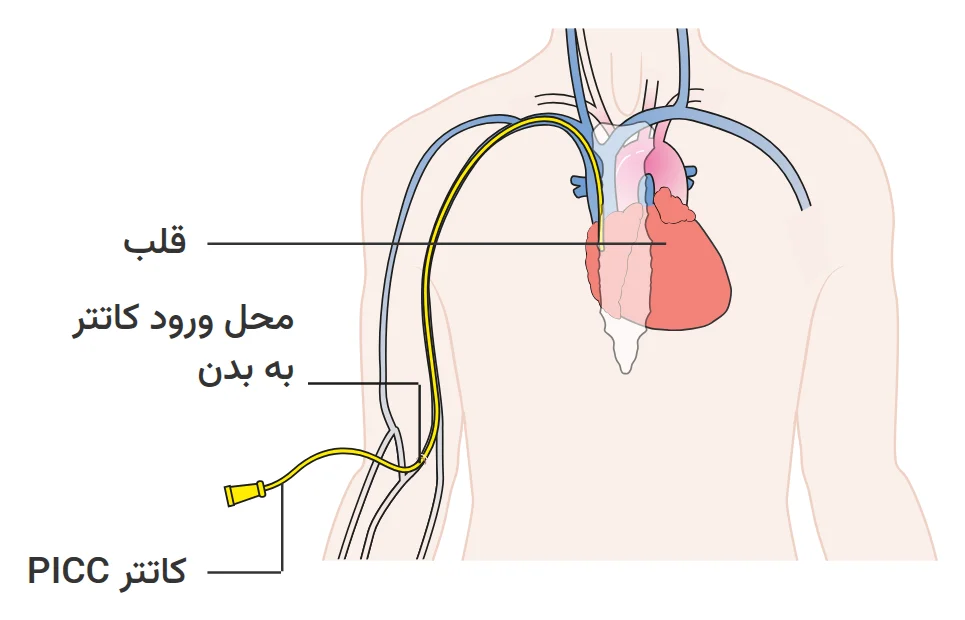
Chemotherapy is mostly given intravenously (by drip), but there are also tablets, injections under the skin or into a muscle, and other routes. Some patients receive treatment through a port or catheter, and sometimes with a portable pump at home [1].
How many cycles? Examples from large studies
| Situation | Treatment | Length | What was shown |
|---|---|---|---|
| Stage 3 bowel cancer after surgery | CAPOX or FOLFOX | 3 or 6 months | In lower-risk patients, 3 months of CAPOX was as effective as 6 months [2] |
| Low-risk B-cell lymphoma (age 18 to 60, stage 1 or 2) | R-CHOP every 3 weeks | 4 or 6 cycles | 4 cycles were as good as 6 cycles, with fewer side effects [3] |
| Prostate cancer that has spread | Docetaxel with hormone therapy | 6 cycles, every 3 weeks | Patients lived about a year longer [4] |
This table is for information only; the treating doctor decides each patient's plan.
For physicians
Why is shorter treatment sometimes enough? In colorectal cancer, oxaliplatin causes cumulative neurotoxicity, and shortening treatment can reduce side effects and cost. In the IDEA analysis of more than 12,000 patients, in lower-risk patients (T1 to T3 and N1) 3-year disease-free survival was 83.1% with 3 months of treatment and 83.3% with 6 months; but in higher-risk patients (T4 or N2), six months of treatment was superior [2]. In the FLYER trial, reducing the number of cycles was also associated with less haematological and non-haematological toxicity [3].
What might change the plan?
- Blood counts: during a chemotherapy cycle there are times when the number of white blood cells (neutrophils) is low; this is why blood tests are done before cycles [5].
- Side effects: it is best not to miss any treatment, but sometimes the doctor changes the plan because of side effects and explains when treatment will restart [1].
- Response to treatment: examinations, blood tests and scans (MRI, CT or PET) show whether treatment is working [1].
When should I see a doctor straight away?
If during chemotherapy you have a temperature of 38 °C or higher, chills, a cough or sore throat, diarrhoea, burning or blood in the urine, sores or a white coating in the mouth, or redness and swelling where a catheter enters the skin, contact your treatment team straight away. Infection during treatment can be life-threatening; talk to your doctor before taking any medicine for fever (even paracetamol or ibuprofen), because it may hide the signs of a serious problem [5].
Related questions
If a chemotherapy session is delayed, will the treatment stop working?
It is best not to miss a session, but sometimes the doctor changes the plan because of side effects; in that case the treatment team will explain what to do and when to restart [1].
Do more side effects mean chemotherapy is working better?
No. Side effects are not related to how well chemotherapy is working against the cancer; having no side effects does not mean the treatment is not working [1].
Can I work during chemotherapy?
Many people can, as long as they adjust their work to how they feel; for example working part-time or from home on harder days [1].
Scientific evidence
Key studies in the evidence library
2 itemsDuration of Adjuvant Chemotherapy for Stage III Colon Cancer
Chemohormonal Therapy in Metastatic Hormone-Sensitive Prostate Cancer
Related cancer types
Related questions
References
5 referencesShow all references, 3 with a study cardClose the reference list
Numbers in the text, such as [1], refer to these sources. Sources with a “Study card” button are summarised in the site’s evidence library.
- 1
- 2
- 3
- 4Chemohormonal Therapy in Metastatic Hormone-Sensitive Prostate Cancer
- 5
This page is based on reputable scientific sources and was last updated on 28 October 2026. The content of this website is for educational and informational purposes only and does not replace consultation, diagnosis or treatment by a specialist physician. Consult your treating physician about any treatment decision.
Printed from the website; the full and up-to-date version: https://drdabiri.com/en/questions/how-many-chemo-sessions/