In practice, no; the chance that a biopsy or surgery makes cancer spread to other parts of the body is very low, and doctors use standard methods to prevent it [1]. "Seeding" of tumour cells along the needle track is real but rare [2]; for example, in one review it was seen in about 3 in every 100 patients after a biopsy of liver cancer [6]. In most cases, cancer cannot be confirmed without a biopsy [4]; so fear of a biopsy should not delay diagnosis and treatment.
What studies have shown about some types of biopsy
| Situation | Finding | Practical point |
|---|---|---|
| Needle biopsy of liver cancer (HCC) | In a review of 8 studies, needle-track seeding was seen in about 3 in every 100 patients [6] | In a patient with cirrhosis, a characteristic imaging pattern is often enough for the diagnosis, and a biopsy is done only when needed [7] |
| EUS-FNA in pancreatic cancer | In 2034 patients who had surgery, EUS-FNA was not associated with increased mortality [3] | In another study, it was not associated with more recurrence in the stomach or peritoneum [8] |
| Needle biopsies in different organs | Seeding is rare, but the risk differs by organ and technique [2] | The treatment team chooses the biopsy method based on the tumour site and the treatment plan |
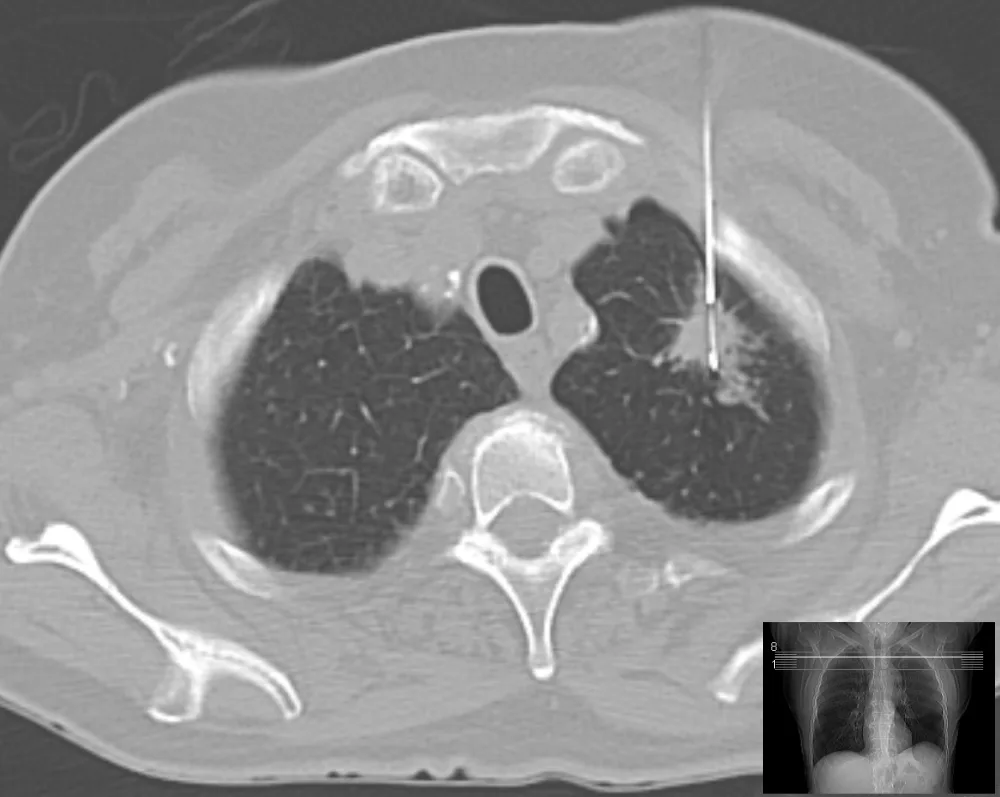
Why does a biopsy matter?
- 1
Confirming the diagnosis
Blood tests and imaging alone do not confirm cancer; in most cases a biopsy is needed [4].
- 2
Determining the type of tumour
The pathologist records the type and features of the tumour in the pathology report, which helps in choosing treatment [4].
- 3
Molecular testing
For example, in advanced non-small cell lung cancer, testing the tumour tissue for mutations such as EGFR and ALK makes targeted treatment possible [5].
When should I call my doctor?
Before a biopsy, share your worries with your doctor and ask: why is this biopsy needed? Which method has been chosen and why? How will the result affect treatment?
After a biopsy, if you have a temperature of 38 °C or more, bleeding that does not stop, severe pain or shortness of breath, contact your doctor or treatment centre straight away.
Related questions
I have heard that if a tumour is "opened" and exposed to air, the cancer spreads; is that true?
No. Contact with air does not make a tumour grow faster or make cancer spread [1].
Related cancer types
References
8 referencesShow all references, 6 with a study cardClose the reference list
Numbers in the text, such as [1], refer to these sources. Sources with a “Study card” button are summarised in the site’s evidence library.
- 1
- 2Tumour seeding following percutaneous needle biopsy: The real story!
- 3Preoperative endoscopic ultrasound-guided fine needle aspiration does not impair survival of patients with resected pancreatic cancer
- 4
- 5Oncogene-addicted metastatic non-small-cell lung cancer: ESMO Clinical Practice Guideline for diagnosis, treatment and follow-up
- 6Needle track seeding following biopsy of liver lesions in the diagnosis of hepatocellular cancer: a systematic review and meta-analysis
- 7EASL Clinical Practice Guidelines on the management of hepatocellular carcinoma
- 8Risk of gastric or peritoneal recurrence, and long-term outcomes, following pancreatic cancer resection with preoperative endosonographically guided fine needle aspiration
This page is based on reputable scientific sources and was last updated on 28 October 2026. The content of this website is for educational and informational purposes only and does not replace consultation, diagnosis or treatment by a specialist physician. Consult your treating physician about any treatment decision.
Printed from the website; the full and up-to-date version: https://drdabiri.com/en/questions/does-biopsy-spread-cancer/