Key points
- Chemotherapy can lower the number of white blood cells (especially neutrophils), red blood cells and platelets, raising the risk of infection, anaemia and bleeding [1, 2, 3].
- A temperature of 38 °C or higher during chemotherapy is an emergency; infection at this time can be life-threatening [1]. The ASCO/IDSA guideline recommends starting antibiotics within an hour of arriving at the hospital [4].
- Call your doctor before taking paracetamol (acetaminophen), aspirin or ibuprofen for a fever; these medicines can hide the signs of a serious infection [1].
- Washing your hands often, keeping away from people who are ill and following food safety rules are the most important ways to prevent infection [1]; in a careful study, a "cooked food only" (neutropenic) diet did not prevent serious infections [10].
- With chemotherapy that gives at least one in 5 patients a fever with low white cells, a preventive injection of a white cell growth factor (such as filgrastim) is recommended [7].
Why do blood counts fall?
Blood cells are made in the bone marrow and, because they divide quickly, they are sensitive to chemotherapy. Cancers that involve the bone marrow and radiotherapy can also lower blood counts [1, 2]. In each chemotherapy cycle there are times when the number of neutrophils is especially low and the risk of infection is higher; that is why regular blood tests are done [1].
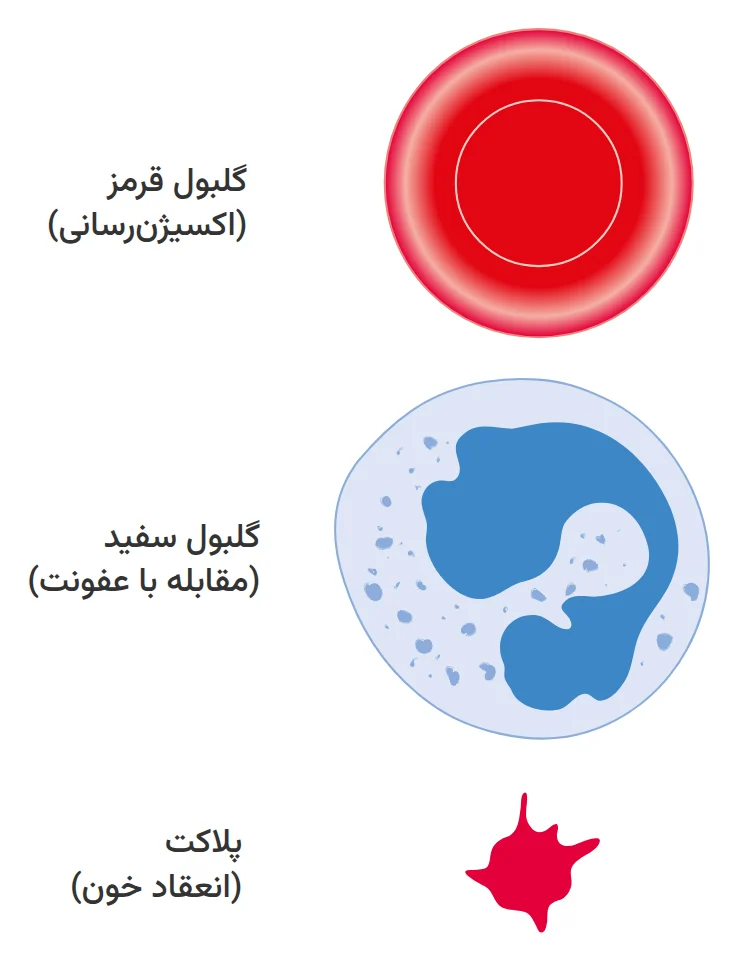
| Symptoms | Condition | What to do |
|---|---|---|
| Fever, shivering, cough, sore throat, diarrhoea, burning when passing urine, redness around a catheter; often no symptoms until an infection starts [1] | Neutropenia (low neutrophils, the white cells that fight infection) | Prevent infection and get help at once if you have a fever [1] |
| Severe tiredness, breathlessness, light-headedness, dizziness or fainting, headache, a racing heart, pale skin [2] | Anaemia (low red blood cells) | Save your energy, balance rest and activity, eat well; sometimes iron, medicines or a blood transfusion [2] |
| Bruising easily, heavy bleeding, tiny red or purple spots on the skin [3] | Thrombocytopenia (low platelets, the cells that help blood clot) | Avoid aspirin and ibuprofen unless your doctor says otherwise, watch for bleeding [3] |
What helps?
Preventing infection in everyday life
Washing your hands
Wash your hands often and well with warm water and soap, especially before eating, and ask the people around you to wash their hands too [1].
Extra cleanliness
If you have a catheter or port, keep the area around it clean and dry. Clean your teeth well and check your mouth for sores every day. Clean any scratch or cut well, and tell your doctor if the area around your bottom is sore or bleeding [1].
Keeping away from germs
Keep away from people who are ill or have a cold, and from crowds. Avoid close contact with anyone who has recently had a live vaccine (such as chickenpox or measles) [1].
Food safety
Vaccines
Go over your vaccinations with your care team; timely vaccination is part of cancer care, and vaccinating family members also protects the patient [11]. Do not have live vaccines without your oncologist's advice.
Sleep and nutrition
Stress, poor nutrition and lack of sleep weaken the immune system [1]; make rest and enough food a priority.
If your platelets or red cells are low
- Use a very soft toothbrush, wear shoes even at home, use an electric razor instead of a blade and take care with sharp objects [3].
- Do not take medicines containing aspirin or ibuprofen without advice, and avoid alcohol if advised [3].
- If bleeding starts, press firmly with a clean cloth until it stops; put ice on a bruise [3].
- With anaemia, put important tasks first, accept help from others, and balance short naps with a light walk every day [2].
What can your doctor do?
Show detailsHide
- White cell growth factors (such as filgrastim and pegfilgrastim): giving them as prevention lowers the risk of fever with neutropenia and of death from infection; bone and muscle pain is a common side effect [8].
- Preventive antibiotics or antifungals for patients expected to have very deep and prolonged neutropenia [9].
- Blood or platelet transfusion, iron or other medicines for anaemia and low platelets, depending on the cause and symptoms [2].
For physicians
Guideline summary for physicians
- Definition of febrile neutropenia (IDSA): a single oral temperature ≥38.3 °C or ≥38.0 °C sustained over an hour, with an ANC below 500/µL or an ANC expected to fall below 500 within 48 hours. All patients with febrile neutropenia should be treated promptly with broad gram-positive and gram-negative cover; risk stratification is the starting point of management [5].
- ASCO/IDSA 2018 (outpatient management): the first dose of empirical antibiotic within an hour of triage and observation for at least 4 hours before discharge. To select outpatients, use clinical judgement or a validated tool such as the MASCC risk score. Empirical outpatient treatment: an oral fluoroquinolone plus amoxicillin/clavulanate (or clindamycin in penicillin allergy), unless fluoroquinolone prophylaxis was taken before the fever. If the fever does not settle after 2 to 3 days, reassess and consider admission [4]. ESMO also recommends a risk-based approach [6].
- Prophylaxis (ASCO/IDSA 2018): antibacterial and antifungal prophylaxis at high risk, including deep and prolonged neutropenia (fewer than 100 neutrophils/µL for more than 7 days); antiviral prophylaxis with a nucleoside analogue for HSV-positive patients in allogeneic transplant or leukaemia induction; pneumocystis prophylaxis with regimens carrying a risk above 3.5% (for example ≥20 mg prednisone equivalent daily for ≥1 month); an antiviral (entecavir or tenofovir) at high risk of hepatitis B reactivation [9].
- Growth factors (ASCO 2015): primary prophylaxis when the risk of febrile neutropenia is about 20% or more and there is no equally effective regimen that does not need CSF, or in high-risk patients based on age, medical history, disease features and the myelotoxicity of the regimen [7]. In a systematic review of 17 randomised trials, primary G-CSF prophylaxis reduced the risk of febrile neutropenia by 46%, infection-related death by 45% and early death during chemotherapy by 40% [8].
- Neutropenic diet: in a randomised trial of 153 patients with AML in isolation rooms, serious infection occurred in 29% with cooked food versus 35% with fresh fruit and vegetables (P=0.60) [10].
- Vaccination (ASCO 2024): record vaccination status at the first visit, give recommended vaccines on time, revaccinate after transplant, CAR-T or B-cell-depleting treatments, and vaccinate household contacts [11].
Myths and facts
| Common belief | Fact |
|---|---|
| During chemotherapy you must not eat any fresh fruit or vegetables. | A "cooked only" diet did not reduce serious infection in a careful study [10]; washing fruit and vegetables thoroughly or peeling them and following food safety rules is recommended [1]. |
| A mild fever can be managed at home with fever tablets. | A temperature of 38 °C or higher during chemotherapy needs urgent assessment, and fever tablets can hide the signs of infection [1, 4]. |
| When I feel well, my blood counts must be normal too. | Low neutrophils usually cause no symptoms and only show up on a blood test [1]. |
| People with cancer should not have vaccines. | Timely vaccination is a key part of care; only the type and timing of vaccines (especially live vaccines) need to be agreed with your oncologist [11]. |
When should I call my doctor?
Call your care team straight away or go to the emergency department if:
- You have a temperature of 38 °C or higher; during chemotherapy this is an emergency, even if you feel well [1, 4].
- You have shivering, a cough or sore throat, diarrhoea, ear or sinus pain, a headache or stiff neck, a skin rash, sores or white patches in the mouth, redness or swelling where a catheter goes in, or bloody, cloudy or painful urine [1].
- Bleeding that does not stop after a few minutes; bleeding from the mouth or nose or with vomiting; red or pink urine; black or bloody stools; unusual vaginal bleeding [3].
- A severe headache, changes in vision, confusion or severe drowsiness [3].
- Breathlessness, a racing heart, or dizziness and fainting [2].
Call your doctor before taking any fever medicine [1].
Frequently asked questions
Do I have to stay at home and not see anyone?
You do not need to isolate yourself. What matters is keeping away from people who are ill and from crowds, and keeping your hands clean [1].
Why do I have a blood test before every cycle?
What is filgrastim and when is it given?
It is a growth factor that stimulates the bone marrow to make neutrophils, and it is given with high-risk regimens to prevent fever with neutropenia [7, 8]. More on the filgrastim drug page.
References
12 referencesShow all references, 8 with a study cardClose the reference list
Numbers in the text, such as [1], refer to these sources. Sources with a “Study card” button are summarised in the site’s evidence library.
- 1
- 2
- 3
- 4
- 5Clinical Practice Guideline for the Use of Antimicrobial Agents in Neutropenic Patients with Cancer: 2010 Update by the Infectious Diseases Society of America
- 6Management of febrile neutropaenia: ESMO Clinical Practice Guidelines
- 7
- 8
- 9Antimicrobial Prophylaxis for Adult Patients With Cancer-Related Immunosuppression: ASCO and IDSA Clinical Practice Guideline Update
- 10
- 11
- 12Nutrition During Cancer Treatment
This page is based on reputable scientific sources and was last updated on 28 October 2026. The content of this website is for educational and informational purposes only and does not replace consultation, diagnosis or treatment by a specialist physician. Consult your treating physician about any treatment decision.
Printed from the website; the full and up-to-date version: https://drdabiri.com/en/guides/low-blood-counts-infection/