Key points
- In some tumours the DNA repair system is broken (this is called dMMR); these tumours respond very well to immunotherapy [1].
- In rectal cancer with this feature, 6 months of an immunotherapy drug destroyed the tumour in all of the first 12 patients, without chemotherapy, radiotherapy or surgery [2].
- In a larger report too, all 49 rectal cancer patients who completed treatment had a complete response and did not have surgery [3].
- In bowel cancer with this feature, immunotherapy before surgery destroyed the tumour completely in about 7 in 10 patients, and no relapse was seen for up to 3 years [4, 5].
- This approach still needs longer follow-up and should only be done in experienced centres with regular check-ups [8]. Ask your doctor whether your tumour has been tested for MMR.
- Overall survival: how long patients lived.
- Progression-free survival: how long the disease did not get worse.
- Disease-free or event-free survival: how long the disease did not come back after treatment.
- Median: the number that half of patients were above and half below; for example, "a median of 10 months" means that in half of patients the disease stayed under control for at least 10 months.
- Phase 3: a large, careful study comparing a new drug with the usual treatment; the basis of most approvals.
Talk to your doctor about what this result means for you.
What problem does this solve?
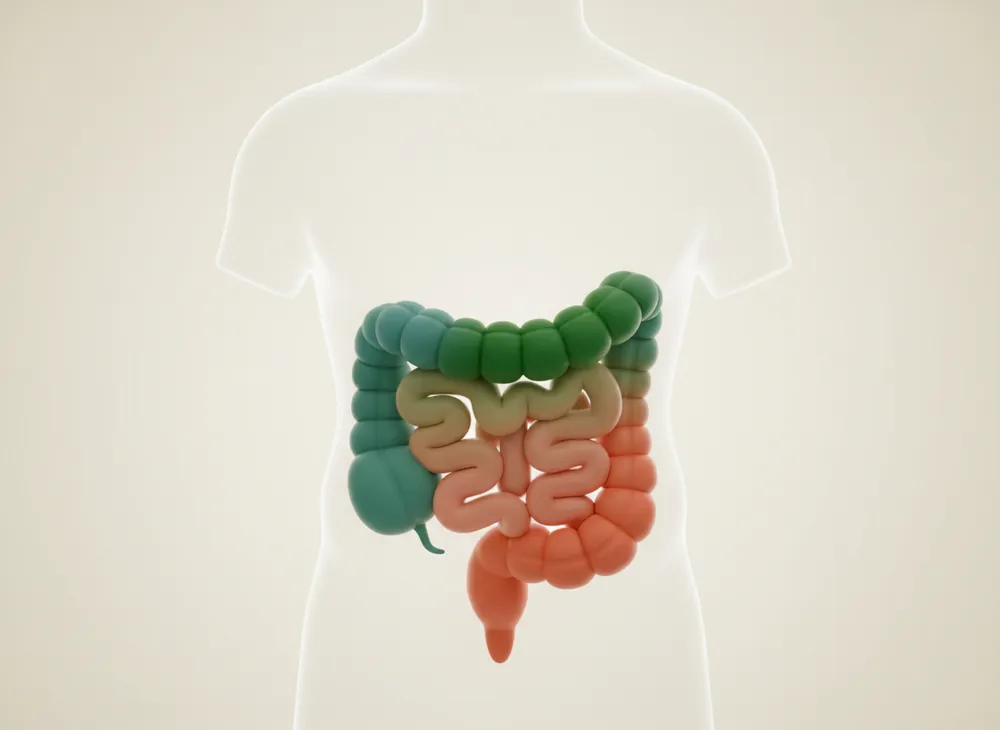
The standard treatment for locally advanced rectal cancer includes chemotherapy and radiotherapy before the operation and then surgery to remove the rectum [2]. Although effective, these treatments can have significant, lasting effects on patients' quality of life [7]. An important aim of recent research is to find a way to achieve organ preservation and avoid these effects without risking the chance of cure.
A group of bowel cancers and some other tumours have a special feature because of a defect in the DNA mismatch repair system (mismatch repair deficiency, or dMMR), also known as high microsatellite instability (MSI-H). For example, 10 to 15 percent of patients with non-metastatic colon cancer are dMMR, and chemotherapy has limited effect in them [4].
Why do dMMR tumours respond to immunotherapy?
From a DNA repair defect to an immune response
- 1
A defect in DNA repair
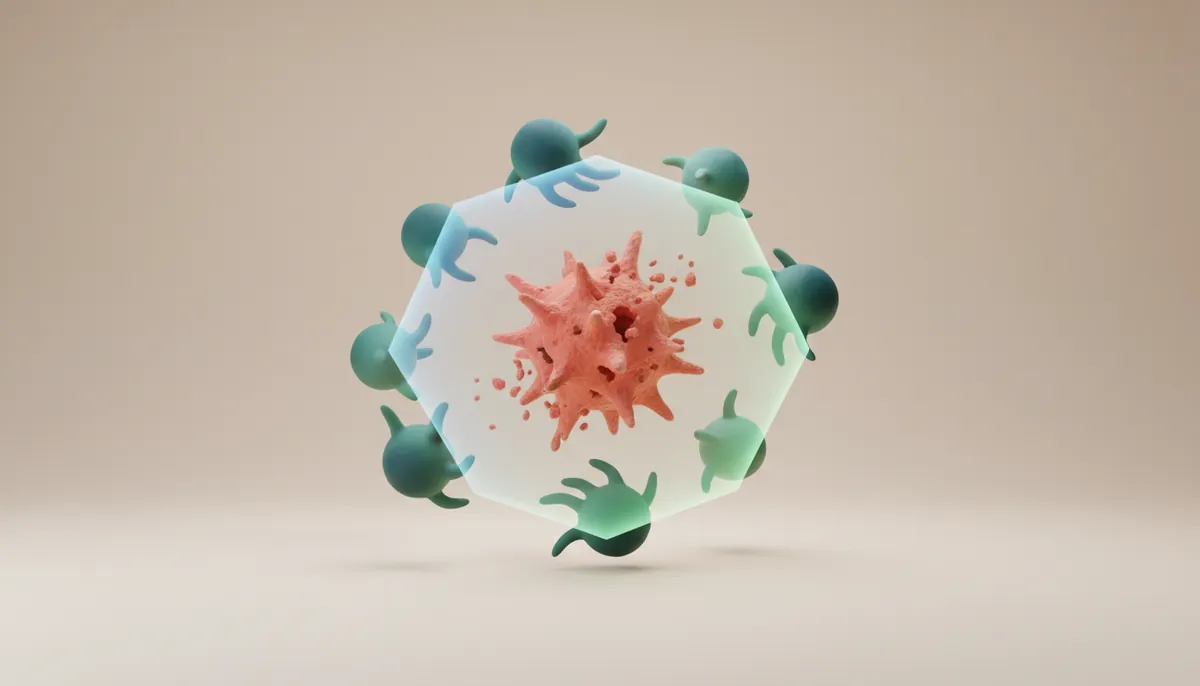
When the DNA mismatch repair system does not work, DNA copying errors are not corrected and the tumour acquires a very large number of mutations [1].
- 2
Many neoantigens are made
These mutations make many abnormal proteins and neoantigens that make the tumour "visible" to the immune system [1].
- 3
Releasing the immune brake
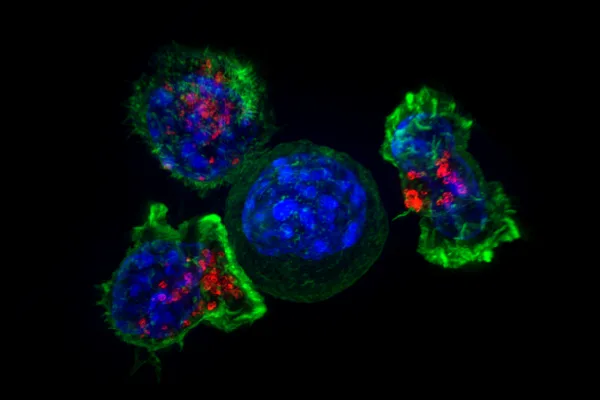
PD-1 inhibitor drugs such as dostarlimab release the brake on T cells so they can recognise and destroy cancer cells; in advanced dMMR disease across 12 different tumour types, the tumour shrank in about half of patients [1].
- 4
Assessing the response and deciding
After treatment, the tumour response is assessed with a digital rectal examination, endoscopy, pelvic MRI and, if needed, a biopsy; with a complete response, the patient can be closely followed instead of having surgery (the "watch and wait" approach) [8].
What did the studies show?
For physicians
Dostarlimab in rectal cancer (Cercek and colleagues, 2022)
In this phase 2 study, patients with dMMR stage II or III rectal adenocarcinoma received dostarlimab every three weeks for six months. Chemoradiotherapy and surgery were to follow unless a clinical complete response occurred. All of the first 12 patients (100%) had a clinical complete response, and at the time of the report none had needed chemoradiotherapy or surgery. No progression or relapse was seen during 6 to 25 months of follow-up, and no grade 3 or higher adverse events were reported [2].
Extension to all early-stage dMMR tumours (Cercek and colleagues, 2025)
As this study continued, 117 patients with stage I to III dMMR solid tumours were studied. In the rectal group, all 49 patients who completed treatment had a clinical complete response and chose non-surgical management. In the non-rectal tumour group, 35 of 54 patients had a clinical complete response. Overall, of the 103 patients who completed treatment, 82 did not have surgery, and 2-year recurrence-free survival across all patients was 92% [3].
Colon cancer: the NICHE-2 trial
In this phase 2 study, patients with locally advanced dMMR colon cancer received nivolumab plus ipilimumab before surgery. Of 115 patients, 113 (98%) had surgery without delay. In 111 evaluable patients, a pathological response was seen in 98%, a major pathological response in 95% and a pathological complete response (no viable tumour cells) in 68% [4]. Three-year disease-free survival was reported as 100% [5]. In this study all patients had surgery; so its aim was not to omit surgery.
Immunotherapy after surgery in colon cancer: the ATOMIC trial
In the phase 3 ATOMIC trial in 712 patients with dMMR stage III colon cancer, adding atezolizumab to mFOLFOX6 chemotherapy after surgery increased three-year disease-free survival from 76.2% to 86.3% [6].
If you have rectal or colon cancer, ask your doctor whether your tumour's MMR/MSI status has been checked. For dMMR patients, immunotherapy may make it possible to avoid surgery, radiotherapy and chemotherapy [2, 3]. However, this approach needs regular, careful follow-up (examination, endoscopy and MRI) and should be done in experienced multidisciplinary centres [8]. It does not apply to tumours without dMMR, which make up most bowel cancers [4].
Limitations and open questions
- The studies are still small and have not compared this approach with surgery [2, 3, 4].
- Follow-up is short: patients have typically been followed for less than two years, and we do not yet know whether the result lasts for years [3].
- Making sure the tumour is completely gone is hard and needs several kinds of regular checks [8].
- Not all patients respond the same: in cancers other than rectal cancer, the tumour disappeared completely in about two in every 3 patients [3].
- It is not yet routine: in colon cancer it cannot yet be recommended instead of usual treatment [9].
For physicians
- Small, single-arm studies: the main evidence comes from phase 2 studies without a control group [2, 3, 4].
- Limited follow-up: median follow-up for relapse in the dostarlimab study was 20 months, and the long-term durability of responses still needs confirmation [3].
- Defining complete response: the definition of a sustained clinical complete response after immunotherapy carries uncertainty and needs a standardised multimodal assessment [8].
- Not all dMMR tumours respond the same: in non-rectal tumours, about two thirds of patients had a clinical complete response [3].
- Clinical recommendations: it is still hard to give definitive recommendations on the place of preoperative immunotherapy in dMMR colon cancer in routine practice [9].
Outlook
The findings of these studies show that in a defined group of patients, immunotherapy can replace heavy multimodal treatment [3, 7]. At the same time, the ATOMIC results showed that immunotherapy is also beneficial as adjuvant treatment after surgery for dMMR colon cancer [6]. Future questions include the best length of treatment, standard methods of assessing response, the role of ctDNA in follow-up and extending organ preservation to other dMMR tumours [3, 8].
Trial details and safety (for physicians)
Show detailsHide
| Study | Phase | Patient population | Main result |
|---|---|---|---|
| Cercek 2022 [2] | 2 | 12 patients with dMMR stage II–III rectal cancer | Clinical complete response 100% (95% confidence interval 74 to 100); no chemoradiotherapy or surgery |
| Cercek 2025 [3] | 2 | 117 patients with dMMR stage I–III solid tumours | Rectal: 49 of 49 clinical complete responses; 2-year recurrence-free survival overall 92% |
| NICHE-2 [4, 5] | 2 | 115 patients with locally advanced dMMR colon cancer | Pathological complete response 68%; 3-year disease-free survival 100% |
| ATOMIC [6] | 3 | 712 patients with dMMR stage III colon cancer after surgery | 3-year disease-free survival 86.3% versus 76.2% (hazard ratio 0.50) |
The dostarlimab and NICHE-2 studies are single-arm with no randomised control group.
- In the Cercek 2025 study, 95% of patients had either no adverse events (35%) or reversible grade 1 to 2 events (60%), and no patient lost the option of curative surgery [3].
- In NICHE-2, grade 3 or 4 immune-related adverse events occurred in 5 patients (4%), and no patient stopped treatment because of adverse events [4].
- In a systematic review of 19 studies and 504 patients with MSI-H/dMMR rectal cancer, PD-1 inhibitor monotherapy was associated with a clinical complete response of 75 to 100 percent; combination regimens were more toxic, and adding chemoradiotherapy gave little benefit [7].
- Criteria for non-surgical assessment of response in colon cancer have not yet been validated, and ctDNA alone is not a sufficient tool for local decisions [8].
- The choice between immunotherapy before or after surgery in dMMR colon cancer is based on the patient's clinical status, tumour features on CT and treatment goals [9].
Regimens and doses (for physicians)
Show detailsHide
Treatment regimens and doses: index3 regimens
Regimens from the key studies
Single-agent dostarlimab (Cercek)
dMMR/MSI-H stage II or III rectal adenocarcinoma (and stage I to III dMMR solid tumours); investigational — this use is not in the dostarlimab FDA labelCycle length: Every 21 days
dMMR/MSI-H stage II or III rectal adenocarcinoma (and stage I to III dMMR solid tumours); investigational — this use is not in the dostarlimab FDA label
Before prescribing: Shared safety points| Drug | Dose | Route | Schedule |
|---|---|---|---|
| Dostarlimab | 500 mg | IV infusion over 30 minutes | Every 3 weeks |
As in the registered trial protocol [10, 2, 3]. Only in experienced centres with regular surveillance (digital rectal examination, endoscopy, pelvic MRI) [8].
Evidence: Organ preservation after neoadjuvant immunotherapy in mismatch repair-deficient colorectal cancer: response assessment, watch-and-wait, and salvage surgery (2026), MSK Dostarlimab (Cercek 2025) (2025), MSK Dostarlimab (Cercek 2022) (2022)
Nivolumab + ipilimumab before surgery (NICHE-2)
Locally advanced non-metastatic dMMR colon cancer; investigational
Locally advanced non-metastatic dMMR colon cancer; investigational
Before prescribing: Shared safety points| Drug | Dose | Route | Schedule |
|---|---|---|---|
| Ipilimumab | 1 mg/kg | IV | Day 1 |
| Nivolumab | 3 mg/kg | IV | Days 1 and 15 |
Evidence: NICHE-2 (2024)
Adjuvant atezolizumab + mFOLFOX6 (ATOMIC)
dMMR stage III colon cancer after complete resection; FDA-approvedCycle length: Every 14 days
dMMR stage III colon cancer after complete resection; FDA-approved
Before prescribing: Shared safety points| Drug | Dose | Route | Schedule |
|---|---|---|---|
| First 6 months | |||
| Atezolizumab | 840 mg (or 1200 every 3 weeks or 1680 every 4 weeks) | IV infusion over 60 minutes, then over 30 minutes if tolerated; before chemotherapy | Every 2 weeks |
| First 6 months (12 cycles) | |||
| mFOLFOX6: oxaliplatin + leucovorin | 85 mg/m² + 400 mg/m² | IV | Day 1 |
| Fluorouracil | 400 mg/m² bolus, then 2400 mg/m² | Bolus, then continuous infusion over 46 hours | Days 1 to 3 |
| Second 6 months | |||
| Single-agent atezolizumab | 840 mg | IV | Every 2 weeks (13 cycles) |
Doses from the atezolizumab FDA label [12, 6]. Dose reduction of atezolizumab is not recommended; immune-related adverse events are managed by holding or stopping and corticosteroids [12].
Evidence: ATOMIC (Alliance A021502) (2026)
Doses follow the trial protocol, guideline or official drug label (source given in the notes of each regimen). Before prescribing, check blood counts, renal and hepatic function, drug interactions and the patient’s condition, and adjust the dose according to the drug label.
Frequently asked questions
How do I find out whether my tumour is dMMR?
Does immunotherapy work for all rectal cancers?
What happens if I do not have surgery and the cancer comes back?
What are the side effects of this treatment?
Is this treatment standard now?
The evidence is very promising, but recent reviews stress that omitting surgery should still be done only in experienced centres, with careful molecular confirmation, standard assessment and reliable follow-up [8]. Talk to your care team about your options.
Scientific evidence
Show detailsHide
Related studies
4 itemsAtezolizumab plus FOLFOX for Stage III Mismatch Repair-Deficient Colon Cancer
Nonoperative Management of Mismatch Repair-Deficient Tumors
Neoadjuvant Immunotherapy in Locally Advanced Mismatch Repair-Deficient Colon Cancer
PD-1 Blockade in Mismatch Repair-Deficient, Locally Advanced Rectal Cancer
References
12 referencesShow all references, 8 with a study cardClose the reference list
Numbers in the text, such as [1], refer to these sources. Sources with a “Study card” button are summarised in the site’s evidence library.
- 1
- 2
- 3
- 4
- 5
- 6
- 7
- 8
- 9
- 10Study of Induction PD-1 Blockade in Subjects With Locally Advanced Mismatch Repair Deficient Solid Tumors (NCT04165772)
- 11Neoadjuvant Immune Checkpoint Inhibition and Novel IO Combinations in Early-stage Colon Cancer (NICHE; NCT03026140)
- 12
This page is based on reputable scientific sources and was last updated on 28 October 2026. The content of this website is for educational and informational purposes only and does not replace consultation, diagnosis or treatment by a specialist physician. Consult your treating physician about any treatment decision.
Printed from the website; the full and up-to-date version: https://drdabiri.com/en/articles/immunotherapy-organ-preservation/